
Looking for a reliable HDPE jointing machine supplier in Turkmenistan? This guide explains why local contractors, municipal utilities, and oil & gas operators in Ashgabat and across Turkmenistan are choosing modern butt fusion and electrofusion equipment to meet growing pipeline and irrigation demands.
Why modern HDPE welding matters in Turkmenistan
Rapid infrastructure development — including water supply upgrades, agricultural irrigation networks, and energy-sector pipelines — requires strong, leak-free joints. HDPE welding methods such as butt fusion and electrofusion deliver durable, corrosion-resistant connections well suited to Turkmenistan’s arid climate and remote project sites. For local engineers and contractors, selecting the right equipment means higher productivity, lower rework, and longer asset life.
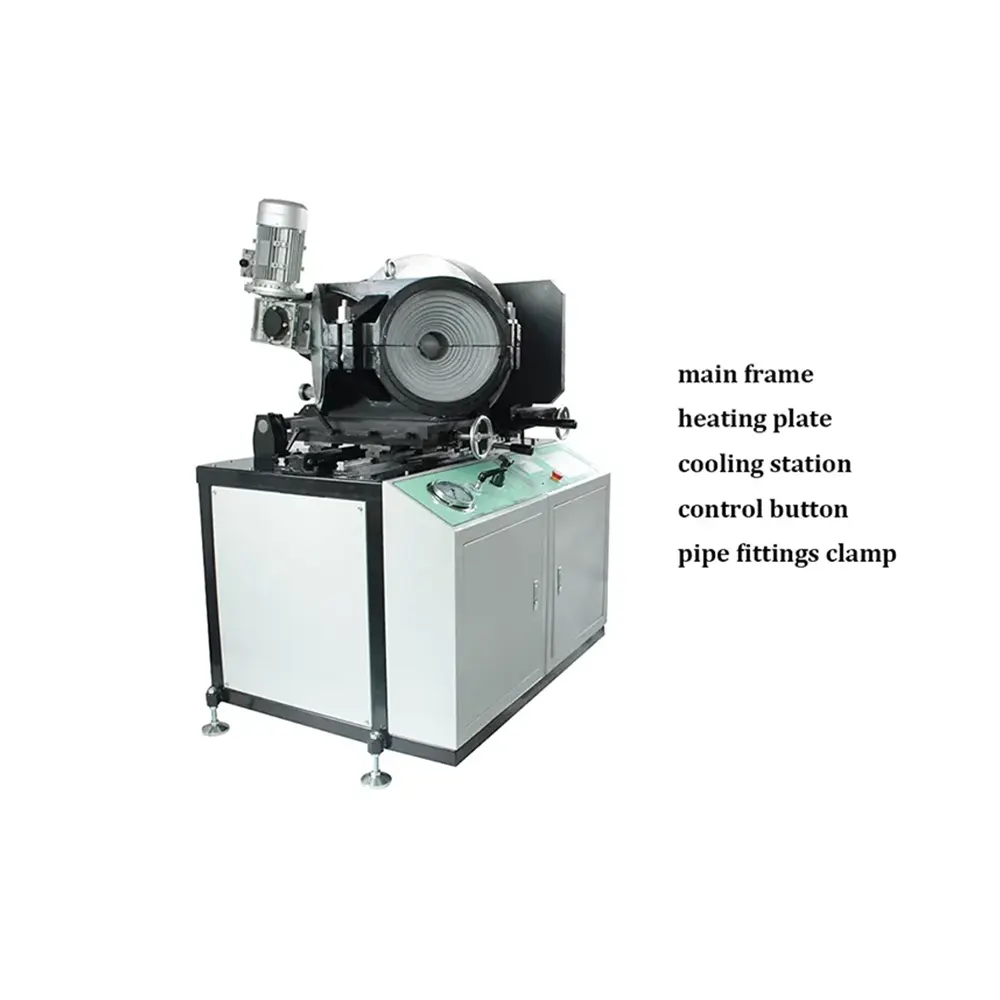
Key benefits of quality HDPE jointing machines
Reliable joints: Proper fusion delivers homogenous, pressure-rated connections ideal for potable water, gas distribution, and industrial piping.
On-site efficiency: Modern hydraulic and CNC automatic machines reduce manual labor and speed up long pipeline runs across desert terrains.
Adaptability: Machines that handle a wide diameter range support both small municipal works and large-diameter energy projects.
Popular machine types and when to use them
Below is a quick comparison to help Turkmen contractors decide:
| Machine Type | Typical Diameter Range | Best For |
|---|---|---|
| Manual Butt Fusion | 20–315 mm | Small distribution lines, repair work |
| Hydraulic Butt Fusion | 63–2000+ mm | Medium to large pipelines, field installation |
| CNC Automatic Butt Fusion | 63–1250 mm | High-volume production, consistent weld quality |
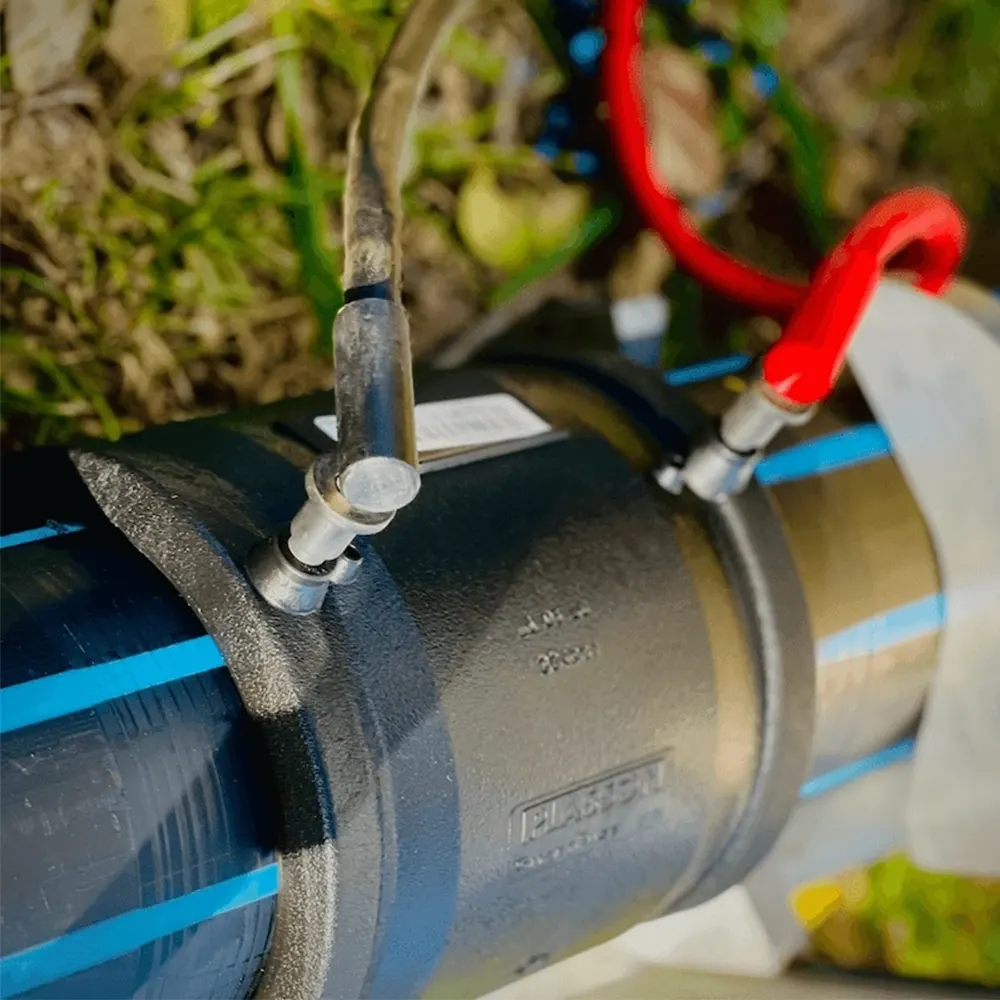
| Electrofusion Machines | 20–1100 mm (via fittings) | Trenchless repairs, complex fittings, gas networks |
Choosing the right supplier: features to prioritize
When sourcing HDPE jointing equipment in Turkmenistan, look for:
– Robust after-sales support and spare parts availability for remote sites;
– Machines proven in harsh climates and able to operate with variable power conditions;
– Training and documentation in English (or with on-site translation) so local crews can adopt best practices quickly;
– Flexibility to supply manual, hydraulic, and automatic systems depending on project scale.
Applications across Turkmenistan
Common uses include:
– Urban water distribution upgrades in Ashgabat and regional centers;
– Large-scale irrigation channels for cotton and grain production;
– Gas network expansion and service line repairs in industrial areas;
– Oil and petrochemical pipeline tie-ins where leak integrity is critical.
Technical support and training
Reliable suppliers provide hands-on training for local technicians, operational manuals, and diagnostic support. For Turkmen project teams, efficient commissioning and operator competency reduce downtime and ensure welds meet international standards for pressure and safety.
Quick procurement checklist
– Confirm diameter range and pipe SDR compatibility for your project.
– Verify power requirements and on-site logistics for large hydraulic or CNC units.
– Request references or case studies for similar projects in Central Asia or arid environments.
Where to start
If you need dependable HDPE jointing machines for projects in Turkmenistan, consider suppliers with a broad product line, technical documentation, and a proven track record across water, gas, and industrial pipelines. For example, JQ-Fusion offers a full range of manual, hydraulic, and CNC automatic butt fusion machines plus electrofusion systems suitable for diverse project scales—backed by manufacturing experience and global service capability.
Next step: prepare a short project brief — include pipe diameters, SDR, terrain conditions, and estimated daily weld length — then request machine recommendations and training options to match local deployment needs.



