
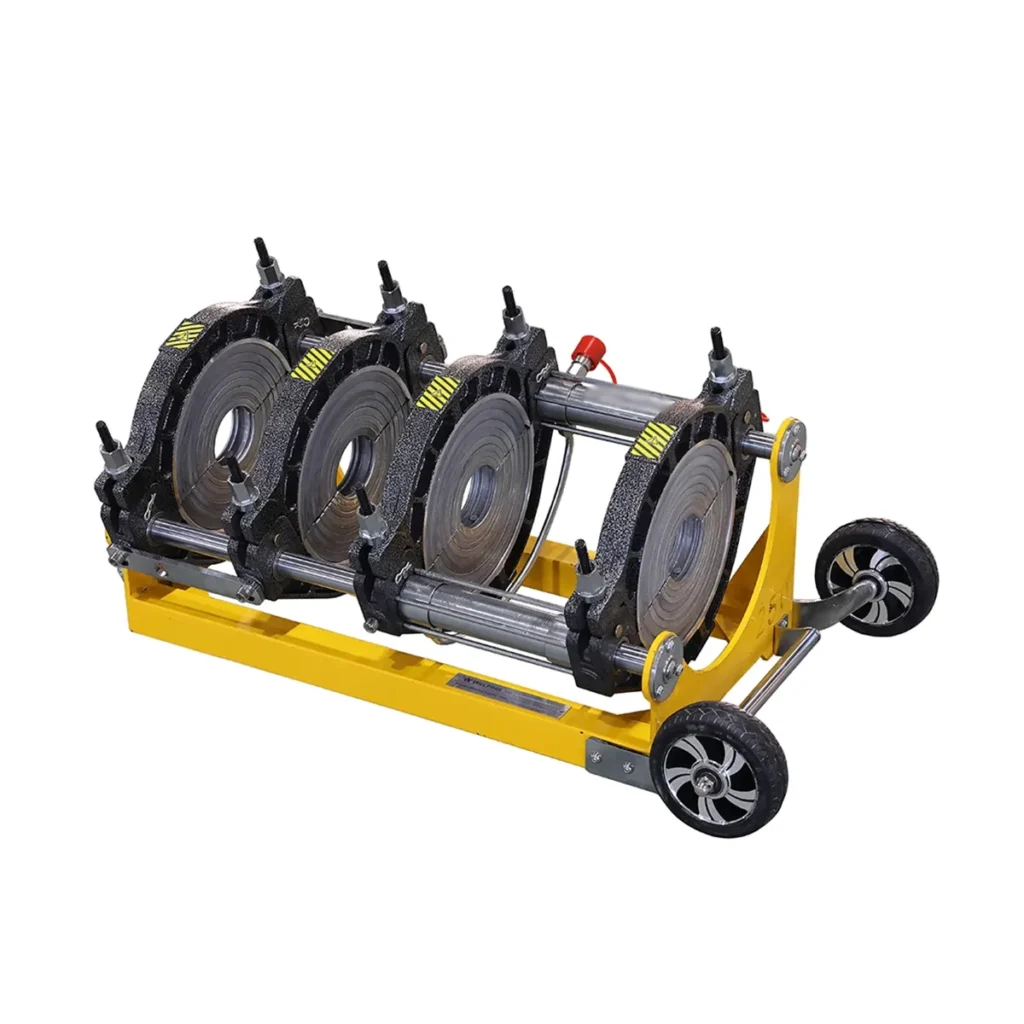
Looking for a reliable butt fusion welder supplier in Uganda? Whether you’re involved in municipal water distribution in Kampala, irrigation projects in the Nile Delta region, rural potable water installations, or gas distribution for industrial parks, selecting the right HDPE pipe welding equipment is critical for durable, leak-free pipeline infrastructure. This guide helps Ugandan contractors, engineers, and procurement teams find trusted suppliers and choose machines that match local needs and conditions.
Why Butt Fusion Welders Are Essential for Uganda
HDPE piping is widely used across Uganda for water, sanitation, irrigation, and industrial pipelines because of its corrosion resistance and long lifespan. Butt fusion welding provides continuous, homogeneous joints with strength comparable to the pipe itself—ideal for flood-prone areas and remote field works where maintenance is difficult. For government projects, NGOs, and private contractors, investing in the correct welding machine reduces rework and long-term operating costs.
Where to Source a Reliable Butt Fusion Supplier
Local distributors and service partners: Look for suppliers with local presence or authorized dealers in East Africa to ensure timely spare parts, field service, and training. Local partners also understand customs clearance and inland logistics across Uganda.
Direct from the manufacturer: Buying directly from an experienced HDPE welding machine maker can give you access to a wider model range, factory customization, and competitive EXW/CIF pricing. Consider manufacturers that provide documentation, QA reports, and shipping support.
Project references and certifications: Ask for project histories in similar climates and for certificates showing compliance with ISO or industry welding standards. Supplier references from other African projects are a good reliability indicator.
After-sales support & training: Choose a supplier who offers operator training, on-site commissioning, and a clear spare parts program to avoid long downtime during rainy seasons or peak construction periods.
Quick Supplier Checklist
| What to Ask | Why It Matters |
|---|---|
| Model types (manual / hydraulic / automatic) | Different projects require different levels of automation and pipe-size ranges. |
| Spare parts availability | Minimizes downtime for critical water and gas systems. |
| Training & commissioning | Ensures weld quality and operator safety on-site. |
| Warranty and local support | Protects your investment and reduces lifecycle costs. |
Technical Features to Consider for Ugandan Projects
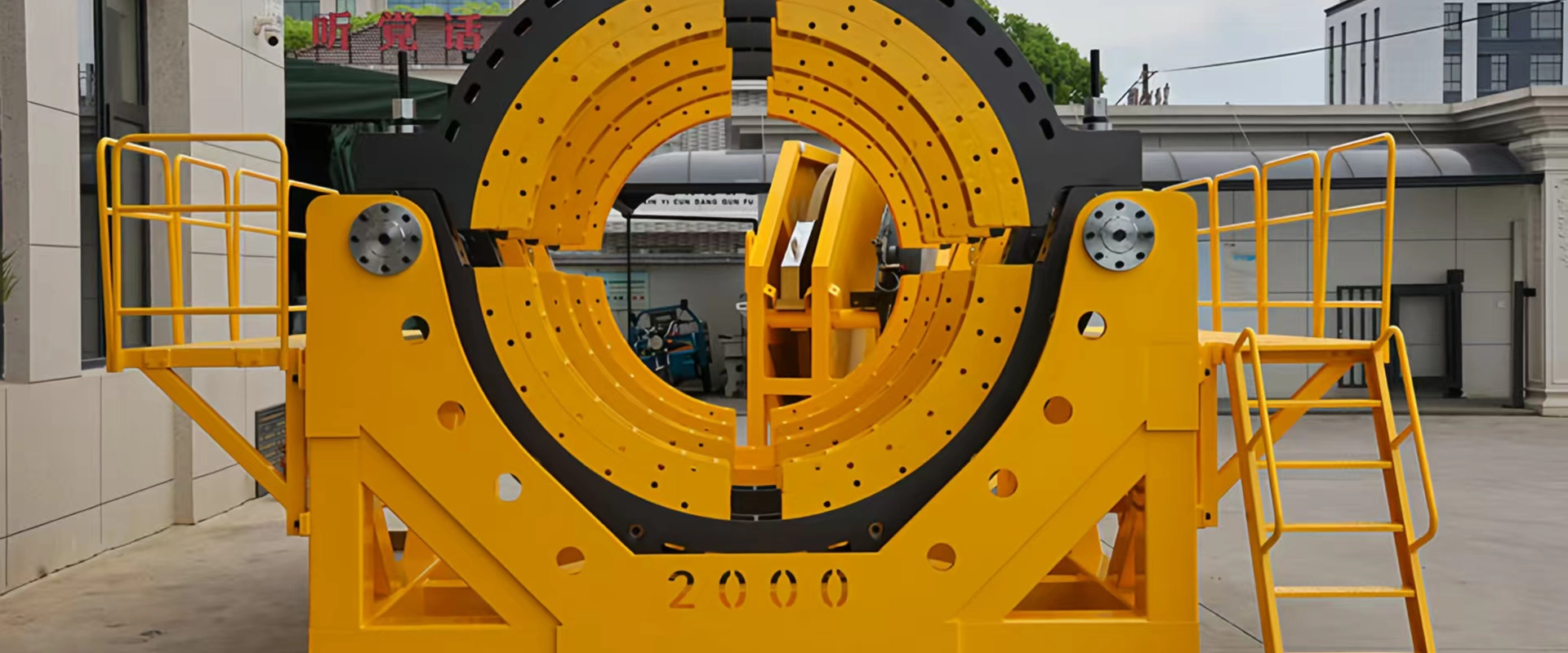
Pipe diameter range: Verify that the machine covers the HDPE sizes you use most—small urban distribution pipes (20–160 mm) to large irrigation mains (500 mm and above).
Heating plate quality and clamp system: A flat, durable heating plate and reliable clamps are vital for uniform melts, especially in humid or dusty field conditions.
Power and portability: For remote sites without stable power, choose machines that support diesel generators or have low-energy automatic modes and are easy to transport over rough roads.
Data logging and automation: Automatic machines with weld parameter recording help meet compliance for municipal contracts and allow traceability of welds.
Procurement Tips & After-Sales in Uganda
Factor in shipping times from the port (Mombasa or Dar es Salaam), customs clearance, and inland freight to major Ugandan hubs like Kampala, Jinja, or Gulu. Confirm the supplier’s plan for spare parts shipment and whether they can appoint a local technician or certified trainer for your team. For community water projects and NGOs, request a simple operator training package and a starter spare-parts kit.
Manufacturer to Consider
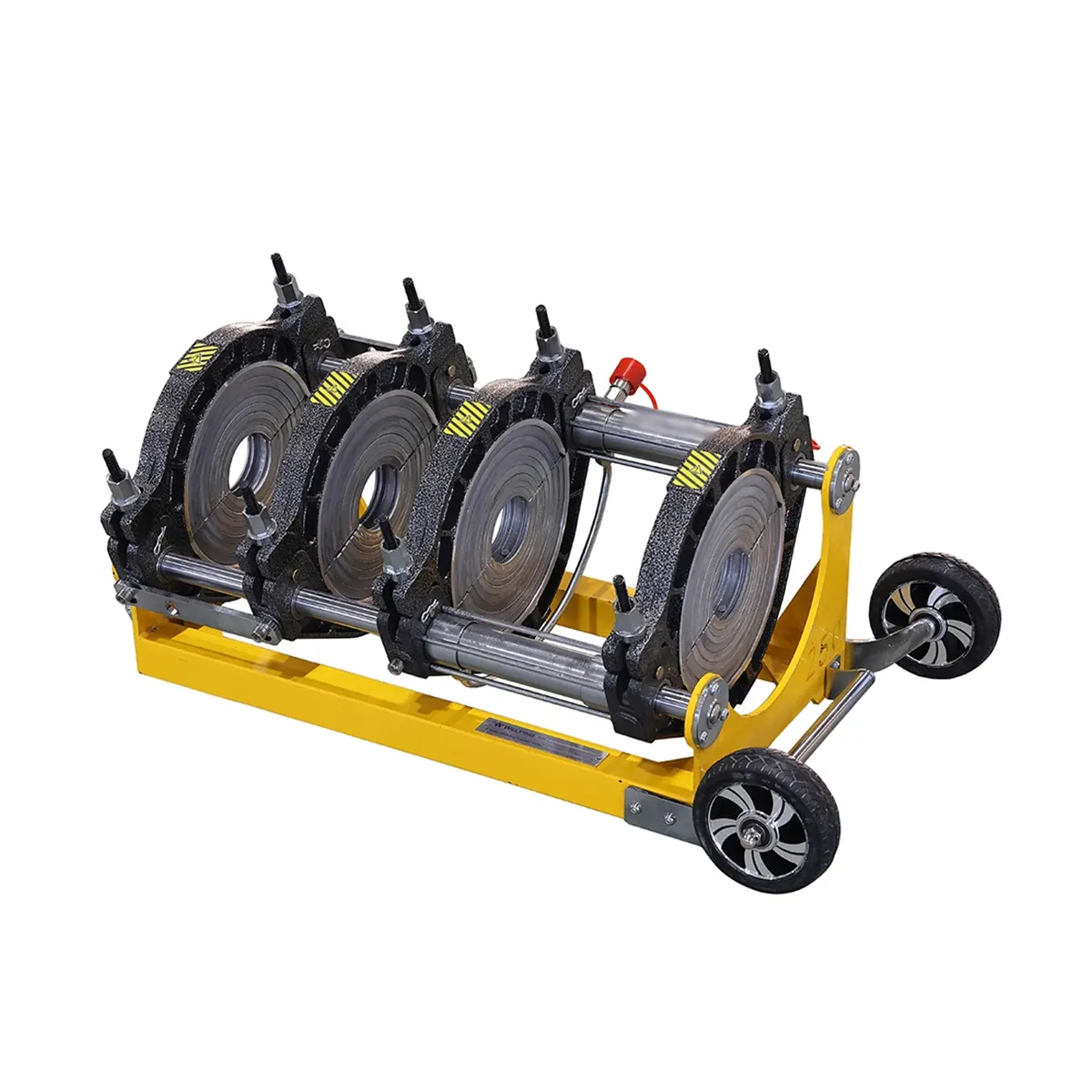
One option is JQ-Fusion, a professional manufacturer specializing in HDPE pipe welding machines, offering manual, hydraulic, and CNC automatic butt fusion machines across a wide diameter range, with factory support for customization and global projects.
Choosing the right supplier in Uganda comes down to matching technical needs, verifying references, and confirming robust after-sales support. With proper procurement and operator training, you can ensure long-lasting, leak-free pipelines that serve communities and industries across the country.



