
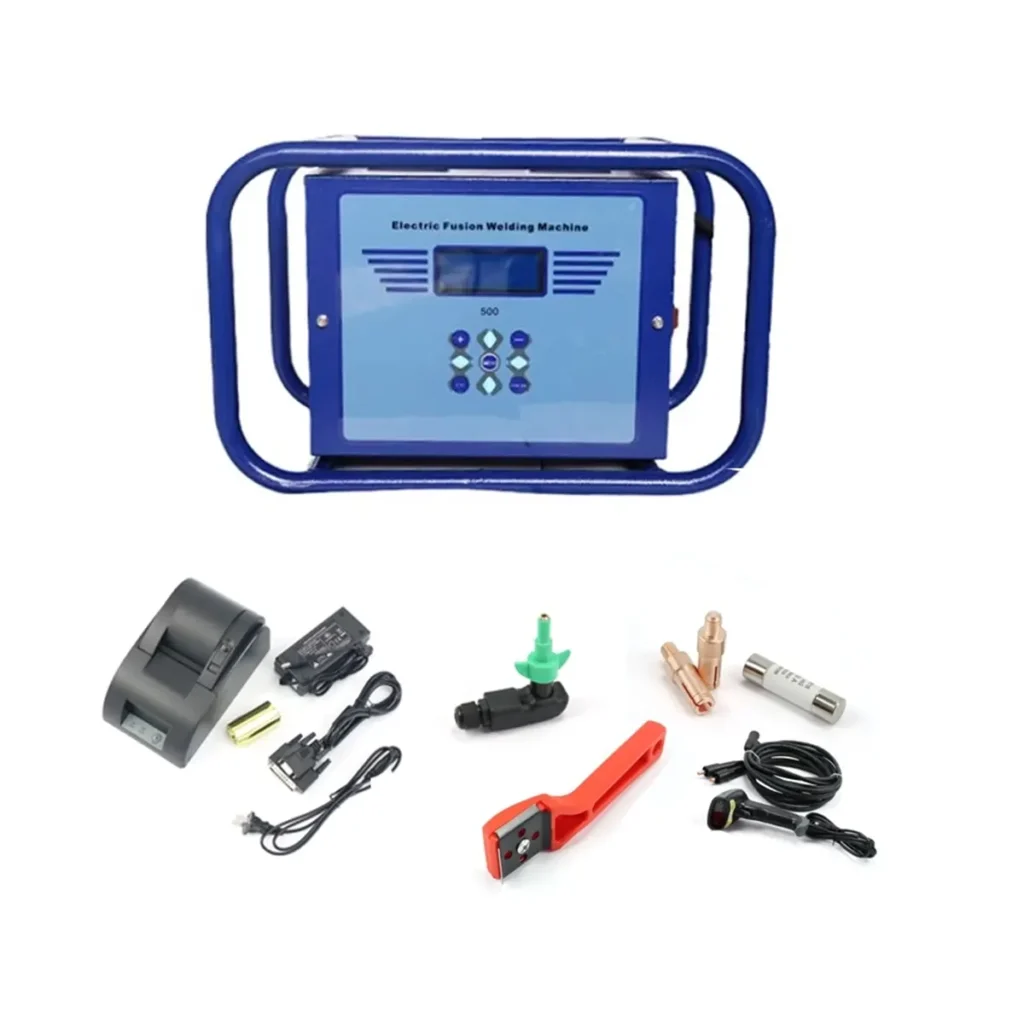
Australia’s pipeline projects demand reliable, weather-resistant tools for HDPE and MDPE joins — and electrofusion welders are a core part of that toolkit. From urban water networks in Sydney to remote mining operations in Western Australia, contractors and utilities need machines that deliver consistent joints, easy traceability, and compliance with local regulations. This guide explains what to look for when sourcing an electrofusion welder in Australia and how the right equipment improves productivity and long-term pipeline performance.
Why Electrofusion Welding Is Ideal for Australian Projects
Electrofusion welding offers clear advantages for installations across Australia’s varied climates and terrains: precise, heat-controlled fusion, minimal excavation for repair works, and strong performance for polyethylene pipes in corrosive or sandy soils. For councils, contractors, and mining engineers, the process reduces leak risk and eliminates many mechanical fittings that can fail under pressure cycles.
Key Benefits at a Glance
Consistency: automated current control ensures repeatable joints across batches. Portability: lightweight units and battery options let crews work in remote sites. Traceability: programmable units store weld logs for inspections and asset records.
What Australian Buyers Should Prioritize
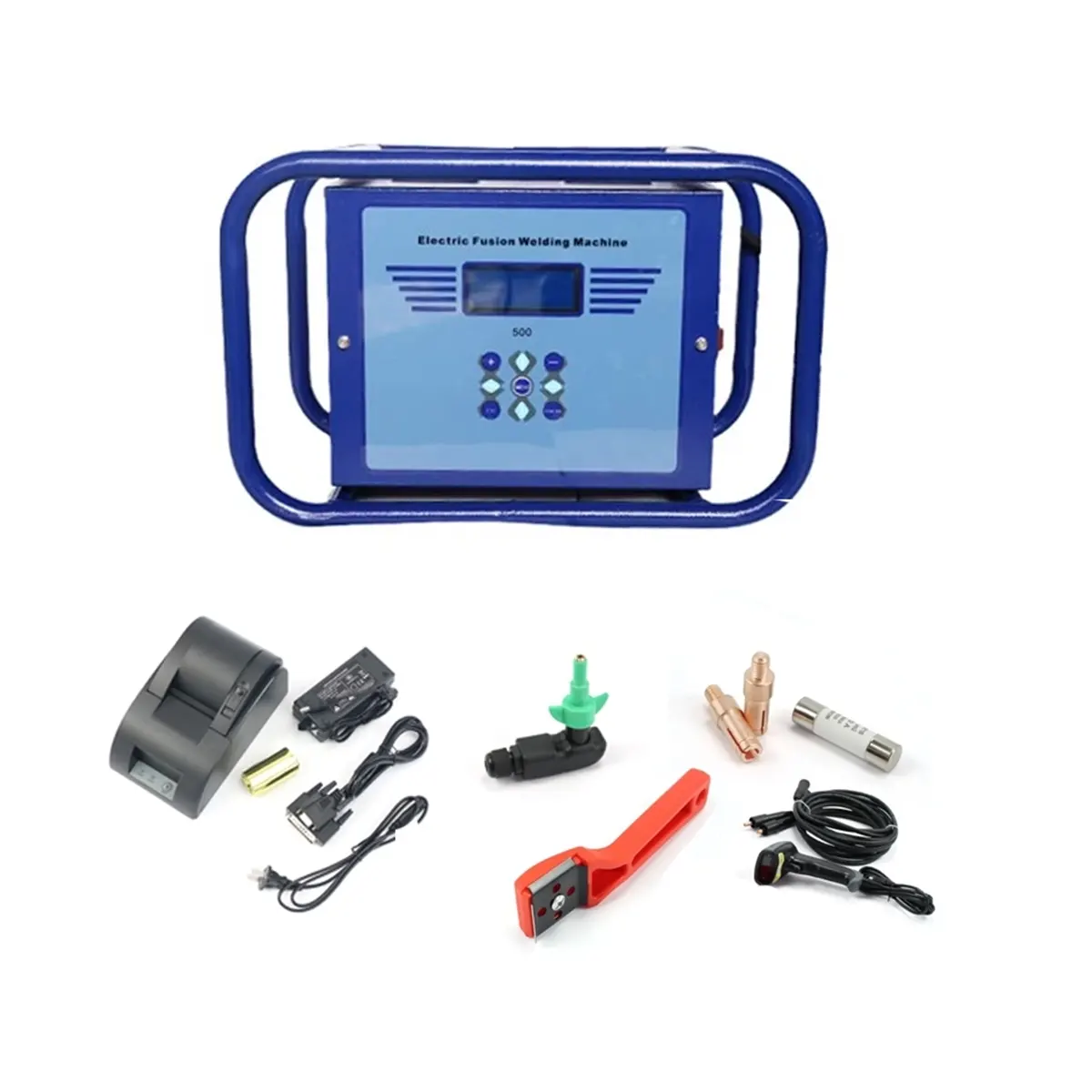
Procurement teams should evaluate machines by practical criteria tailored to local use-cases: reliable performance in high UV and dusty conditions, straightforward user interfaces for crews with mixed experience, and compatibility with Australian standards and common PE pipe grades. Warranty, spare part availability, and local technical support or training are also critical for minimizing downtime on large-scale projects.
Operational Features to Check
Voltage and Current Control: stable output avoids cold or overheated joints. Memory & Reporting: weld history export is essential for audits. Battery Life / Power Options: long-life batteries or DC inverters help in off-grid locations common in regional Australia.
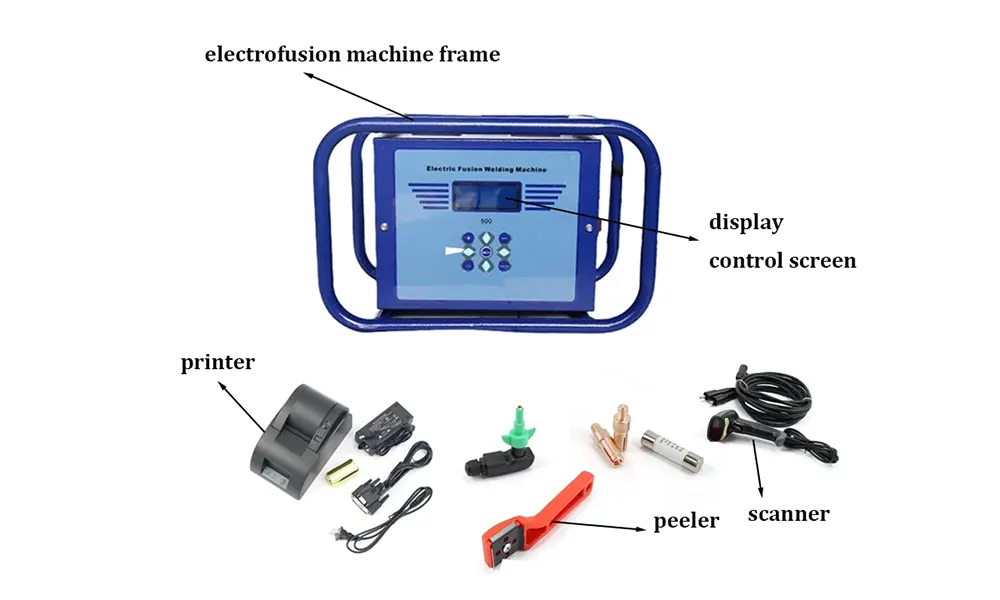
Model Comparison — Common Electrofusion Machine Specs
| Model | Pipe Range (mm) | Power | Portability | Traceability |
|---|---|---|---|---|
| Entry-Level Electrofusion | 20–160 | Battery / 240V | High | Basic |
| Mid-Range Control Unit | 63–315 | AC/DC | Medium | Full logs |
| Advanced Industrial Unit | 90–630+ | 3-Phase / DC | Low | Cloud export |
Choosing the Right Tier
Smaller municipal repairs typically favor entry-level or mid-range units for portability. Major pipeline contractors and mining operations often invest in advanced industrial units with detailed reporting and higher duty cycles to match heavy production schedules.
Maintenance, Training, and Compliance in Australia
To preserve joint integrity over decades, routine maintenance and operator training are non-negotiable. Look for vendors who provide on-site commissioning, operator certification, and clear documentation that aligns with Australian standards (AS/NZS) and local utility requirements. Regular calibration and verified weld records help pass audits and extend asset lifecycles.
Practical Tips for Field Teams
Store units out of direct sunlight between uses, keep connectors clean from dust and grit, and carry a basic calibration kit. When working in remote regions, plan for spare batteries and a backup power source to avoid project delays.
Where to Source Reliable Electrofusion Welders
For Australian buyers seeking robust options and factory-level support, explore manufacturers with a proven track record in HDPE welding equipment and global project experience. Visit the manufacturer’s site for product specifications and support contacts: JQ-Fusion
Final note: selecting the right electrofusion machine reduces rework, improves safety, and saves lifecycle costs — critical outcomes for Australia’s infrastructure, utilities, and resource sectors.



