
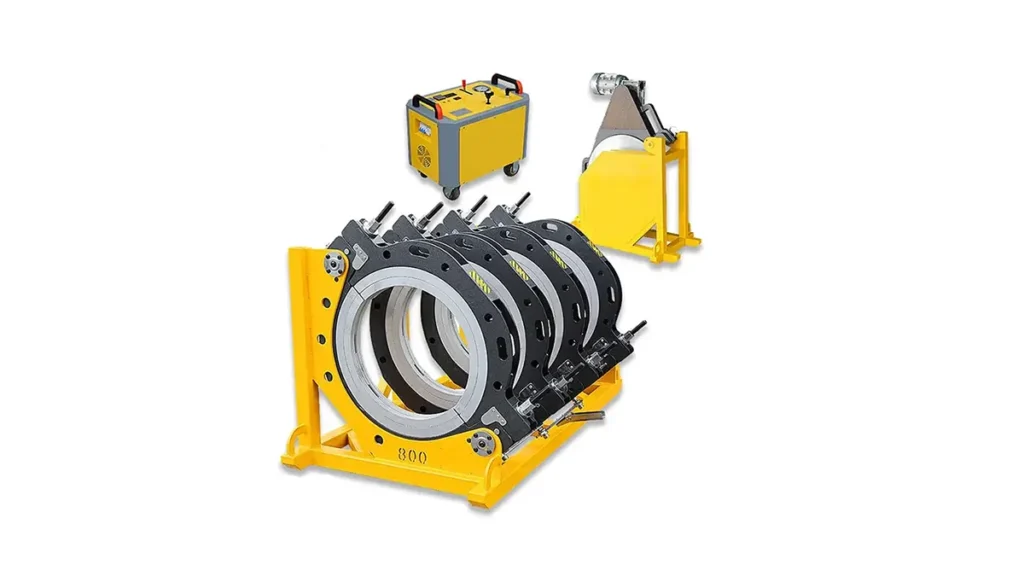
When people ask what factors affect the reliability of an HDPE welding machine, they are really asking a practical question that matters on every pipeline job: can the machine produce strong, repeatable, and safe joints under real working conditions? In water supply, gas distribution, mining, and industrial piping projects, a reliable welding machine is not a luxury—it is the difference between a durable pipeline and a costly failure. A machine may look similar on the outside, but its reliability depends on engineering quality, thermal stability, hydraulic performance, operator control, and long-term durability.
For contractors and distributors, reliability also affects productivity, project scheduling, and maintenance costs. A machine that performs well in a showroom but fails on-site is not reliable. That is why professional manufacturers such as JQ-Fusion focus on stable performance, strict inspection, and customized solutions for different project requirements. If you want to explore a proven butt fusion machine, it is important to understand the core technical and operational factors that influence real-world reliability.
1. Build Quality and Structural Design
The first factor affecting reliability is the machine’s physical construction. A well-built HDPE welding machine uses durable frame materials, precise machining, and stable clamping components. The machine must hold pipe sections firmly and maintain perfect alignment during heating, fusion, and cooling. If the structure is weak or poorly engineered, even a high-quality heating plate cannot compensate for instability in the frame.
Key point: reliability starts with the frame, clamps, and alignment system. If these parts are not rigid and accurately manufactured, welding quality becomes inconsistent.
In professional production, advanced machining and precision assembly help ensure that each moving part works smoothly. JQ-Fusion emphasizes modern manufacturing technology and strict quality control to improve long-term stability in demanding project environments.
2. Temperature Control Accuracy
HDPE welding relies on controlled heat. If the heating plate does not maintain the correct temperature, the pipe ends may overheat, underheat, or fuse unevenly. This can weaken the joint and increase the risk of leakage or breakage. Reliable machines must deliver stable heat across the entire plate surface and keep the temperature within a narrow tolerance range.
Temperature instability is one of the most common causes of poor fusion quality. Even small fluctuations can produce visible defects or hidden weak points inside the weld seam.
This is why temperature accuracy testing is essential before delivery. Machines tested for heating consistency are more likely to perform reliably in outdoor environments, on remote job sites, and under continuous production use.
3. Hydraulic System Stability
For hydraulic butt fusion equipment, the hydraulic system is a major reliability factor. Hydraulic pressure must remain stable throughout the fusion cycle. If pressure drops, fluctuates, or responds too slowly, the welding force will be uneven. That can cause poor contact between pipe ends and reduce the quality of the fused joint.
Reliable hydraulic systems are built with high-quality pumps, valves, seals, and pressure controls. They should operate smoothly without excessive vibration, oil leakage, or overheating. In heavy-duty applications, consistency matters more than raw power. A machine that can maintain stable pressure across repeated cycles is far more dependable than one that performs well only occasionally.
Hydraulic reliability depends on:
• Smooth pressure delivery
• Leak-free cylinder and valve operation
• Durable seals and hoses
• Accurate pressure adjustment during the welding process
4. Clamp Alignment and Pipe Positioning
A reliable HDPE welding machine must hold both pipe ends in exact alignment. Misalignment can create stress concentration in the joint, leading to weak fusion lines and long-term failure. Clamp precision is especially important when welding larger pipe diameters, where small errors become much more serious.
Important: even a powerful machine cannot produce a strong weld if the pipe ends are not properly centered and held in position.
Good clamp design also improves operator efficiency. Quick, secure positioning reduces setup time and helps maintain workflow on busy projects. This is one reason why experienced users often prefer machines that combine ease of use with precise alignment control.
5. Material Quality of Core Components
The quality of the materials used in the machine directly affects service life and reliability. Critical parts such as the heating plate, electric components, hydraulic parts, and mechanical guide systems must withstand repeated use without deformation or performance loss. Inferior materials may reduce initial cost, but they usually increase maintenance and replacement costs over time.
A durable machine should be designed for long-term industrial use, not just short-term operation. That is why manufacturers with strong engineering capabilities invest in stable supply chains and rigorous material selection. High-quality components help the machine remain accurate, safe, and efficient even after years of field operation.
6. Electrical System and Control Reliability
Electrical stability is another major factor. The control system manages heating, timing, pressure, and in some cases automated welding sequences. If electrical wiring is poor or the control panel is not robust, the machine may experience sudden errors, inconsistent operation, or downtime. Reliable electrical systems should be protected, easy to understand, and resistant to dust, moisture, and vibration.
For automatic and CNC models, software reliability becomes even more important. These machines rely on precise logic to control process steps. A well-designed interface can reduce operator error and improve consistency, especially on large-scale projects where multiple welds must meet the same standard.
Practical insight: machine reliability is not only about hardware. A stable control panel and clear operating system can greatly improve real-world performance.
7. Factory Testing and Quality Assurance
A machine becomes reliable through testing, not just design. Comprehensive inspection before shipment is one of the strongest indicators of product quality. This includes temperature accuracy testing, hydraulic pressure stability checks, clamp alignment inspection, and overall system verification. Without these tests, even a well-designed machine can leave the factory with hidden issues.
JQ-Fusion highlights strict quality control as part of its manufacturing process. That matters because global pipeline projects often involve high expectations, limited downtime, and strict safety standards. Machines that are tested thoroughly before delivery help reduce installation risks and improve project confidence.
8. Operator Skill and Correct Usage
Even the best machine can appear unreliable if it is used incorrectly. Operator training affects heating time, alignment accuracy, pressure control, and cooling discipline. Misuse can create poor welds that look like equipment failures but are actually caused by incorrect settings or workflow mistakes.
Reliable suppliers usually provide technical support and training so users can operate the machine properly. Clear guidance helps teams work more efficiently and reduces avoidable errors. This is especially valuable for contractors managing mixed teams or new operators on large project sites.
Operator-related reliability factors:
• Proper pipe preparation
• Correct heating and cooling timing
• Accurate pressure application
• Routine cleaning and inspection before each welding cycle
9. Environmental Conditions on the Job Site
Field conditions can influence machine reliability more than many buyers expect. Outdoor welding may expose the machine to dust, rain, wind, temperature extremes, and uneven surfaces. These conditions can affect heating performance, hydraulic response, and electrical safety. A reliable machine should be able to handle real construction environments without losing precision.
That is why contractors working in water supply, gas distribution, and mining often look for machines designed for long service life and stable output. Portability, protection, and durability all contribute to how well the machine performs outside controlled factory settings.
10. Availability of Spare Parts and After-Sales Support
Reliability is not only about how a machine performs on day one. It also depends on how easily it can be maintained over time. A machine supported by readily available spare parts, technical advice, and responsive service is far more dependable in practice. When a minor component fails, fast support can prevent major project delays.
This is where manufacturers with global support networks stand out. JQ-Fusion’s commitment to technical guidance, logistics support, and long-term service helps customers keep their welding operations running smoothly.
Remember: a reliable machine is supported by reliable service. Long-term performance depends on maintenance, spare parts, and technical backup.
How Professional Manufacturers Improve Reliability
Professional manufacturers build reliability into the machine from the start. They use stable production processes, engineering expertise, and strict inspection systems to reduce variation between units. They also offer different models to match different project needs, such as manual, hydraulic, and CNC automatic butt fusion machines. This flexibility matters because reliability is not one-size-fits-all; the right machine must match the pipe diameter, site conditions, and working intensity.
A manufacturer with more than 20 years of experience, strong OEM & ODM capability, and proven global performance can usually provide better guidance on selecting the right configuration. That is particularly valuable for contractors and distributors who need stable stock supply, fast shipping, and dependable technical support.
Reliable production does not happen by accident. It comes from engineering discipline, quality materials, repeated testing, and customer-oriented service.
Why Reliability Matters for Global Pipeline Projects
In real pipeline work, reliability affects more than weld quality. It influences labor efficiency, project deadlines, safety compliance, and overall cost control. A stable machine reduces rework and helps teams maintain consistent output across many joints. For industries where failure is expensive and dangerous, reliable welding equipment is essential.
That is why many buyers prioritize manufacturers with proven performance in international markets, certification support, and strong engineering capability. Machines that meet these expectations are better suited for long-term use in demanding applications.
Conclusion
The reliability of an HDPE welding machine depends on a combination of design, temperature control, hydraulic stability, clamp precision, component quality, electrical performance, factory testing, operator skill, job site conditions, and after-sales support. When these elements work together, the machine can deliver strong, consistent, and precise fusion results over time. For buyers, the best approach is to evaluate both the machine itself and the manufacturer behind it.
If you are comparing options for pipeline projects, choosing a trusted supplier with strict quality standards and proven technical support can make a major difference in reliability and long-term value.
FAQ
1. What is the most important factor in HDPE welding machine reliability?
Temperature accuracy and stable pressure control are usually the most critical factors because they directly affect weld quality and joint strength.
2. Does a more expensive machine always mean better reliability?
Not always. Reliability depends on build quality, testing, and support, not just price. A well-engineered machine from a trusted manufacturer can often outperform a more expensive but poorly made one.
3. How can I tell if a welding machine is reliable before buying?
Check the manufacturer’s experience, quality testing process, component materials, certifications, and after-sales support. Reliable suppliers should explain how they verify performance before shipment.
4. Why does operator training matter so much?
Because incorrect pipe preparation, timing, or pressure settings can damage weld quality even if the machine is functioning properly. Training helps users get consistent results.
5. Can environmental conditions reduce machine reliability?
Yes. Dust, moisture, extreme temperatures, and unstable work surfaces can affect performance. A reliable machine should be designed to handle challenging field conditions.



