
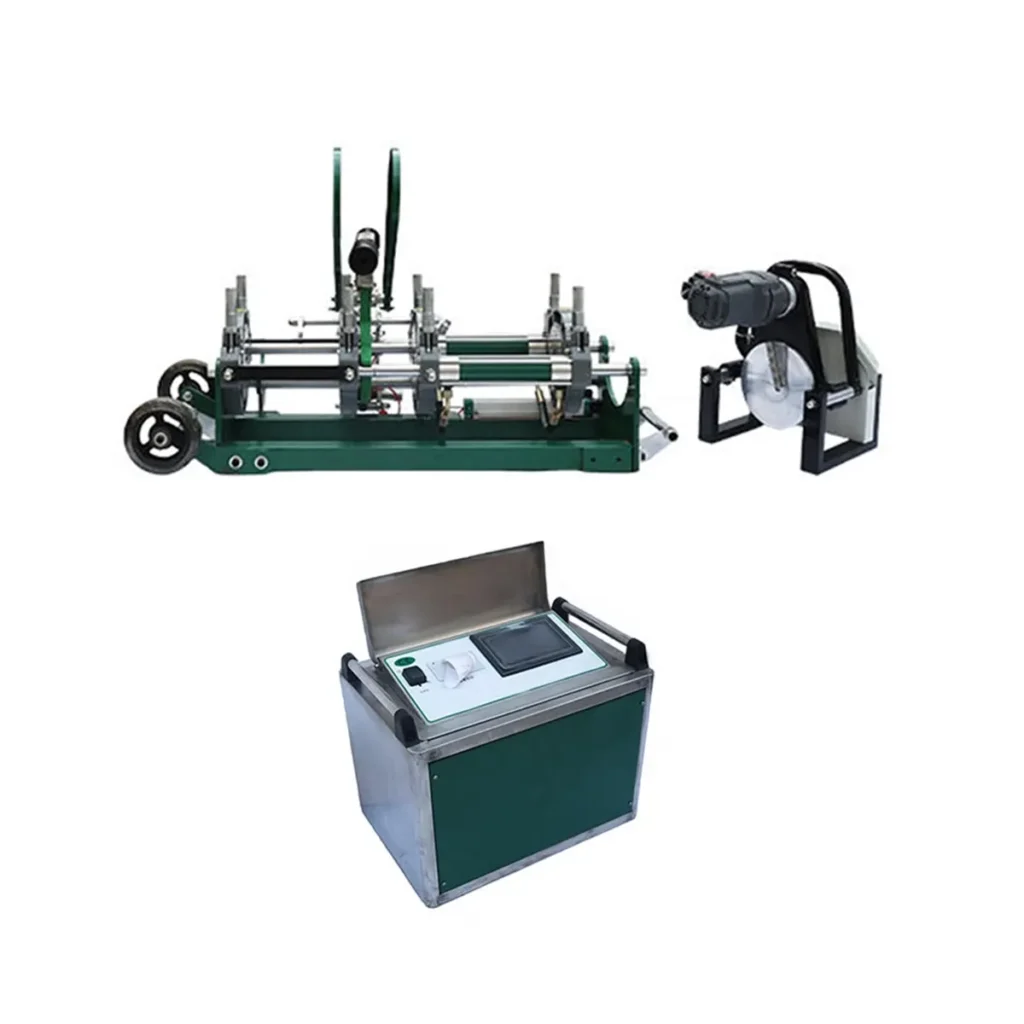
Indonesia’s expanding infrastructure — from urban water networks in Jakarta to rural gas and irrigation systems across Sulawesi and Kalimantan — demands dependable butt welding equipment. For contractors, fabricators, and utility operators, choosing the right butt welding machine maker in Indonesia means balancing portability, weld quality, and after-sales support suited to tropical climates and island logistics.
Why Indonesian Projects Need Specialized Butt Fusion Solutions
Durability in humid, coastal environments, ease of transport between islands, and compatibility with a wide range of HDPE pipe sizes are essential. Local construction firms prefer machines that minimize setup time on-site and deliver consistent fusion strength for water supply, gas distribution, and mining pipelines.
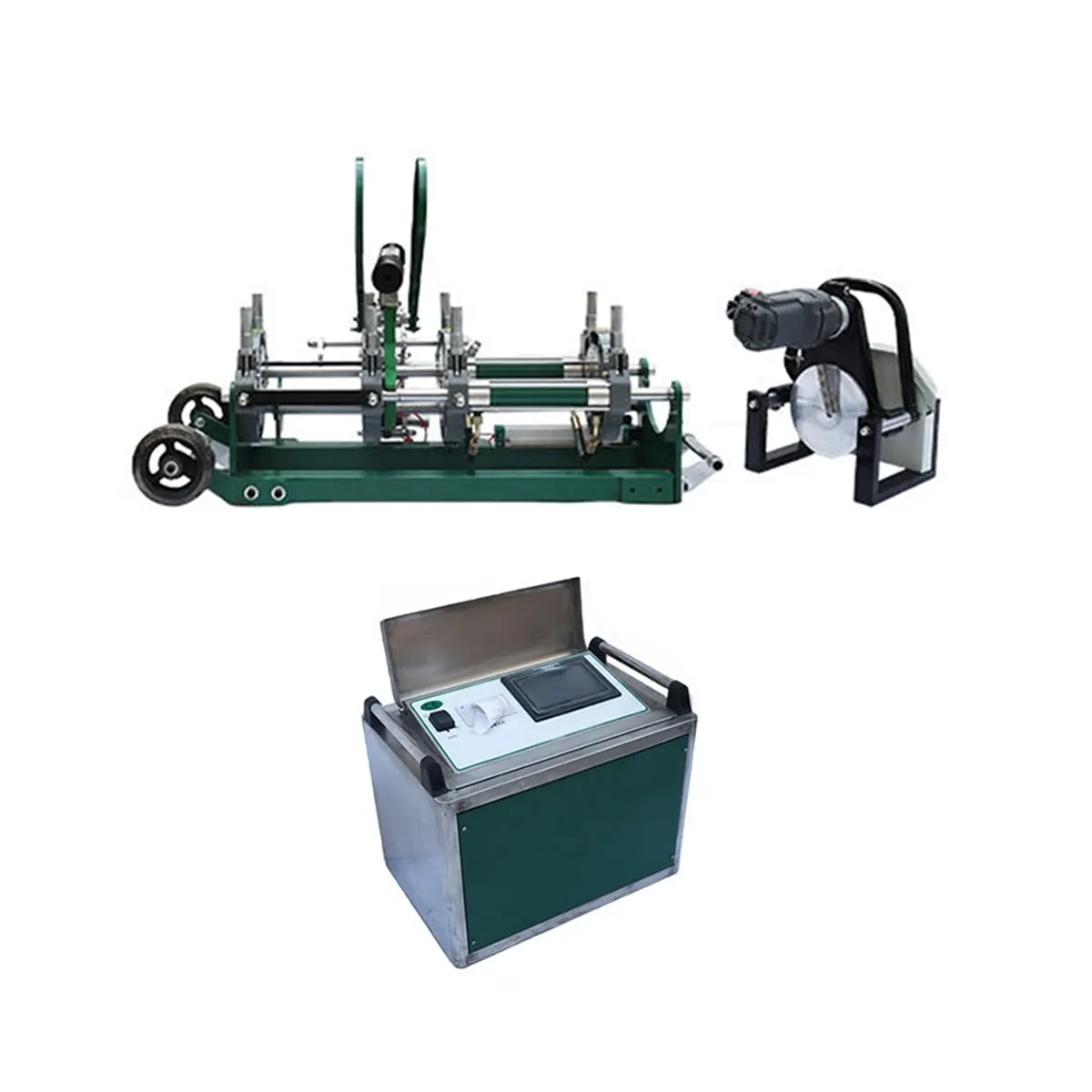
Types of Butt Welding Machines Commonly Chosen in Indonesia
Project scale determines equipment choice: smaller municipal jobs often use manual or portable units, while large pipeline projects and prefabrication yards invest in hydraulic or CNC automatic systems for throughput and traceable weld records.
Key selection factors
Climatic resilience, spare-part availability, and local training for weld operators. Machines should be easy to maintain in remote sites and offer reliable heater plates and trimming tools to reduce rework.
Quick Comparison: Manual vs Hydraulic vs Automatic
| Machine Type | Best For | Advantage |
|---|---|---|
| Manual Butt Fusion | Small jobs, rural repairs | Portable, low cost |
| Hydraulic Butt Fusion | Medium to large diameter pipelines | High clamping force, stable welds |
| Automatic / CNC Butt Fusion | Mass production, high-precision projects | Repeatable weld parameters, logging |
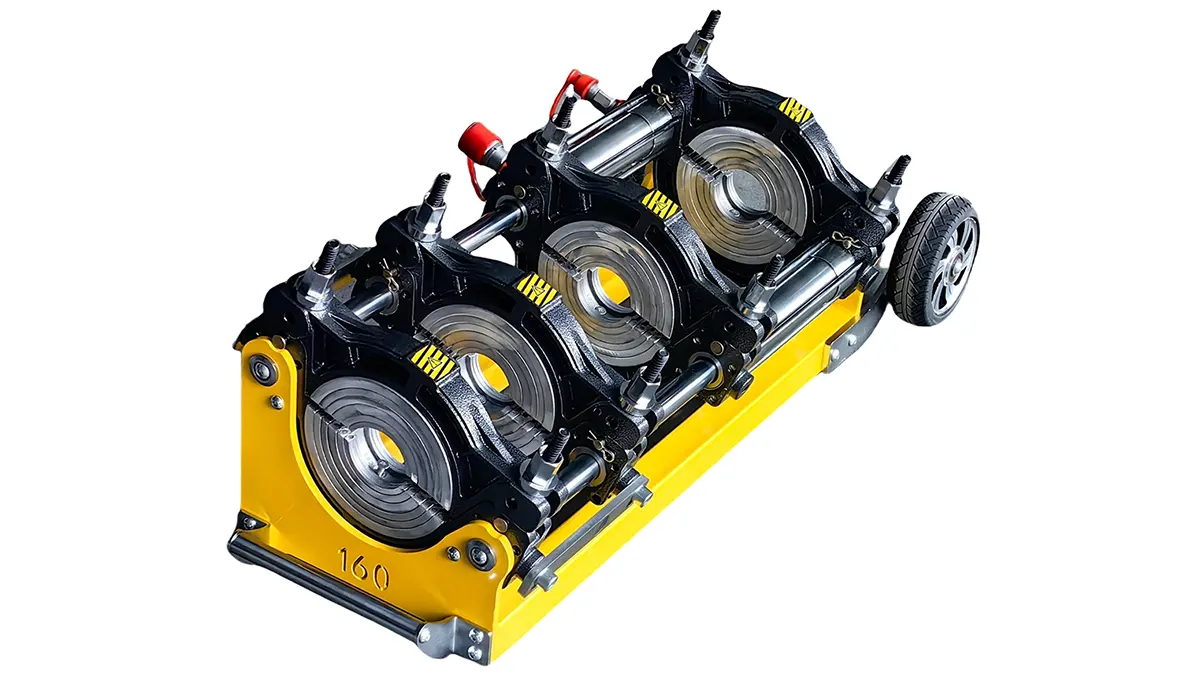
Performance & Reliability: What Indonesian Buyers Care About
Contractors shortlist suppliers based on consistent fusion strength, ease of calibration, and whether the equipment supports local service teams and spare parts. Machines that can endure heat, humidity, and frequent transport between islands score higher in procurement decisions.
Installation & Training
Indonesian operators benefit from concise on-site training focused on safety, parameter control, and maintenance. Reliable suppliers include clear operational manuals and offer remote or in-person commissioning to reduce startup delays.
Cost of Ownership: Beyond the Purchase Price
Evaluate warranty coverage, availability of consumables (heater plates, trims), and the frequency of on-site servicing. Lower lifecycle costs often come from machines with modular parts and readily available consumables in regional warehouses.
Choosing the Right Supplier
Look for a manufacturer with a proven portfolio in HDPE pipeline equipment and experience supplying diverse markets. One such provider with a global presence and a range of manual, hydraulic, and CNC automatic butt fusion machines is JQ-Fusion, known for durable machines used across water, gas, mining, and industrial pipelines.
Practical tip: Request welding records or test weld reports for the specific model you’re considering, and confirm that the supplier can ship spare parts quickly to major Indonesian ports.
Final Considerations for Indonesian Buyers
Prioritize machines that combine portability for archipelago projects with the robustness required by large infrastructure works. Confirm training, spare parts logistics, and clear documentation to ensure a smooth procurement and operation experience.
For project managers and procurement teams in Indonesia, selecting the right butt welding equipment reduces downtime, improves pipeline longevity, and helps meet local regulatory and safety standards.



