
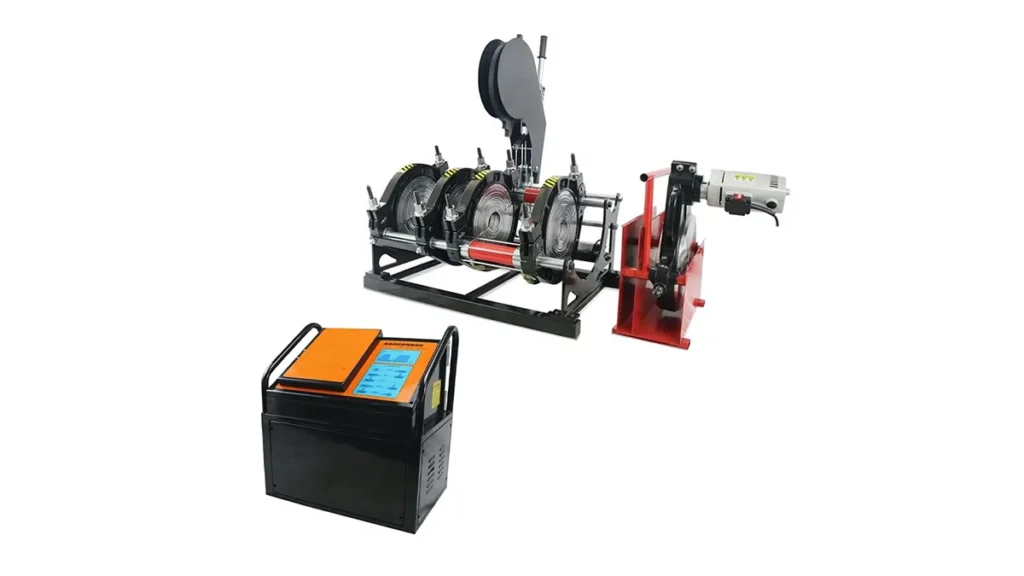
Choosing the best HDPE pipe welding machine in Australia means balancing rugged on-site demands, compliance with local project requirements and the need for reliable, repeatable butt-fusion results. From remote mining sites in Western Australia to regional water utilities in Victoria and large urban gas networks in New South Wales, the ideal machine must suit pipe diameters, operator skill levels and site logistics.
What Australian contractors look for
Portability & durability: Machines must handle dusty, hot, and often remote work sites with minimal downtime.
Automation level: Manual units for small repair jobs; hydraulic or CNC automatic machines for high volume, precision welding.
Service & parts availability: Fast access to replacement heating plates, trims and clamps keeps projects on schedule across wide distances.
Compliance: Proven weld traceability and stable parameters to meet Australian project specs and contractor standards.
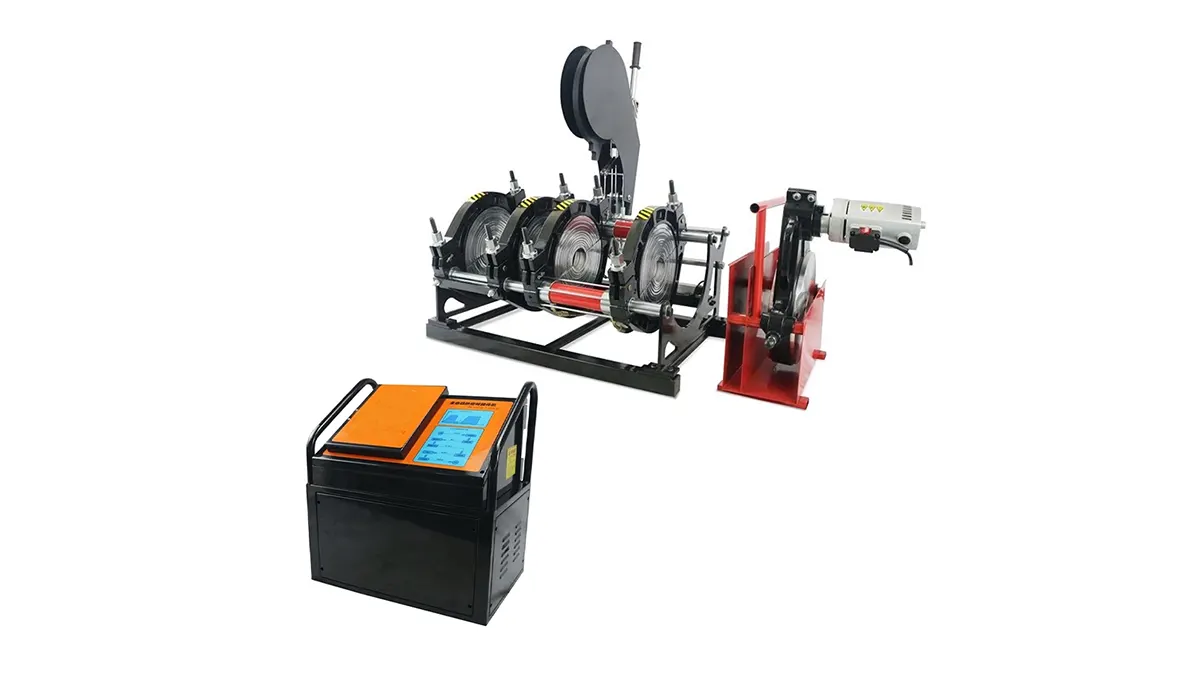
Choosing between Manual, Hydraulic and Automatic machines
Manual machines are compact and cost-effective for small diameter repairs and homeowners installing irrigation or small rural reticulation systems.
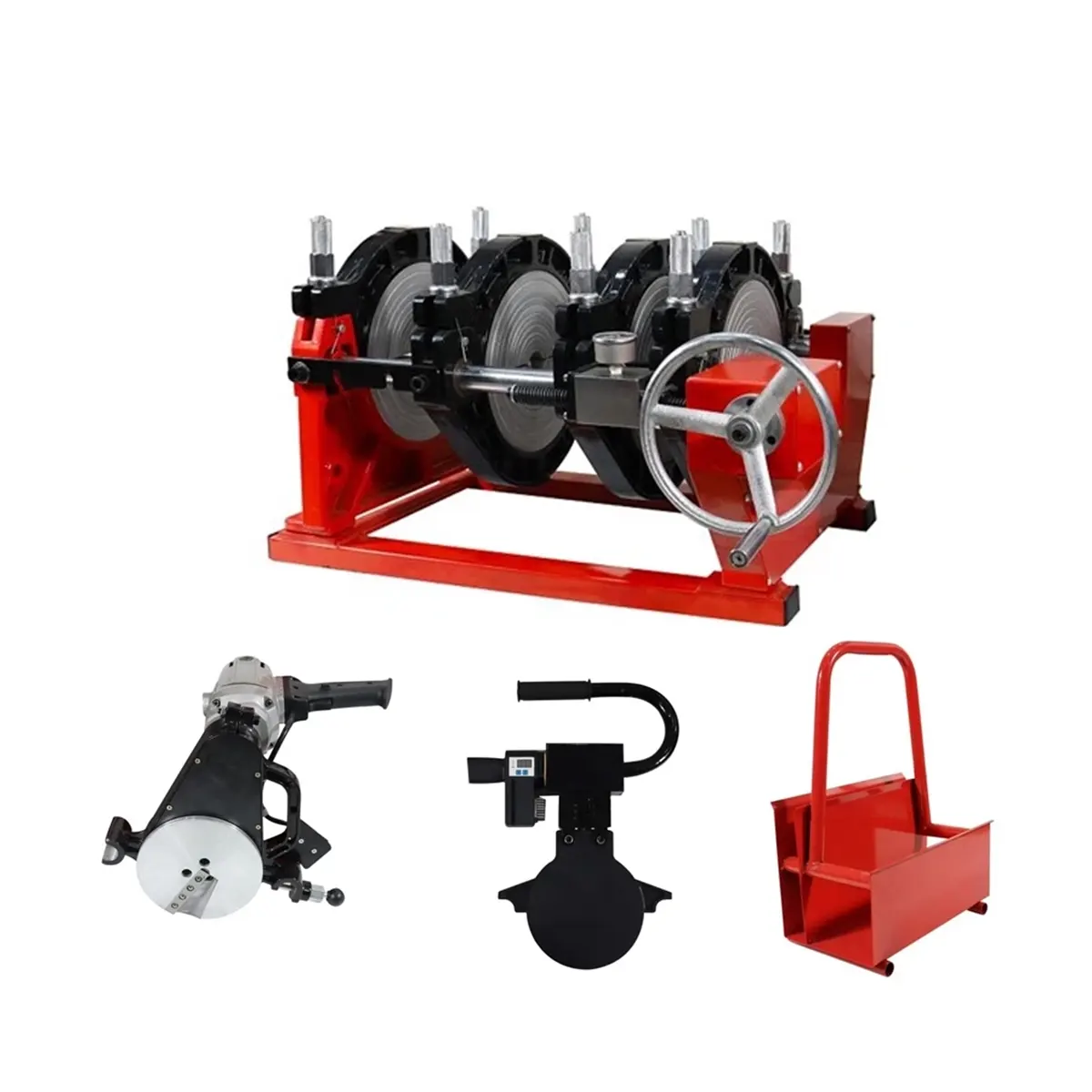
Hydraulic machines provide stronger clamping and faster cycle times for medium to large diameter pipes used in municipal water and gas distribution.
CNC Automatic machines deliver the highest repeatability and welding traceability—ideal for large infrastructure, mining slurry pipelines and long-distance mains.
Quick comparison table (at-a-glance)
| Model | Best for | Pipe range | Key advantages | Budget |
|---|---|---|---|---|
| JQLX-4M Manual | Site repairs, small contractors | 20–160mm | Lightweight, low maintenance | Budget |
| JQH160 / JQH350 Hydraulic | Municipal & medium pipelines | 63–355mm | High clamping power, faster cycles | Mid |
| JQA160 / JQA250 Automatic | High-volume contractors | 63–630mm | CNC control, weld records, repeatability | Premium |
| Large-diameter hydraulic frames | Major infrastructure & mining | 500–2250mm+ | Precision alignment, robust for heavy-duty sites | Premium |
Key features that matter on Australian jobsites
Fast setup and transport: Machines that pack into crates or trailers are preferred for long-distance travel to remote sites.
Environmental resilience: Components and electronics rated for heat, dust and humidity reduce downtime across Australia’s diverse climates.
Traceability & controls: Automatic units with welding logs and adjustable pressure/temperature profiles help meet contractor QA processes.
Operational tips for Australian users
Train operators locally: Practical on-site training reduces weld failures and improves speed—especially important where crews rotate across remote projects.
Stock consumables: Keep spare heating elements, trimming tools and clamps ready to avoid project delays in distant regions.
Choose the right power option: If mains power is intermittent, ensure machines can run from generators common on Australian worksites.
For enquiries about models, specifications or tailored solutions for Australian projects, contact JQ-Fusion: https://jq-fusionwelding.com/



