
Colombia’s growing investments in water supply, gas distribution, mining and rural infrastructure demand reliable pipe-joining technology. Electrofusion machines are a proven solution for joining HDPE pipes in diverse Colombian environments — from coastal projects in Cartagena to high-altitude pipelines in the Andes and remote installations in the Amazon basin.
Why Electrofusion Works Well for Colombian Projects
Electrofusion welding delivers consistent joints even where field conditions are challenging. For Colombian contractors and municipal operators, the method minimizes excavation time, reduces leak risks, and improves long-term durability — a critical factor for water and gas distribution systems exposed to UV, humidity, and variable terrain.
Key Advantages
-
Reliable seals: Electrofusion fittings create fusion bonds that resist root causes of leaks such as pressure fluctuation and chemical exposure.
-
Ease of use: Portable units and simple procedures help small crews in rural Colombian regions achieve high-quality welds.
-
Safety & compliance: Controlled heating cycles meet international welding standards and reduce rework on public utility projects.
-
Versatility: Suitable for networks of potable water, irrigation, gas distribution and industrial piping.
Electrofusion Machine Models & Typical Specs
| Model | Welding Range (mm) | Power | Best For |
|---|---|---|---|
| Portable Electrofusion Unit | 20–160 | 110/220V | Rural repairs & small distribution lines |
| Industrial Electrofusion Station | 160–630 | 220/380V | Large municipal & industrial pipelines |
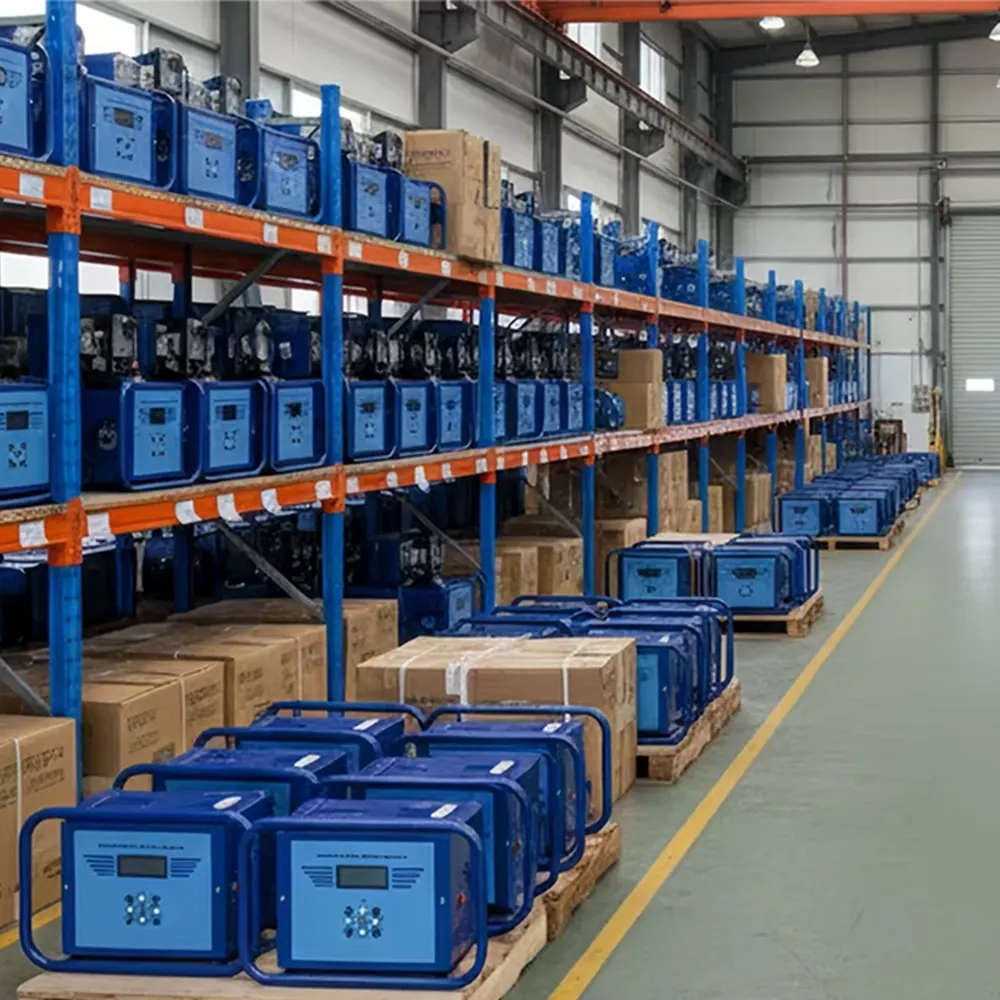
| Automated Electrofusion System | Up to 1000+ | Three-phase | High-volume fabrication yards |
Selecting the Right Machine for Colombian Conditions
When choosing equipment for work in Colombia, consider site power availability, altitude effects, and mobility needs. For mountainous Andean projects, lightweight portable electrofusion units with battery support help overcome limited grid access. Coastal and Amazonian projects benefit from corrosion-resistant components and protective enclosures to handle humidity and heavy rainfall.
Operator Training & Local Workforce
Spanish-language training and clear welding protocols are important for Colombian crews. Investing in a short certification program for technicians pays off with fewer weld failures and faster installations. Tools that offer guided weld cycles and digital readouts help less-experienced operators produce consistent results.
After-Sales Support and Parts
Reliable spare part supply and responsive technical support reduce downtime on critical projects. For customers in Colombia, ensuring access to calibration services, replacement heaters and connectors is essential to maintain long-term network performance.
JQ-Fusion manufactures a range of electrofusion and butt fusion equipment designed for global infrastructure projects and can provide tailored solutions for Colombian installations.
Maintenance & Best Practices
Regular inspection of heating coils, connectors and casing will extend machine life. Keep a log of welding cycles and environmental conditions (temperature, humidity) for quality assurance. Use recommended fusion parameters for pipe material and diameter and perform destructive testing on sample joints during commissioning.
Quick checklist for field teams:
-
Verify fitting codes and compatibility before welding.
-
Ensure clean pipe ends and correct alignment.
-
Follow the machine’s programmed weld cycle and keep records.
-
Store welding consumables in dry conditions to avoid moisture damage.
If you operate in Colombia’s utilities, mining or construction sectors, investing in the right electrofusion equipment and training reduces lifecycle costs and improves network reliability. For specification sheets, spare parts or training options, request a consultation tailored to your regional needs.



