
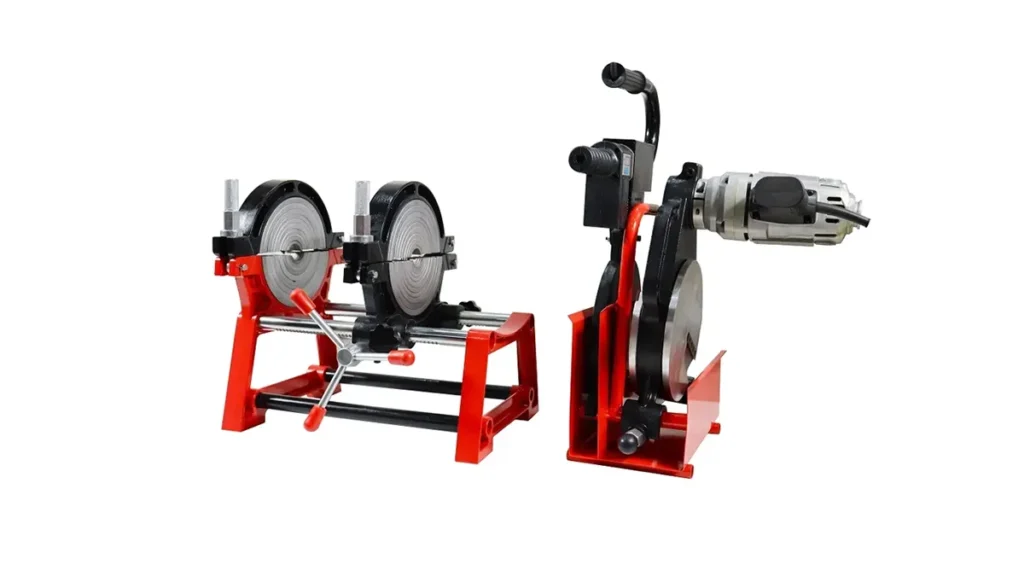
Butt fusion welding is the preferred method for joining HDPE and other thermoplastic pipes used in Russia’s demanding infrastructure projects — from municipal water networks in Moscow to long-distance gas distribution in Siberia. This article explains why butt fusion welders deliver reliable, leak-free joints and how the right equipment supports project success in Russian climates and regulatory environments.
Why Butt Fusion Works Well for Russian Projects
Butt fusion creates homogeneous joints that match or exceed the strength of the pipe material, making it ideal for pipelines carrying water, gas, slurry, and industrial fluids across diverse Russian terrains. Cold temperatures, seasonal freeze-thaw cycles, and remote worksites demand machines that are robust, easy to operate, and serviceable in the field.
Key Advantages for Contractors and Utilities
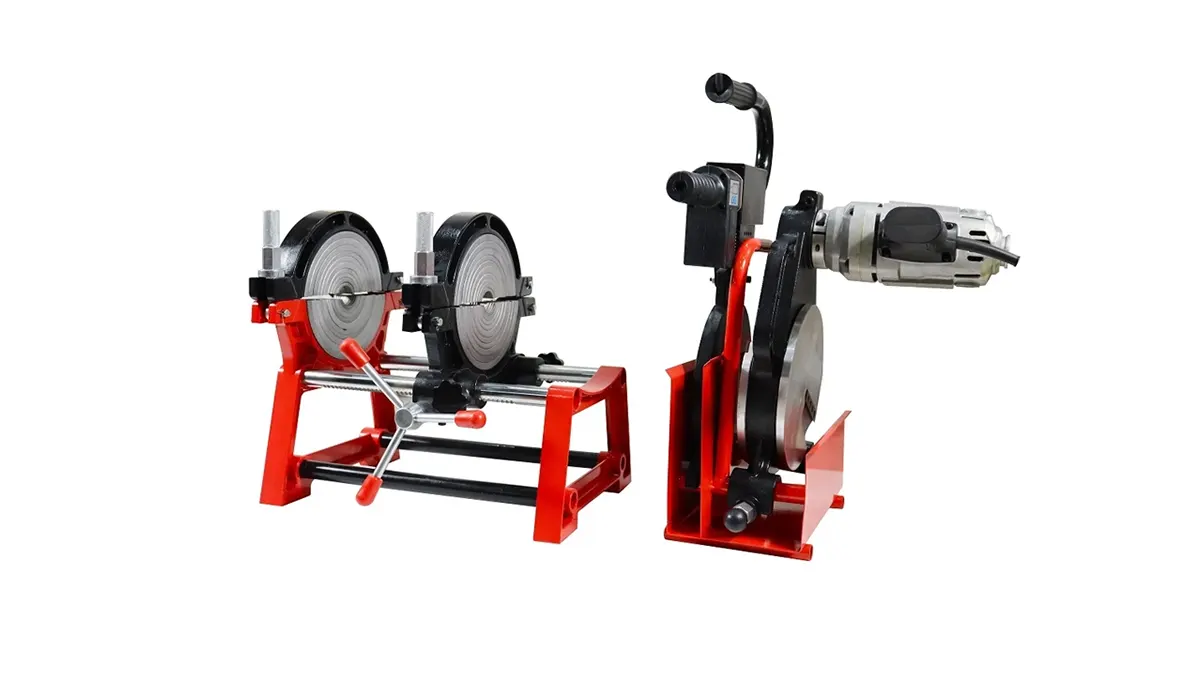
Durability: Heavy-duty frames and hydraulic systems withstand rugged site conditions. Consistency: Controlled heat and pressure cycles reduce rework. Portability: From manual rigs for narrow trenches to large-diameter hydraulic machines for pipeline yards, equipment adapts to project scale.
Products & Compatibility
Manufacturers produce manual, hydraulic, and CNC automatic butt fusion welding machines compatible with common pipe sizes used in Russia — small-diameter service lines up to large-diameter trunk mains. Equipment that supports GOST and international welding procedures helps contractors meet local specifications and inspection requirements. For global procurement and tailored solutions, consider established manufacturers like JQ-Fusion.
Typical Applications Across Russia
Butt fusion welding machines are widely used in:
- Municipal Water & Sewage — corrosion-free HDPE mains and service lines.
- Gas Distribution — secure, long-term joints for low- and medium-pressure networks.
- Mining & Industrial — slurry, process piping, and chemical-resistant lines in remote sites.
- Oil & Gas Field Infrastructure — flowlines and utility piping that resist harsh environments.
Features to Look For
When selecting a butt fusion welder for Russian conditions, prioritize:
- Temperature-resilient components and sealed electronics for cold-weather reliability.
- Hydraulic power units with stable output for consistent fusion pressure.
- Digital controls or CNC for automatic cycles, traceable weld data, and reduced operator variability.
- Serviceability — availability of spare parts and local support partners for fast turnaround.
Comparison Table: Machine Types & Typical Use
| Machine Type | Pipe Diameter Range | Best For |
|---|---|---|
| Manual Butt Fusion | 20–315 mm | Urban service lines, small repair works |
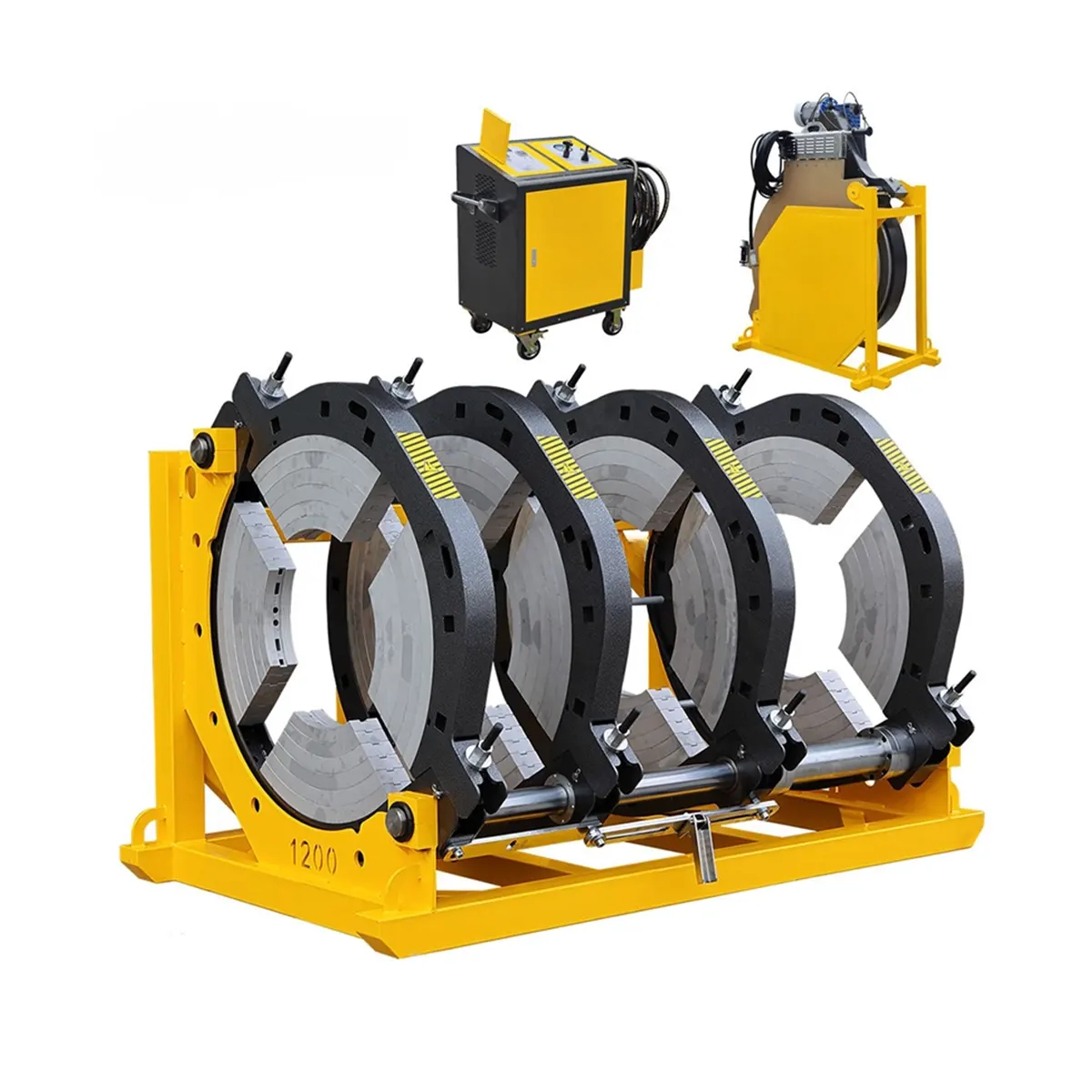
| Hydraulic Butt Fusion | 160–2000+ mm | Large-diameter mains, factory and yard welding |
| CNC Automatic Welding | 63–1250 mm | High-volume, precision-controlled welding with data logging |
Installation Tips for Russian Sites
Plan for site-specific challenges: use insulated covers or heated shelters for fusion operations in very low temperatures; schedule large-diameter joins during milder windows; and ensure weld operators are trained in both equipment operation and inspection protocols to meet local approvals.
After-Sales Support & Spares
Local logistics, spare parts availability, and remote technical support are crucial for minimizing downtime on long projects in Russia. Verify warranty terms, spare kits, and the supplier’s ability to provide documentation for acceptance testing and quality control.
Choosing the Right Machine for Your Project
Match machine capabilities to pipeline diameter, site accessibility, project timeline, and regulatory requirements. For repeatable, high-precision welds on major distribution networks or industrial plants, heavier hydraulic or CNC-equipped machines deliver the best return on investment. For small repairs and service connections, compact manual units offer mobility and low cost.
Ready to specify equipment? Evaluate machine specifications against your project scope, request welding procedure examples, and confirm spare parts lead times to ensure uninterrupted progress on-site throughout Russia’s seasons.



