
When a pipeline project starts taking shape, one of the first questions that comes up is not only which welding machine to use, but whether it is smarter to buy, rent, or commit to a long-term leasing plan. For contractors handling HDPE pipe installations, this decision can affect cash flow, productivity, equipment readiness, and the overall timeline of the project. That is why many project managers are now asking a practical question: Is Long-Term HDPE Welding Machine Leasing the Best Option for Your Project?
There is no one-size-fits-all answer. The right choice depends on the scale of the project, the duration of the work, the frequency of machine use, and the level of technical support required on site. For short-term tasks, renting may seem enough. For long-term pipeline construction, however, leasing can create a balance between cost control and equipment availability. In many cases, it gives companies access to reliable tools without the burden of full ownership.
Long-term leasing is especially relevant in industries where pipeline work is continuous or phased over several months or years. Water supply systems, gas distribution networks, mining operations, and industrial pipeline installations often require dependable welding equipment that can operate consistently over extended periods. In these environments, downtime is expensive, and equipment quality directly affects welding strength and joint reliability.
At the same time, leasing is not only about saving money upfront. It also helps companies stay flexible. Projects change. Pipe sizes change. Site conditions change. If your business needs different machine configurations, voltage options, or branded equipment for client delivery, leasing can sometimes be structured in a way that supports those changing demands more easily than purchasing fixed assets outright.
⚡ Key idea: Long-term leasing is most valuable when your project needs reliable machine access, stable operating costs, and technical support without the commitment of ownership.
One major advantage of long-term leasing is lower initial capital pressure. Buying a high-quality HDPE welding machine can require a significant upfront investment, especially for large-diameter butt fusion models or automated systems. For contractors managing multiple projects, preserving capital for labor, transport, raw materials, and site operations can be more important than tying funds up in equipment. Leasing allows that money to stay available for other critical needs.
Another benefit is access to better equipment. A project team may not always be able to justify purchasing a premium machine for a single job, yet that same machine may dramatically improve welding consistency and speed. Leasing makes it possible to use advanced hydraulic or CNC automatic equipment for the period it is needed. For companies that care about performance and compliance, this can improve both productivity and weld quality.
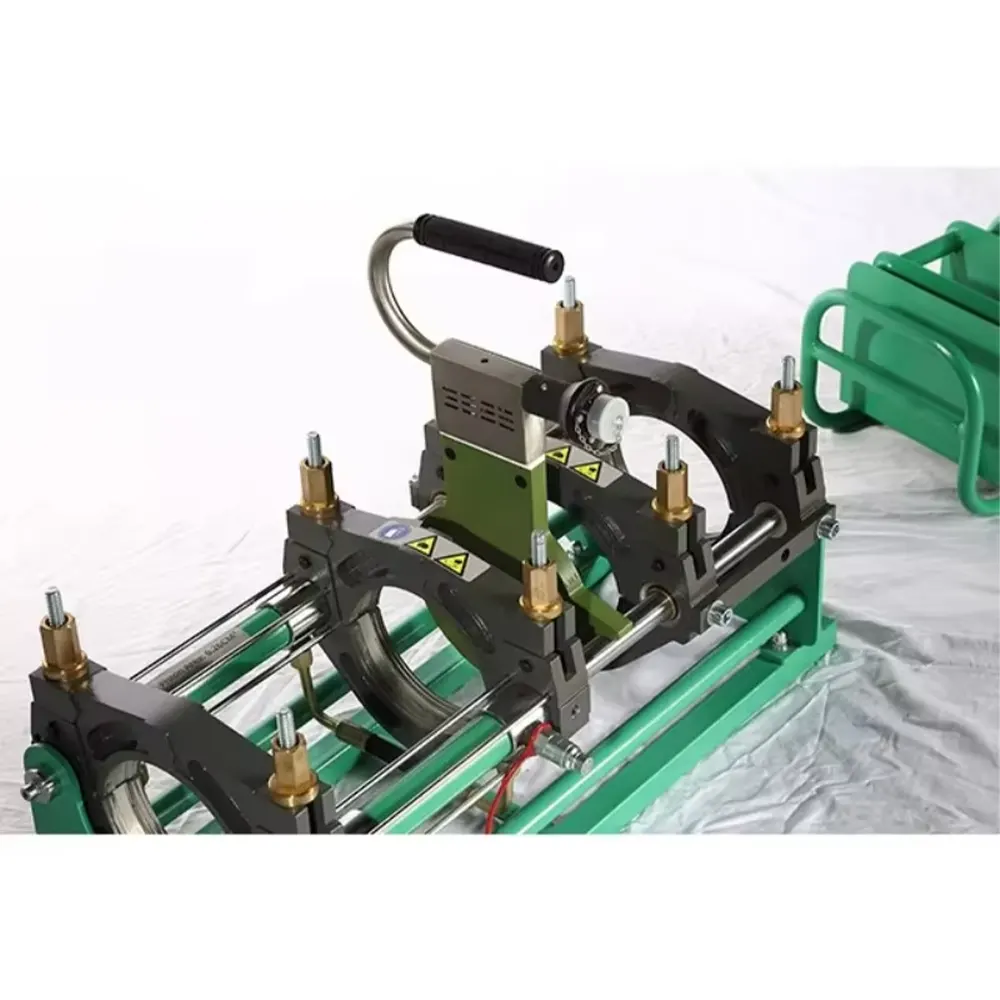
JQ-Fusion, a professional manufacturer with more than 20 years of industry experience, has built its reputation on supplying durable butt fusion solutions for global pipeline projects. Its machines are designed for a wide range of pipe diameters and are widely used in demanding sectors such as water, gas, mining, and industrial infrastructure. For more product details, you can visit the official website through this butt fusion machine link.
For companies comparing leasing options, product quality should remain a top priority. A machine that looks affordable on paper can become costly if it produces inconsistent heat, unstable hydraulic pressure, or poor clamp alignment. That is why quality testing matters. Before choosing a long-term leasing partner, it is important to ask whether machines are tested for temperature accuracy, pressure stability, and alignment precision. These technical factors have a direct effect on weld integrity and project safety.
✅ Practical tip: If your team works on critical pipeline systems, prioritize leasing providers that can document inspection procedures and pre-delivery testing.
Long-term leasing also makes sense when project timelines are uncertain. Some pipeline contracts begin with a clear schedule but later expand due to weather delays, design changes, or regulatory adjustments. If you own equipment, you carry the full depreciation risk whether the machine is used continuously or not. Leasing can reduce that burden because the financial commitment is aligned more closely with actual project duration.
There is also an operational benefit: maintenance support. In a well-structured leasing arrangement, the provider may offer technical guidance, troubleshooting, or replacement support. That can be valuable for teams working in remote areas where finding repair services quickly is difficult. When equipment is backed by responsive support, the project can continue with less interruption and lower risk.
🔧 Why support matters: In HDPE welding, even a short machine breakdown can delay pipe fusion, increase labor costs, and push the entire schedule off track.
Still, leasing is not automatically the best choice for every business. If your company performs HDPE welding every day, owns a stable client base, and has enough workload to keep the machine in constant use, purchasing may provide a better long-term return. Ownership can also make sense when you need deep customization or when the machine will remain in use for many years across different projects. The key is to compare total cost, usage frequency, and strategic value.
For contractors who require multiple machine types, a mixed strategy can be ideal. Some businesses purchase core equipment for permanent use and lease specialized machines for larger or less frequent jobs. For example, a company may own a smaller unit for standard pipe work while leasing a larger hydraulic or automatic model for big-diameter projects. This approach improves flexibility without forcing the company to overinvest in equipment that may sit idle for long periods.
Another important consideration is the learning curve. HDPE welding machines vary by model, control system, and automation level. Manual models may be simple to operate, while hydraulic and CNC automatic machines can offer better consistency but require more training. A good leasing partner should provide technical guidance so operators can use the machine safely and efficiently from the start. That support can reduce mistakes, prevent material waste, and improve joint quality.
JQ-Fusion’s product range includes hydraulic butt fusion welding machines, automatic butt fusion welding machines, electrofusion welding machines, and multi-angle pipe fitting welding machines. This variety is useful for contractors who work across different pipeline conditions and need more than one welding method. If your project involves complex specifications, a supplier with a broad product line can help match the right machine to the job instead of forcing a compromise.
📌 Important: Leasing should not be judged only by monthly cost. Evaluate machine reliability, service support, project flexibility, and the impact on your delivery schedule.
Customization is another area where leasing can be valuable. In global projects, voltage requirements, machine size, branding, and color preferences may vary. JQ-Fusion offers OEM and ODM customization, which can help distributors and contractors align equipment with project standards or market positioning. For some customers, the ability to receive a tailored machine is a strong reason to choose a supplier offering flexible commercial terms.
Large inventory and fast delivery are also critical. A project may suddenly require equipment sooner than expected, and delays in machine arrival can create major scheduling problems. Providers with ready stock can reduce waiting time and support urgent demand. In long-term leasing, availability matters just as much as pricing because the equipment must be on site when the work begins.
Another reason long-term leasing is attractive is certification and compliance. Projects in regulated sectors often require proof that equipment meets international standards. JQ-Fusion states that its products are manufactured in compliance with international standards and certified by SGS, which gives contractors extra confidence when working on demanding infrastructure jobs. Certification does not replace good site practices, but it strengthens trust in the equipment itself.
If you are deciding whether long-term HDPE welding machine leasing is best for your project, consider these questions: How long will the work last? How often will the machine be used? Do you need advanced automation? Is cash flow tight? Will technical support be available when needed? The answers will usually point to the right financial model more clearly than a simple price comparison.
In many real-world cases, leasing becomes the best option when the project is long enough to justify stable access to equipment, but not so permanent that ownership is essential. It gives contractors the benefit of professional-grade tools, lower initial cost, and easier operational planning. For businesses that must stay nimble while maintaining welding quality, that combination can be extremely attractive.
At the same time, the best leasing arrangement is only as strong as the supplier behind it. A trusted manufacturer with strong engineering capability, strict quality control, and responsive after-sales support can make the difference between a smooth project and a frustrating one. That is why choosing the right partner is as important as choosing the right machine.
JQ-Fusion emphasizes stable welding performance, customized solutions, strict quality assurance, fast delivery, and professional technical support. Those strengths matter because pipeline projects often depend on more than equipment alone. They depend on confidence, timing, and the ability to keep work moving under pressure. When a supplier can help deliver all three, long-term leasing becomes more than a financial arrangement; it becomes a project strategy.
⭐ Bottom line: Long-term HDPE welding machine leasing can be the best option when your project needs dependable performance, manageable costs, and professional support without the burden of ownership.
FAQ 1: Is long-term HDPE welding machine leasing cheaper than buying?
It depends on usage. Leasing often lowers upfront cost and improves cash flow, but buying may be more economical for companies that use the machine continuously over many years.
FAQ 2: What types of projects benefit most from leasing?
Large or phased projects such as water supply systems, gas distribution, mining, and industrial pipeline installations often benefit because they need reliable equipment for extended periods.
FAQ 3: What should I check before signing a leasing agreement?
Review machine condition, technical support, delivery timeline, maintenance terms, certification, and whether the equipment matches your pipe diameter and voltage requirements.
FAQ 4: Can leasing include customized equipment?
Yes, depending on the supplier. Some manufacturers offer OEM and ODM customization for machine size, branding, voltage, color, and project-specific configurations.
FAQ 5: When is buying better than leasing?
Buying is usually better when your team uses the machine frequently, needs long-term ownership, or wants to maximize return on equipment used across many projects.



