
The eco standards for pipeline construction are becoming a defining part of how modern infrastructure is planned, approved, and built. As governments, contractors, and communities place greater emphasis on sustainable development, pipeline projects are expected to reduce environmental disruption while still delivering safe, efficient, and long-lasting performance. In practice, this means that every stage of construction—from route selection and material handling to welding, testing, and site restoration—must be evaluated through an environmental lens. A project that once focused mainly on speed and cost now has to balance ecological responsibility, regulatory compliance, and public trust.
At the planning stage, eco standards begin with careful route assessment. The least harmful path is not always the shortest one. Engineers must consider protected habitats, wetlands, forests, agricultural land, water sources, and community areas before choosing the final alignment. Environmental impact assessments often guide these decisions, helping project teams reduce damage before construction even starts. This early planning is one of the most effective ways to control emissions, avoid unnecessary excavation, and preserve biodiversity.
Another key standard is soil protection. Pipeline construction can disturb large volumes of soil, and poor handling may lead to erosion, sediment runoff, and long-term land degradation. To meet eco requirements, contractors should strip and store topsoil separately, minimize the width of work corridors, and restore the land promptly after installation. In sensitive areas, erosion control blankets, silt fences, and temporary drainage systems are often used to keep nearby waterways clean and stable.
Key eco principle: the best environmental protection starts before excavation. Route design, permit planning, and land-use coordination can eliminate many impacts that are expensive or impossible to fix later.
Water protection is one of the most important environmental priorities in pipeline construction. Projects near rivers, lakes, and groundwater sources must follow strict controls to prevent contamination from fuel, lubricants, drilling mud, cement residues, and accidental spills. Construction teams should use spill kits, sealed storage areas, and inspection routines to ensure hazardous substances are managed properly. When trenching crosses waterways, the work method should be selected to reduce turbidity and disturbance to aquatic life. In many cases, directional drilling or other trenchless methods are preferred because they reduce direct impact on sensitive water environments.
Air quality standards also matter. Construction equipment, welding generators, transport vehicles, and earthmoving machinery can produce dust and exhaust emissions. Eco-compliant projects often require low-emission engines, regular maintenance, dust suppression, and efficient logistics planning to reduce unnecessary transport. On active sites, watering exposed soil, limiting idling time, and optimizing machinery use can significantly cut particulate pollution and greenhouse gas output.
Noise control is another area where environmental standards have become more demanding. Pipeline works may take place near residential zones, schools, farms, or protected wildlife areas. Excessive noise can disturb communities and stress animals, especially during breeding seasons. Contractors can reduce noise by using quieter equipment, placing barriers around noisy operations, scheduling high-impact work during appropriate hours, and keeping machinery properly maintained. These measures are not only regulatory requirements in many regions, but also a sign of professional site management.
Material selection plays a major role in eco performance. The pipeline itself should be durable, corrosion-resistant, and suitable for long service life, because frequent replacement increases both waste and environmental cost. In many water and gas projects, HDPE is favored because it is lightweight, has a long lifespan, and can support efficient fusion joining. When the welding process is reliable, fewer defects occur and fewer materials are wasted. That is why quality equipment and precise joining methods contribute directly to sustainability.
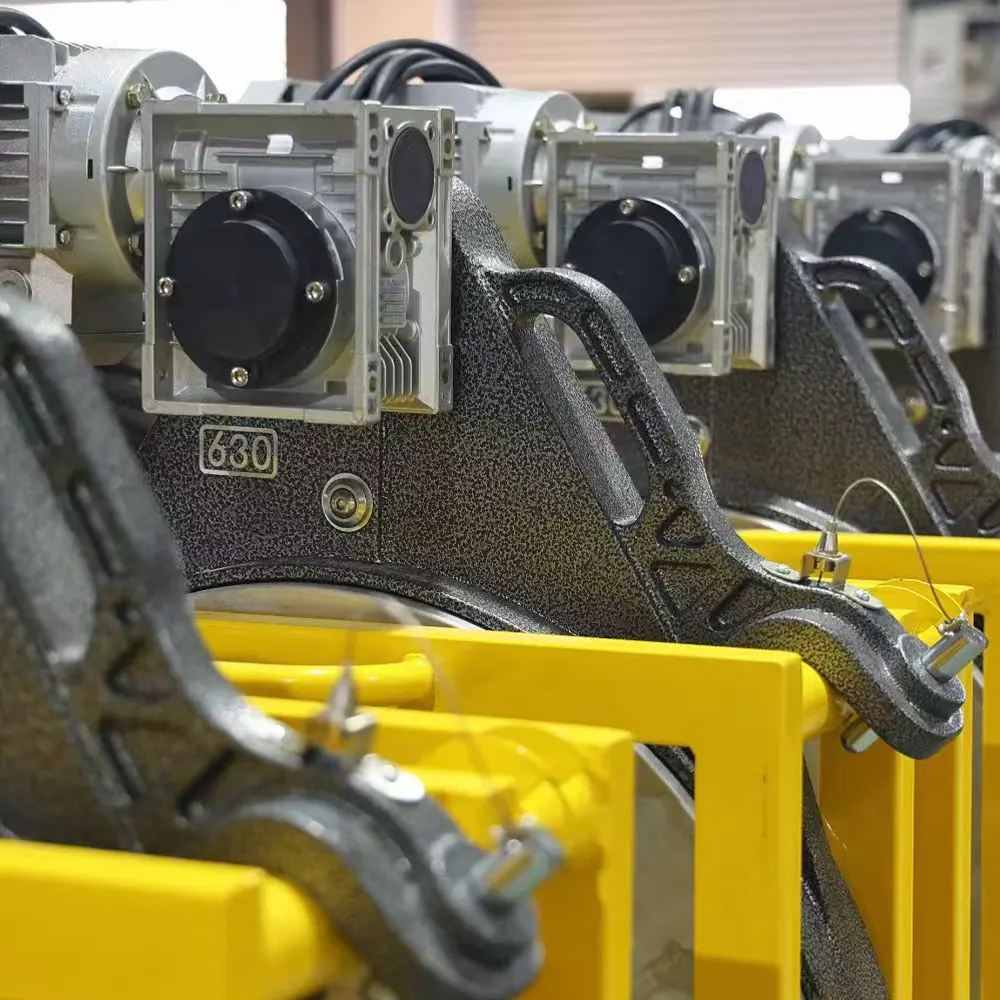
For example, contractors looking for dependable fusion solutions often evaluate specialized equipment from trusted suppliers. A well-designed butt fusion machine can help improve joint consistency, reduce rework, and support cleaner installation practices across different pipeline projects. By ensuring accurate alignment, stable heating, and controlled pressure, the welding process becomes more efficient and less wasteful, which aligns with both technical and environmental goals.
Waste management is another central eco standard. Construction sites generate scrap pipe, plastic packaging, metal offcuts, spent consumables, empty lubricant containers, and general rubbish. Good environmental practice requires sorting waste at the source, recycling materials where possible, and disposing of hazardous waste through licensed channels. Reusable materials should be recovered and stored properly, while non-recyclable waste should be minimized through smarter procurement and tighter inventory control.
Important note: eco standards do not mean lower productivity. In many cases, cleaner workflows, better equipment, and fewer repairs actually improve project speed and lower lifetime cost.
Energy efficiency is increasingly included in pipeline construction standards. Project teams are expected to reduce fuel consumption, use efficient equipment, and avoid unnecessary machine operation. In larger projects, this may involve route optimization, shared transport planning, and digital scheduling tools to reduce idle time. The fewer times equipment is moved or restarted, the lower the emissions and operating cost. Smart energy management has become a practical part of environmental compliance.
Rehabilitation and restoration are essential parts of eco-compliant pipeline work. Construction is not complete when the pipe is buried. The land must be returned to a stable condition through regrading, reseeding, replanting, and restoring drainage paths. In environmentally sensitive areas, native vegetation may need to be reintroduced, and monitoring may continue for months or even years to ensure the ecosystem is recovering properly. A project is judged not only by how it is built, but also by how well the site is left behind.
Regulatory compliance is the framework that ties all these environmental measures together. Different countries and regions have their own environmental laws, permitting systems, and construction codes. Some projects must meet international standards as well, especially when funded by multinational organizations or executed across borders. Contractors should understand local environmental thresholds, reporting obligations, and audit requirements before mobilization begins. Missing these requirements can lead to delays, fines, or project suspension.
In modern pipeline projects, eco standards are also linked to social responsibility. Communities expect transparency about land use, noise, safety, and environmental protection. Good communication can prevent conflict and build trust. Project managers should explain work schedules, emergency procedures, and restoration plans clearly to local stakeholders. When people understand what is happening and why, it becomes easier to maintain cooperation throughout the construction process.
Digital tools are helping raise environmental performance as well. Geographic information systems, remote monitoring, and construction planning software can help teams identify sensitive zones, track progress, and document compliance more accurately. These tools reduce guesswork and support better decisions on routing, equipment use, and restoration timing. Technology does not replace environmental responsibility, but it makes it easier to apply standards consistently.
Eco standard checklist: route carefully, protect water and soil, limit air and noise pollution, choose durable materials, manage waste properly, restore the site, and document every step.
For manufacturers and suppliers involved in pipeline construction, eco standards also influence product development. Equipment used in joining and installation should be durable, energy-conscious, and reliable enough to reduce defects. A company with strong engineering capability and strict quality control can contribute to sustainability by helping contractors avoid repeated repairs and material loss. This is especially true in fusion welding applications, where stable temperature control, hydraulic reliability, and accurate clamp alignment directly affect joint quality and long-term pipeline integrity.
One of the reasons eco standards are gaining importance is that they support long-term value. A project that protects the environment well is usually safer, more predictable, and more acceptable to regulators and local communities. It can also reduce maintenance costs, decrease the chance of environmental incidents, and improve the reputation of the contractor. Sustainable construction is not a separate category anymore; it is part of professional project delivery.
To achieve these goals, companies need more than written policies. They need trained workers, inspection routines, accountable supervisors, and equipment that performs consistently in real conditions. Environmental standards become effective only when they are built into daily site behavior. From the first excavator moving soil to the final patch of restored land, every action matters.
In practice, the most successful pipeline projects are those that combine engineering precision with environmental discipline. They use fewer resources, create less waste, avoid unnecessary disruption, and leave a smaller footprint behind. That is the real meaning of eco standards in pipeline construction: not just compliance, but responsible development that supports both infrastructure growth and ecological protection.
FAQ: What are the eco standards for pipeline construction?
1. What is the main purpose of eco standards in pipeline construction?
They are designed to reduce environmental damage, protect communities and ecosystems, and ensure the project complies with local and international environmental rules.
2. Which environmental areas are most affected by pipeline construction?
Soil, water, air quality, noise levels, vegetation, wildlife habitats, and waste management are usually the most important areas requiring control.
3. How can a pipeline project reduce its environmental impact?
It can choose a careful route, use low-emission equipment, control dust and noise, protect waterways, manage waste properly, and restore the site after construction.
4. Why is welding quality important for eco compliance?
High-quality welding reduces leaks, rework, and material waste. Reliable fusion equipment helps build durable pipelines that last longer and need fewer repairs.
5. Do eco standards make pipeline construction slower?
Not necessarily. Good planning and the right equipment can make construction more efficient while still meeting environmental requirements.



