
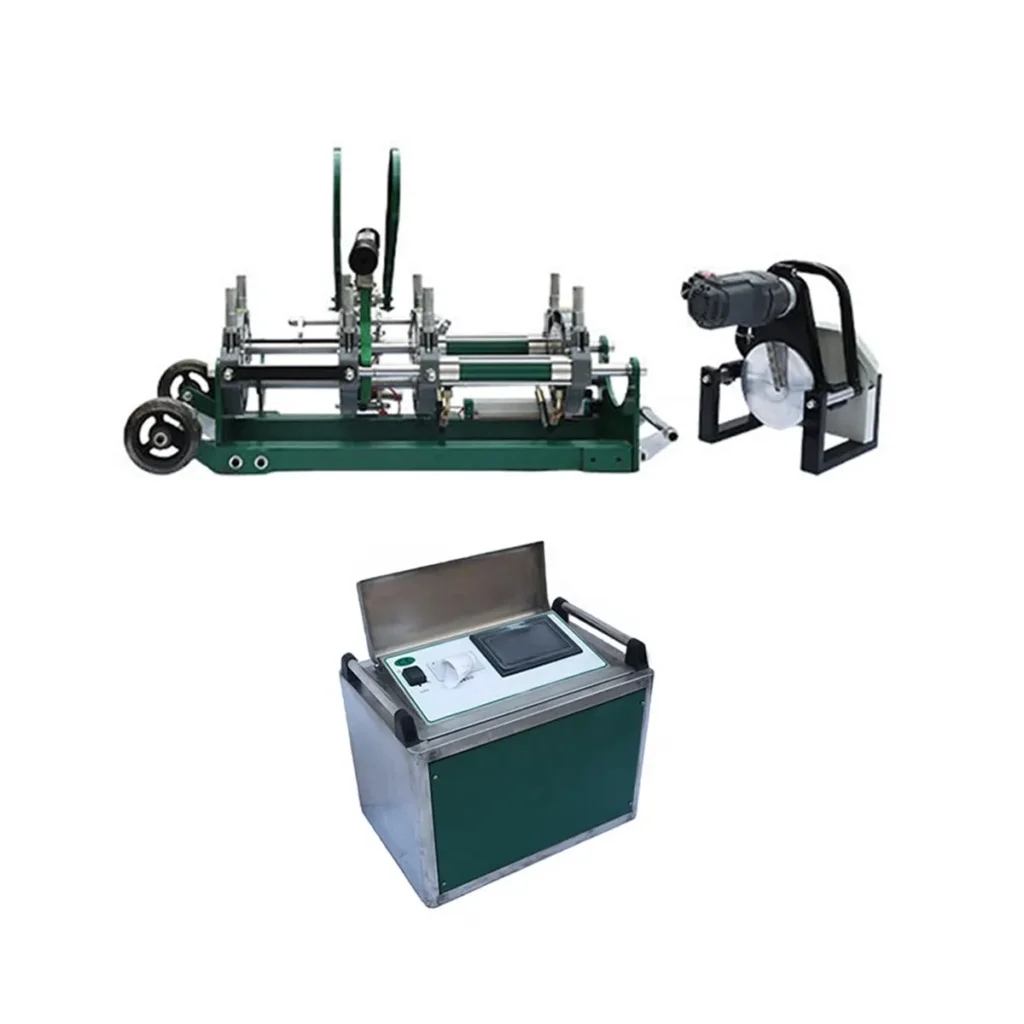
Choosing the best polyethylene (HDPE/PE) welding machine in Lebanon means matching local project needs — from municipal water networks in Beirut to agricultural irrigation in the Bekaa Valley and gas distribution upgrades in Tripoli. This guide helps contractors, pipeline installers, and procurement managers evaluate the right equipment for Lebanon’s climate, supply chain realities, and regulatory environment.
Why HDPE Welding Matters for Lebanese Infrastructure
HDPE piping is increasingly used across Lebanon for its corrosion resistance, flexibility, and long service life. Reliable welding machines ensure leak-free joints that survive seismic events and the country’s wide temperature swings. Whether repairing old networks or installing new systems, weld quality directly affects maintenance costs and public safety.
Key Machine Types to Consider
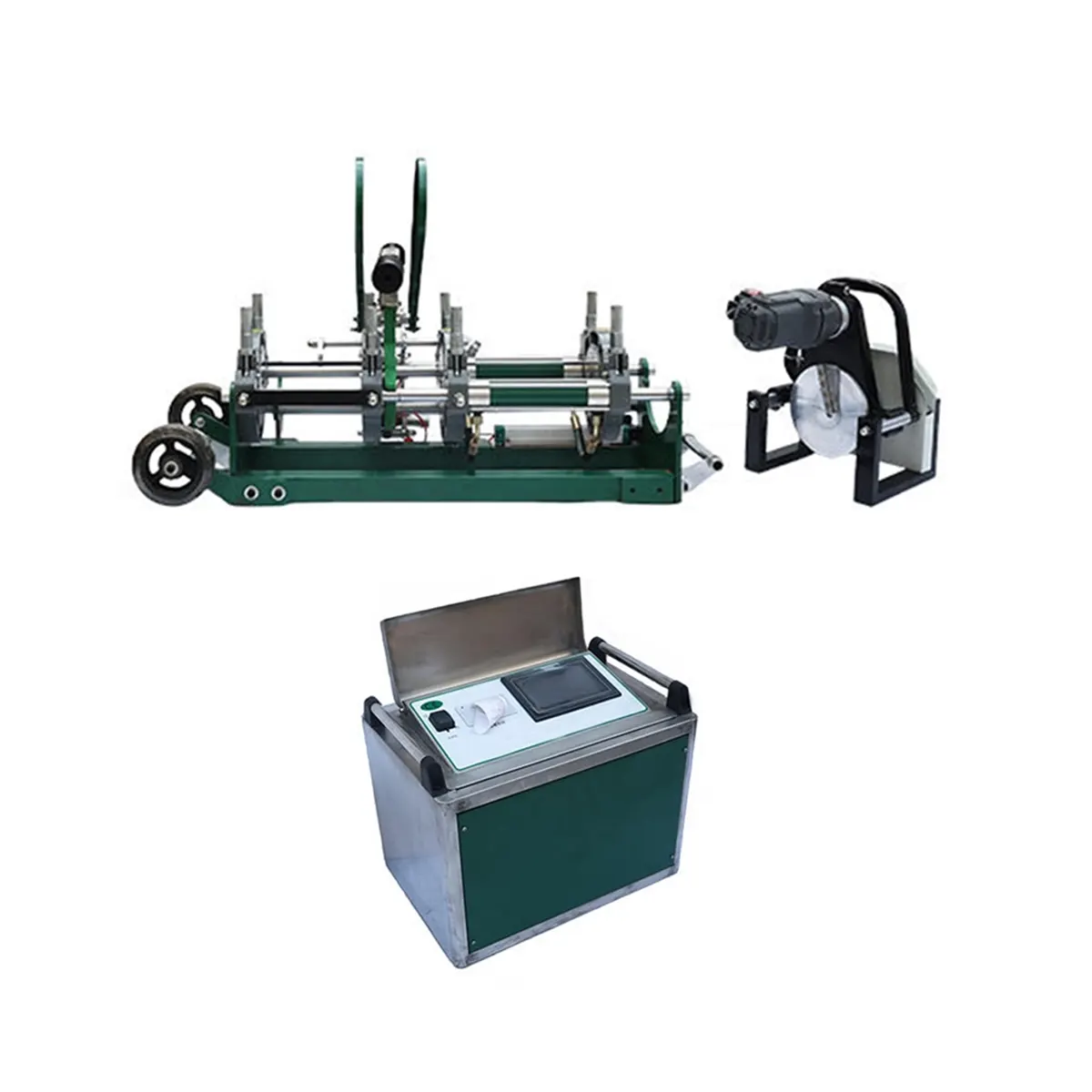
Manual machines are compact and ideal for small-diameter repairs and remote job sites. Hydraulic units provide higher clamping force for larger diameters. Automatic and CNC-controlled butt fusion machines deliver repeatable welds and faster cycle times for contractors working on large municipal or industrial projects. Electrofusion units allow precision fittings in confined spaces or when fusion access is limited.
Comparing Machine Types (Quick Reference)
| Machine Type | Best Use | Typical Diameter Range |
|---|---|---|
| Manual Butt Fusion | Small repairs, low-budget projects | 20mm – 315mm |
| Hydraulic Butt Fusion | Large pipelines, heavy-duty sites | 160mm – 2250mm+ |
| Automatic / CNC | High-volume, high-precision work | 63mm – 1250mm |
| Electrofusion | Fittings, repairs in confined areas | 20mm – 630mm |
What Lebanese Buyers Should Prioritize
Suppliers must match machines to the realities of construction in Lebanon: inconsistent power at some sites, narrow urban access in older cities, and the need for fast turnaround on public projects. Prioritize:
- Durability: Robust frames and corrosion-resistant components for coastal or humid areas.
- Spare parts & support: Local or regional stock of heating plates, clamps, and hydraulic parts to reduce downtime.
- Training & certification: On-site operator training and weld procedure documentation for municipal contracts.
- Power flexibility: Machines that run on available generators or stable mains with simple voltage tolerances.
Evaluating Manufacturers — Checklist
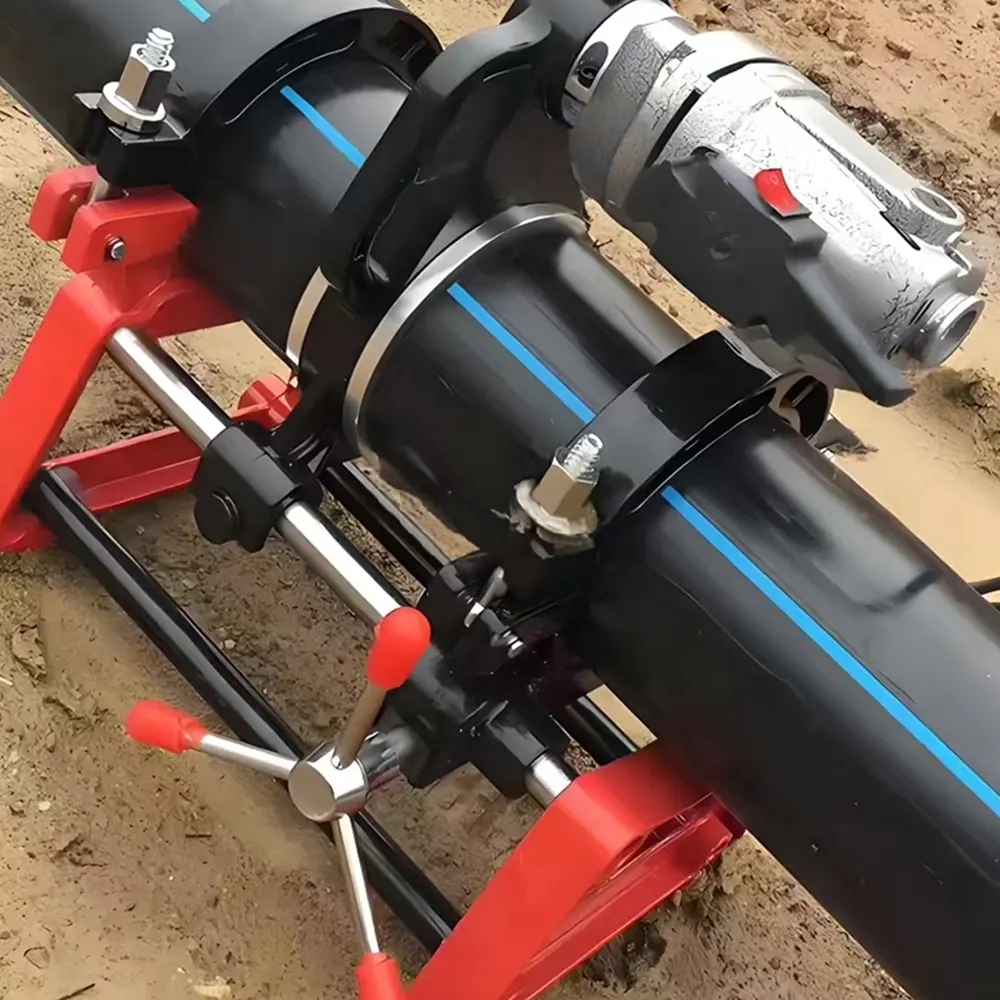
When assessing suppliers, look for clear product ranges, warranty terms, and customer references from similar climates or projects. Essential questions include: delivery lead time to Lebanon, availability of CE or ISO certifications, length of warranty, and whether the vendor offers commissioning and operator training.
A Recommended Option
For buyers seeking dependable butt fusion solutions with a wide product range and global project experience, consider JQ-Fusion (https://jq-fusionwelding.com/). Their line covers manual, hydraulic, and CNC automatic machines suitable for water, gas, mining, and industrial pipelines — all relevant to Lebanon’s contractors and utilities.
Practical Buying Tips
Start with a pilot purchase: a mid-range hydraulic or automatic machine that covers the common diameters for your projects. Verify training availability for Lebanese crews and confirm spare parts shipping times. Negotiate a service agreement that includes remote technical support and planned maintenance kits.
Final Considerations for Lebanese Contractors
Pick a supplier who understands local procurement cycles and can provide documentation for public tenders. With the right machine — chosen for durability, serviceability, and weld consistency — Lebanese projects will gain long-term savings in maintenance and improved operational safety.



