
Choosing the right plastic pipe welding machine maker in Canada can make the difference between fast, reliable pipeline installation and costly downtime. Whether you are a municipal utility, mining operator, gas distributor, or an independent contractor in Alberta, Ontario or Quebec, this guide highlights practical criteria and local considerations to help you select a supplier that meets Canadian project demands.
Why the supplier selection matters in Canada
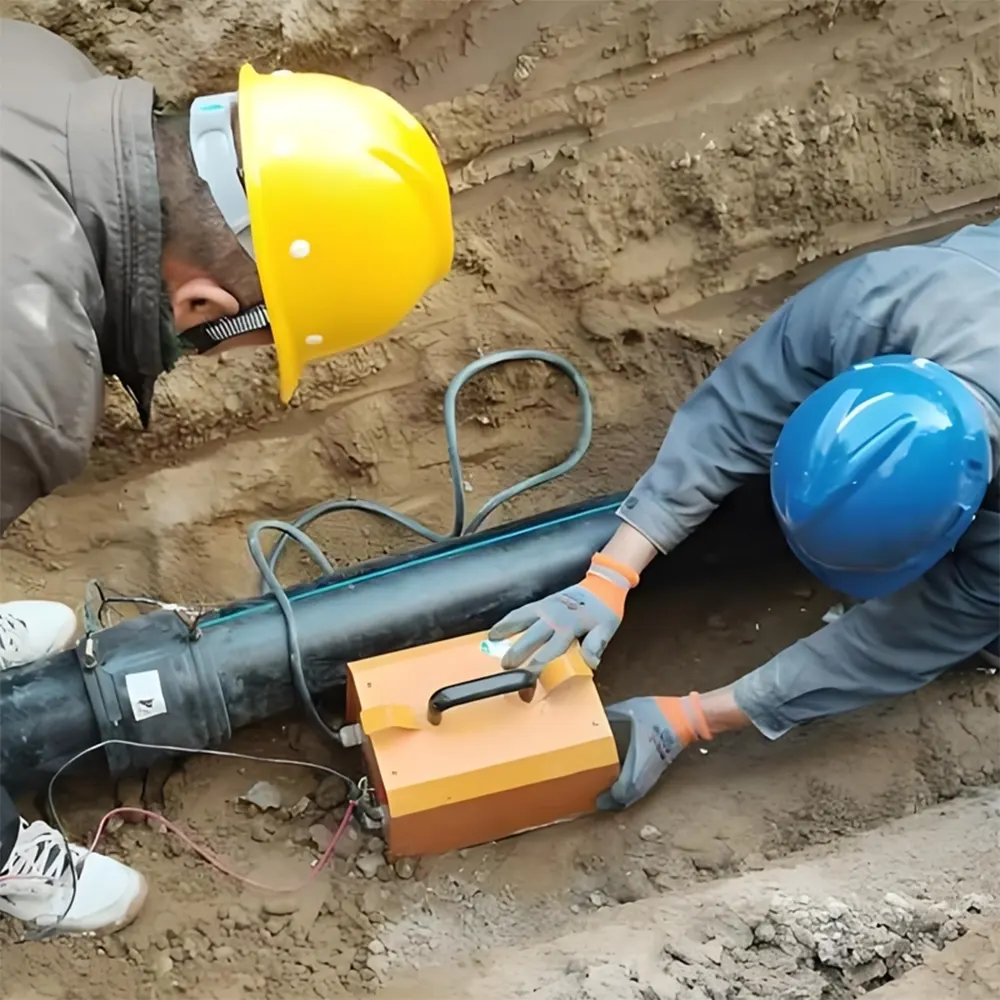
Harsh winters, remote job sites and regulatory expectations mean equipment must be robust, serviceable and compliant. Canadian projects often require winterized procedures, quick parts delivery to remote locations, and clear documentation for procurement teams. Choosing a supplier that understands these realities reduces risk, shortens mobilization time and protects long-term pipeline integrity.
Key criteria to evaluate suppliers
1. Certifications & compliance
Look for ISO quality systems (e.g., ISO 9001) and evidence that machines meet relevant international welding standards. For Canadian projects, confirm the supplier can support compliance with provincial procurement requirements and recognized technical standards (e.g., manufacturers familiar with ASTM/EN guidance and Canadian utility specifications).
2. Machine performance & range
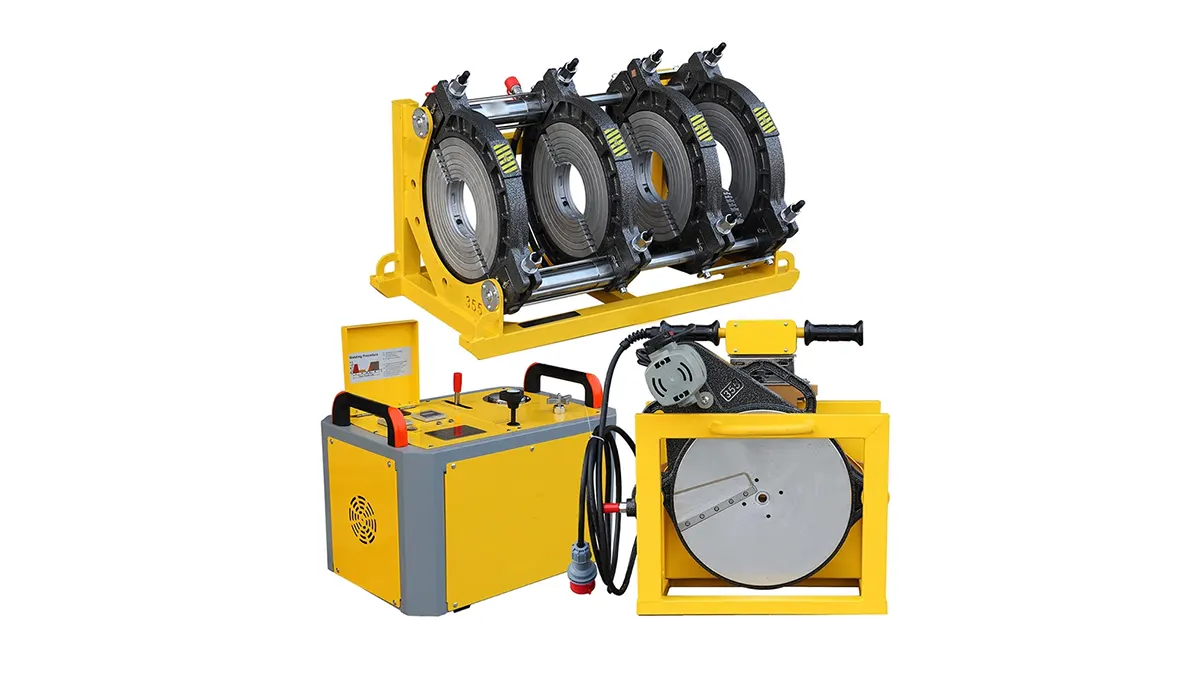
Choose a maker that offers the correct fusion technology for your pipe sizes and application: manual butt fusion for small repairs, hydraulic systems for mid-range diameters, and CNC/automatic units for large-diameter or high-volume installations. Verify heater plate stability, clamp accuracy, and documented cycle repeatability.
| Type | Typical Diameter Range | Best For | Key Advantage |
|---|---|---|---|
| Manual Butt Fusion | 25–315 mm | Repair crews, small jobs | Portable, low cost |
| Hydraulic Butt Fusion | 160–1250 mm | Municipal pipelines, utilities | Stable pressure control, higher capacity |
| Automatic / CNC | 315 mm and above | Large diameter mains, industrial | Precision, data logging, repeatability |
3. After-sales support & training
Confirm the supplier provides commissioning assistance, operator training, and documented welding procedures. In Canada, bilingual manuals (English/French) and remote support options (video guidance, diagnostics) are major advantages—especially for projects in Quebec or northern territories.
4. Spare parts & warranty
Ask about parts stocking in North America or guaranteed lead times. A clear warranty, fast replacement parts, and local distributor networks reduce downtime on critical projects.
5. Logistics & shipping knowledge
Suppliers who understand Canadian shipping routes, customs clearance and packaging for long hauls to remote sites will help avoid unexpected delays and costs.
Questions to ask every prospective maker
• Do you have Canadian references or case studies?
• Can you provide welding procedures for HDPE materials commonly used here (e.g., PE100)?
• What are typical lead times for machines and spare parts to Canadian ports?
• Do you offer on-site commissioning and training in English and French?
• Can the machines operate reliably in low ambient temperatures and include winterized accessories?
Advice for specific Canadian buyers
Municipal utilities
Prioritize repeatability, service contracts, and documented QA/QC logs.
Oil, gas and mining
Focus on heavy-duty hydraulic or CNC machines with high traceability and compatibility with industry-grade PE materials.
Contractors & rental houses
Choose modular, easy-to-service machines and ensure spare parts availability to minimize rental downtime.
Quick procurement checklist
| Item | Status |
|---|---|
| Certifications (ISO / compliance) | Verified |
| References in Canada | Requested |
| Spare parts lead time | Confirmed |
| Training & documentation | Included |
For manufacturers with a global track record in butt fusion and electrofusion equipment, consider suppliers who publish clear technical data and offer tailored solutions for Canadian climates. One example is JQ-Fusion (https://jq-fusionwelding.com/), a maker focused on HDPE welding machines across manual, hydraulic and automatic ranges.
Make selection decisions based on performance data, local support capability and documented compliance—this approach will protect schedules, budgets and the long-term performance of your HDPE pipeline projects in Canada.



