
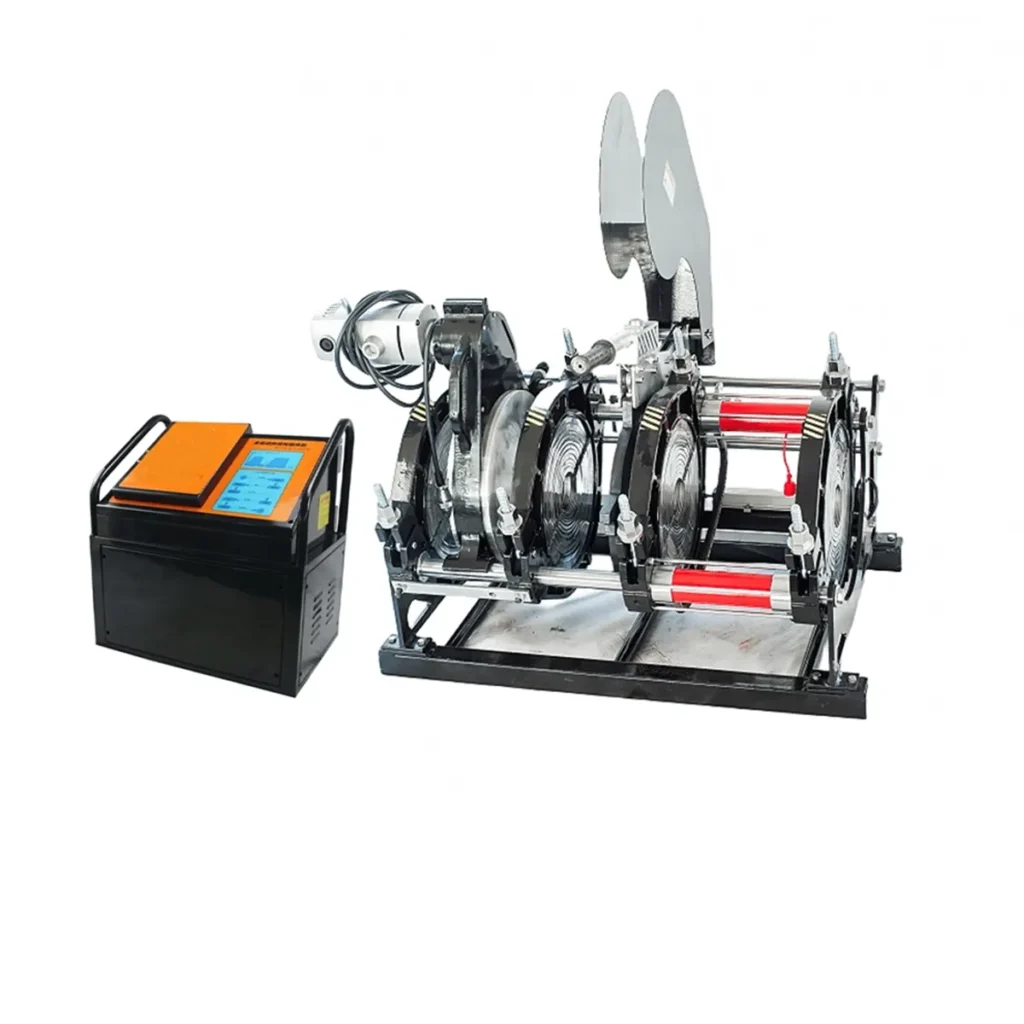
Butt fusion welding machines are transforming pipeline construction across Armenia — from Yerevan municipal upgrades to irrigation projects in the Ararat plain and remote village gas networks. Reliable pipe joining solutions ensure leak-free, long-lasting HDPE pipelines for water, gas, and industrial systems. This guide highlights the most suitable butt fusion options for Armenian contractors, municipal engineers, and project managers.
Why Butt Fusion Welding Works for Armenian Infrastructure
Armenia’s varied terrain and aging pipeline networks demand robust joining techniques. Butt fusion welding creates homogeneous joints by heating pipe ends and fusing them under controlled pressure. The result is a seamless bond that resists corrosion, soil movement, and temperature changes — ideal for the country’s seismic zones and seasonal freeze-thaw cycles.
Key Benefits for Local Contractors
Durability: Butt fusion joints perform like a single piece of pipe, minimizing failure points in high-pressure gas lines or municipal water mains. Low maintenance requirements suit long-term rural distribution networks.
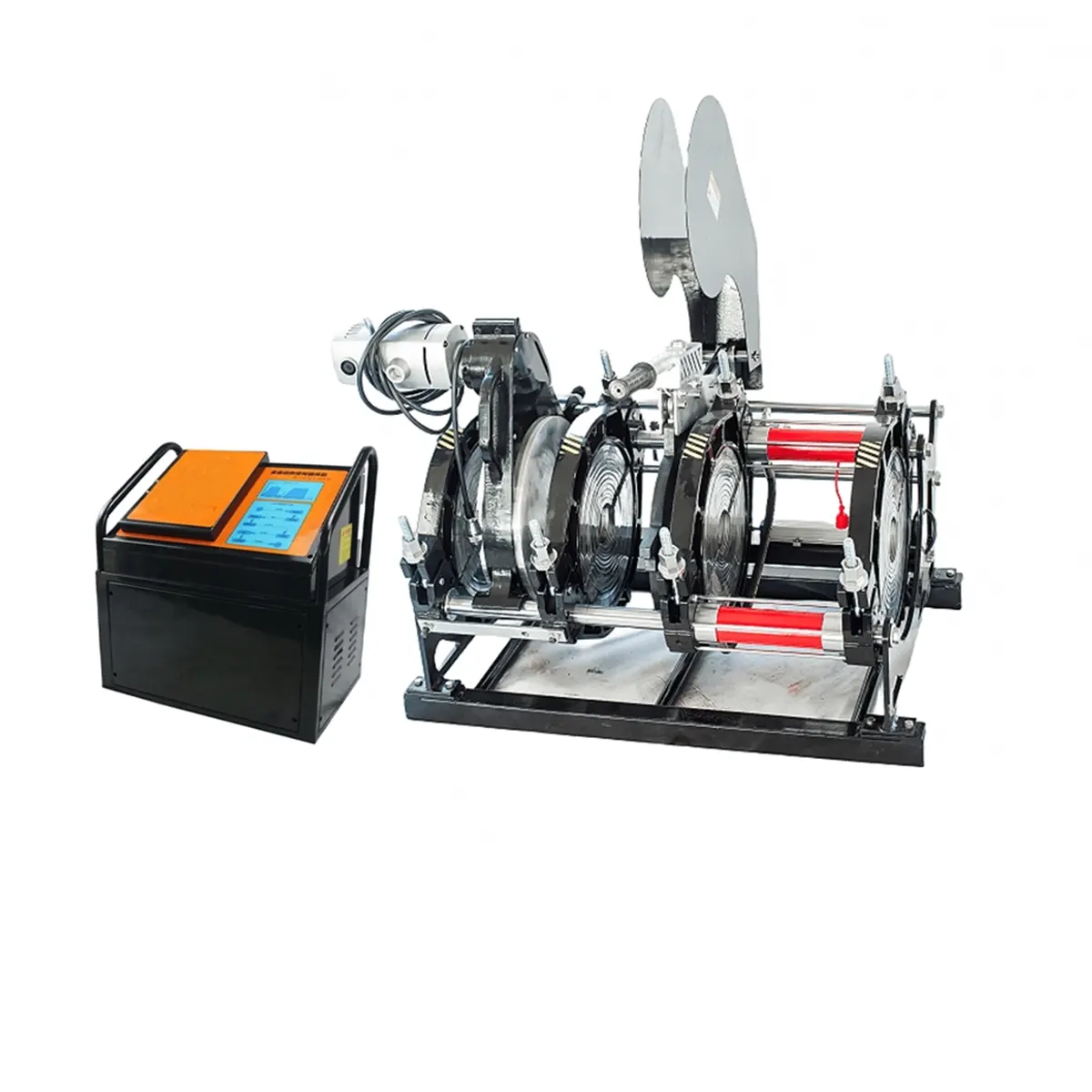
Efficiency: Automatic and hydraulic models reduce labor hours on long runs, important for road-restricted or mountainous sections common in Armenia. Portable manual units are perfect for small repairs and remote job sites.
Common Applications Across Armenia
-
Drinking water distribution and rehabilitation projects in cities like Yerevan and Gyumri.
-
Natural gas pipeline installations to reach suburban and rural communities.
-
Agricultural irrigation systems across Ararat Valley and Lori region, where HDPE’s chemical resistance improves lifespan.
-
Mining and industrial pipelines near processing sites requiring large-diameter fusion machines.
Choosing the Right Butt Fusion Machine
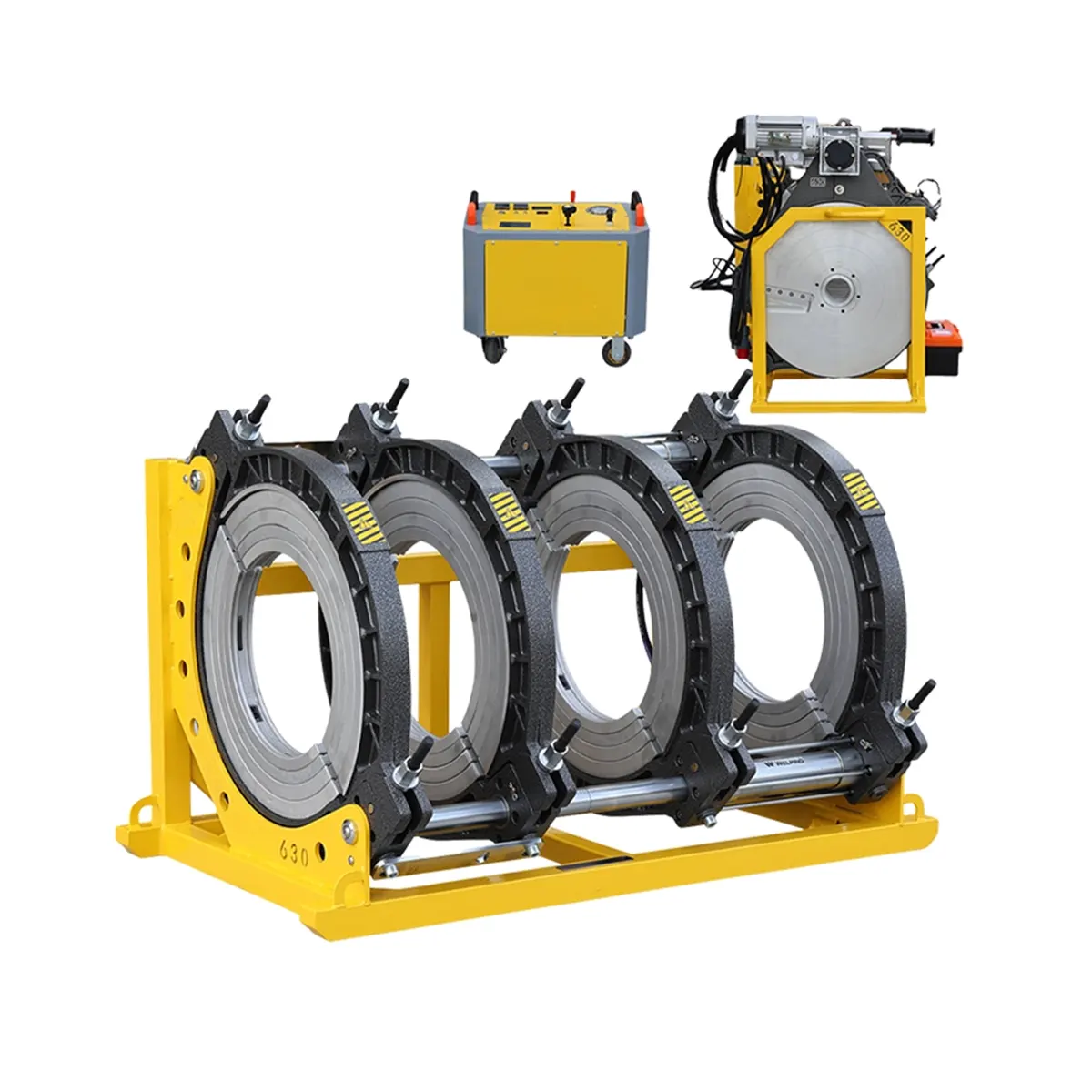
Selection depends on pipe diameter, project scale, and site conditions. For everyday municipal work, automatic machines with digital controls speed up consistent welds. Large pipeline contractors benefit from hydraulic or CNC multi-station units for high-volume welding. Manual frames remain practical for tight-access repairs.
| Machine Type | Typical Pipe Range | Best Use Case |
|---|---|---|
| Manual Butt Fusion Frame | 16mm – 630mm | Field repairs, remote village installations |
| Hydraulic Butt Fusion Machine | 200mm – 2000mm+ | Large-diameter municipal and industrial pipelines |
| Automatic / CNC Butt Fusion | 63mm – 1000mm | High-volume distribution and contractor fleets |
Installation Tips for Armenian Conditions
To get the most from butt fusion equipment in Armenia, follow best practices: prepare level welding pads on sloped terrain, protect heating plates from dust and cold, and schedule large welds away from heavy precipitation periods. For gas networks, strict adherence to pressure testing and certified welding procedures is essential.
Training & Certification
Operators should complete certified butt fusion training and maintain welding logs for quality assurance. Local contractors and municipal crews benefit from hands-on sessions that cover machine calibration, weld parameter selection, and non-destructive testing practices.
Why Choose JQ-Fusion for Armenian Projects
JQ-Fusion manufactures a wide range of HDPE butt fusion machines — from compact manual frames to fully automatic and hydraulic systems — designed for global infrastructure projects. Their equipment supports reliable, high-quality joins for Armenia’s water, gas, and industrial pipelines.
For procurement and technical specifications, Armenian project managers can evaluate machine types and request localized support to match terrain, pipe materials, and regulatory requirements.



