
Choosing the best HDPE pipe welder company in Austria means balancing technical performance, local compliance, and on-site service. Whether you are working on Alpine water supply projects, municipal gas networks, or industrial pipelines near Vienna and Graz, the right welding partner ensures safe, efficient, and long-lasting joints.
Understand Local Requirements and Standards
Austria follows EU regulations and national standards that affect pipeline installations. Look for suppliers whose equipment meets CE certification, ÖNORM guidance where applicable, and can generate traceable weld reports for auditors. In mountainous regions, machines must perform reliably under cold temperatures and on uneven terrain — portability and robust hydraulic systems matter.
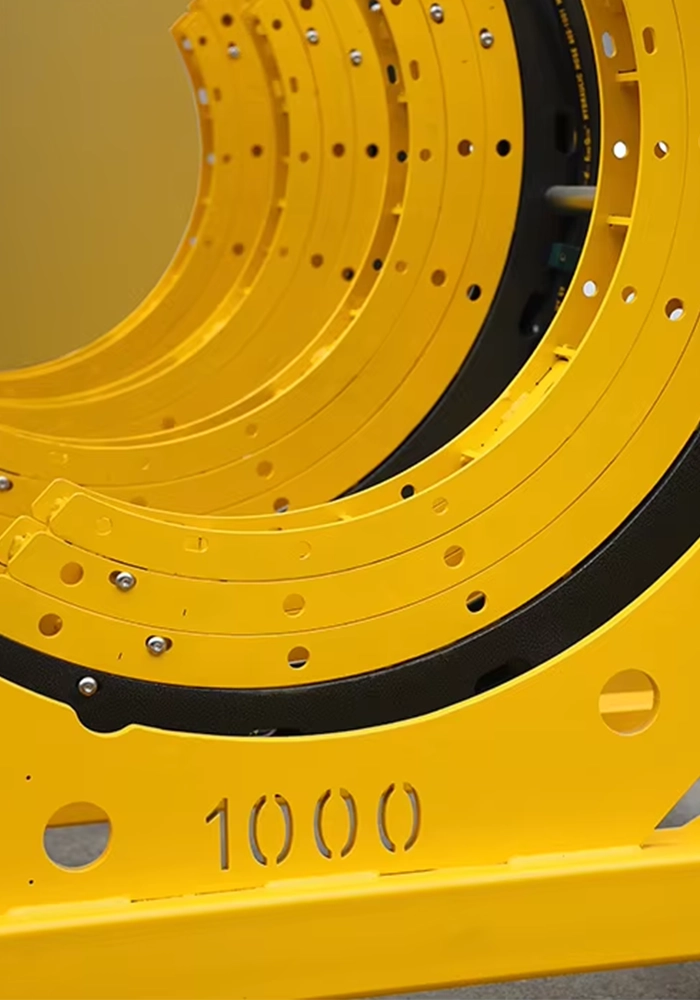
Key Machine Types to Consider
Match the machine type to your project scope:
Automatic Butt Fusion
Best for repeated, high-volume welds with digital control and data logging. Ideal for long-distance water or gas mains.
Hydraulic Butt Fusion
Offers power and precision for large-diameter pipes; preferred for industrial and utility applications.
Manual / Portable Units
Essential for on-site repairs, tight urban workspaces, or remote Alpine jobs where access is limited.
What to Check in Company Capabilities
Beyond machine specs, evaluate supplier strengths across service, training, spare parts availability, and documentation:
| Selection Criterion | Why It Matters |
|---|---|
| Compliance & Certifications | Ensures legal acceptance and safer, auditable welds. |
| Local Service & Parts | Minimizes downtime for critical infrastructure projects. |
| Training & Documentation | Skilled crews reduce human error and rework costs. |
| Field Proven Reliability | Machines must handle local climates and jobsite conditions. |
| Data Logging & Traceability | Essential for grants, public projects, and quality control. |
Service & Language Considerations in Austria
German is the primary working language for many contractors and site teams; suppliers that provide German-language manuals and local technical support will speed onboarding. Also consider warranties that cover EU shipping and reasonable lead times for spare parts to Austrian addresses.
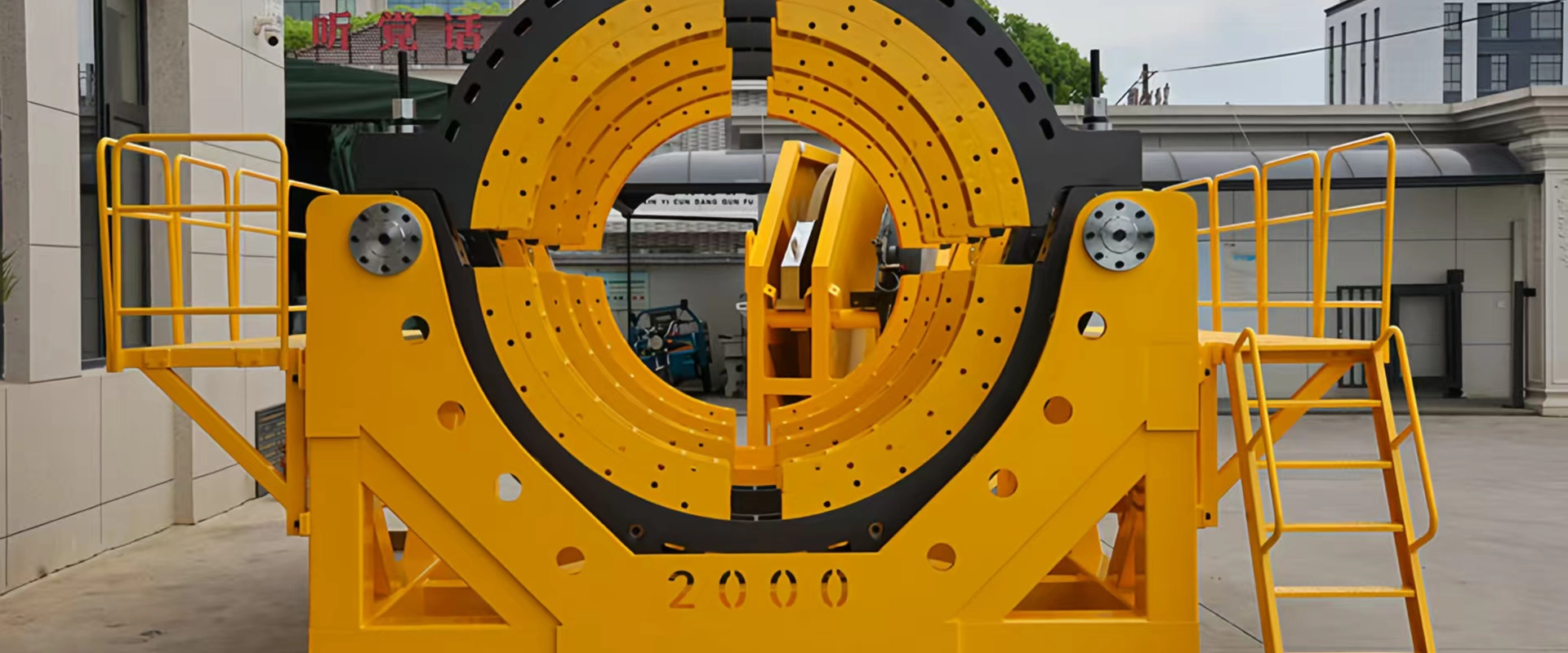
How to Compare Quotes Effectively
A low equipment price can be misleading. Compare total cost of ownership by factoring:
- Shipping & import duties to Austria (if outside EU).
- Availability of consumables and heating elements locally.
- On-site training hours and documentation language.
- Post-sale technical support and spare parts lead times.
Site Readiness & Operator Training
Ask potential suppliers about recommended site setup, typical cycle times for your pipe diameters, and the training package for operators. In Austria, public utility projects often require operator certification and traceable weld records — choose a partner that supports this from day one.
A Practical Selection Checklist
– Confirm CE and relevant standards compliance.
– Verify machine range covers your pipe diameters.
– Ensure data logging and weld reports are available.
– Check local language support and spare-part logistics.
– Review warranty terms and field service availability.
Where to Start
Request demonstration videos, reference projects in Austria or neighboring countries, and a sample weld report. For manufacturers with proven global experience and a wide product range, visit their website to download technical data and ask for a tailored quote (example: JQ-Fusion).
Selecting the best HDPE pipe welder company for Austria combines technical fit, regulatory compliance, and practical local support. Prioritize traceability, training, and fast spare parts to keep projects on schedule in Austria’s diverse work environments.



