
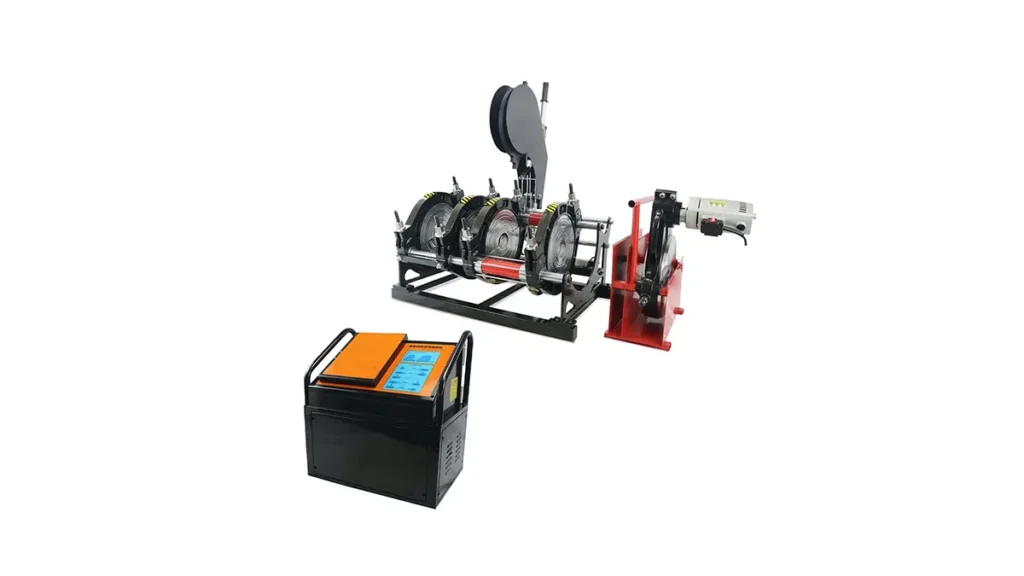
Choosing the right HDPE pipe welding machine is not just a purchasing decision; it is a long-term investment in welding quality, project efficiency, and operational reliability. In water supply, gas distribution, mining, and industrial pipeline construction, the machine you select directly affects joint strength, installation speed, and maintenance costs. That is why many contractors, distributors, and engineering teams start with a comparison chart before making a final choice.
Tip: A good comparison chart should help you quickly match pipe diameter, control method, budget, and site conditions with the right machine model.
When buyers search for the best HDPE pipe welding machine comparison chart, they are usually trying to solve one simple problem: which welding machine is the best fit for their project? The answer depends on several factors, including pipe size, welding accuracy, automation level, power requirements, and after-sales support. A machine that works well for a small municipal water line may not be suitable for a high-volume industrial pipeline project. Likewise, a fully automatic system may be unnecessary for a contractor who only needs a portable solution for occasional field work.
For that reason, a structured comparison is far more useful than browsing products one by one. It allows you to evaluate performance from multiple angles and avoid costly mistakes. If you want to explore a professional solution from a trusted manufacturer, you can review the official butt fusion machine source for product categories, technical support, and customization options.
Why a Comparison Chart Matters
Buying a welding machine without a comparison chart is like selecting a pipe joint without checking alignment. You may end up with equipment that is too small, too complex, or too expensive for your actual needs. A comparison chart helps transform technical data into practical decisions. It highlights the differences between manual, hydraulic, and CNC automatic machines, making it easier to see where each model performs best.
For example, manual butt fusion machines are often selected for budget-sensitive jobs and smaller pipe diameters. Hydraulic models provide greater stability and are widely used in medium- to large-scale projects. CNC automatic systems offer the highest level of control, repeatability, and welding consistency, making them ideal for demanding professional applications.
Key point: The best machine is not the most expensive one; it is the one that matches your pipe range, project workload, and required precision.
Main Types of HDPE Pipe Welding Machines
To choose the right machine, it helps to understand the major categories available in the market. Each type serves a specific purpose and offers different levels of control, mobility, and productivity.
Manual Butt Fusion Machines are simple, affordable, and suitable for small projects. They are easy to operate and maintain, making them a practical choice for contractors who need basic fusion capability.
Hydraulic Butt Fusion Machines use hydraulic pressure to improve clamping force and welding stability. They are often preferred for medium and large pipe diameters because they provide better consistency and reduced operator effort.
CNC Automatic Butt Fusion Machines are designed for precision-focused projects. They automate many welding steps, reduce human error, and provide strong repeatability for professional pipeline operations.
In addition to these main types, many projects also require specialized solutions such as electrofusion welding machines and multi-angle pipe fitting welding machines. These are useful in scenarios where standard butt fusion methods are not enough or where pipe layout conditions require more flexibility.
How to Read a Comparison Chart Effectively
A useful comparison chart should do more than list machine names. It should show the factors that matter most in real project use. Below are the most important elements to compare before making a final purchase decision.
1. Pipe Diameter Range
The first thing to check is whether the machine supports the pipe sizes required by your project. Some machines are made for small-diameter HDPE pipes, while others are engineered for large municipal or industrial networks. Selecting a machine with the wrong diameter range can reduce welding quality and limit future project flexibility.
2. Control Method
Control method affects both ease of use and welding precision. Manual machines are simpler but require more operator involvement. Hydraulic models improve repeatability. CNC automatic systems offer the highest level of process control and are especially useful where strict welding standards must be maintained.
3. Temperature Stability
Stable heating is essential for a strong fusion joint. If temperature fluctuates too much, the welded seam may become weak or inconsistent. Good machines should maintain accurate temperature control throughout the welding cycle, especially in long working sessions or changing site conditions.
4. Hydraulic Pressure Accuracy
For hydraulic and automatic machines, pressure accuracy is one of the most important performance indicators. Reliable pressure control helps ensure uniform joint formation and reduces the risk of weak or overheated welds. This is why professional manufacturers test hydraulic stability before delivery.
5. Portability and Site Conditions
Some projects take place in narrow trenches, remote mountain areas, or crowded construction sites. In these environments, portability matters. A machine that is too large or too complex may slow down the team rather than improve productivity. Always evaluate the worksite before selecting equipment.
Practical advice: If your project is mobile and the pipe sizes vary, choose a model that balances performance with transport convenience.
Comparison Table: Which Machine Fits Which Project?
| Machine Type | Best For | Main Advantage | Typical Buyer |
|---|---|---|---|
| Manual Butt Fusion | Small-diameter pipes, low-budget jobs | Simple operation, lower cost | Small contractors, maintenance teams |
| Hydraulic Butt Fusion | Medium to large pipeline projects | Stable clamping, better consistency | Professional installers, distributors |
| CNC Automatic Butt Fusion | High-precision and high-volume projects | High repeatability, reduced error | Large contractors, industrial users |
| Electrofusion Welding | Specific fittings and repair work | Flexible connection method | Utility repair teams |
What Makes a Good Manufacturer Different
The best machine comparison chart is not complete without considering the manufacturer behind the equipment. A machine may look impressive on paper, but if the supplier lacks production capability, quality control, or technical support, the purchase can become risky. This is why many buyers choose manufacturers with proven industry experience and strong service systems.
JQ-Fusion, for example, focuses on HDPE pipe welding machines and has more than 20 years of industry experience. Their product line covers manual, hydraulic, and CNC automatic butt fusion welding machines, serving projects across water supply systems, gas networks, mining operations, and industrial pipeline installations. The company also emphasizes modern manufacturing technology, strict quality inspection, and flexible OEM & ODM customization.
Why this matters: A reliable manufacturer can help you choose the right machine, adapt voltage or design requirements, and provide support long after the sale.
Important Features to Look For Before Buying
Before making your final choice, check whether the machine includes the features below. These details often determine how well the equipment performs in actual field use.
Stable performance: The machine should maintain consistent output during extended operation. Stable performance improves joint quality and reduces rework.
Accurate alignment: Good clamp alignment is essential for producing smooth, strong fusion joints. Misalignment can weaken the pipe connection.
Quality materials: Durable frames, reliable heating plates, and strong hydraulic components help extend machine service life.
Customization options: OEM and ODM support can be valuable if you need a branded machine, a special voltage, or a project-specific configuration.
Training and after-sales support: Even a high-quality machine requires proper operation. Technical guidance can reduce downtime and improve welding efficiency.
A Simple Decision Framework
If you are still unsure which machine is the best choice, use this decision framework to narrow down your options.
Choose a manual machine if you mainly handle smaller jobs, want lower upfront cost, and need a straightforward tool for basic fusion work.
Choose a hydraulic machine if your work involves regular field projects, medium-to-large pipes, and a need for better stability and ease of use.
Choose a CNC automatic machine if your projects require high precision, repeatability, and professional-grade performance with minimal operator variation.
Choose a manufacturer with customization support if your market requires special voltage, branding, color, or a machine layout adapted to local standards.
Remember: The machine should fit your project, not the other way around.
Why JQ-Fusion Is Often Considered in Comparisons
When buyers compare suppliers, they often look for a combination of manufacturing strength, product range, stock availability, and technical support. JQ-Fusion stands out because it offers a broad lineup that includes hydraulic butt fusion welding machines, automatic butt fusion welding machines, electrofusion welding machines, and multi-angle pipe fitting welding machines. This range makes it easier for customers to source multiple solutions from one supplier.
The company also highlights strict quality control, including tests for temperature accuracy, hydraulic pressure stability, and clamp alignment inspection. For global buyers, these checks matter because they reduce the risk of installation failure and improve confidence in long-term use. In addition, large inventory capacity and fast delivery support urgent project timelines, which is especially important for contractors who cannot afford delays.
If you are comparing suppliers from a business perspective, strong OEM & ODM capability can also create value. It allows distributors to build their own brand and helps engineering companies adapt machines to specific project requirements.
Common Mistakes to Avoid
Many buyers focus only on price and overlook technical fit. This is one of the most common mistakes in machine selection. A low-cost machine may seem attractive at first, but if it cannot handle the required pipe diameter or maintain accurate welding conditions, the total project cost may rise quickly.
Another mistake is ignoring after-sales service. In pipeline construction, downtime is expensive. If a machine is difficult to maintain or the supplier cannot provide timely support, the overall value of the purchase drops significantly. Buyers should also avoid choosing a machine without checking voltage compatibility, especially when importing equipment for use in different countries or regions.
A smart buyer looks beyond the brochure. They compare performance, durability, service, and adaptability before placing an order.
Conclusion
Finding the best HDPE pipe welding machine comparison chart for choosing the right machine means looking at both technical data and practical project needs. The best choice will depend on pipe size, welding method, automation level, site conditions, and supplier reliability. Manual machines are suitable for simpler work, hydraulic machines balance flexibility and stability, and CNC automatic machines deliver the highest precision for demanding applications.
By comparing features carefully and selecting a manufacturer with proven experience, you can reduce welding risks, improve installation efficiency, and support long-term project success. Whether you are a contractor, distributor, or project manager, a clear comparison chart is one of the most effective tools for making a confident decision.
FAQ
Q1: What is the most important factor when choosing an HDPE pipe welding machine?
The most important factor is whether the machine matches your pipe diameter range and project requirements. After that, consider control method, pressure stability, and support service.
Q2: Is a CNC automatic machine always better than a hydraulic machine?
Not always. CNC automatic machines offer higher precision, but hydraulic machines may be more practical and cost-effective for many projects. The best choice depends on workload and budget.
Q3: Why should I choose a manufacturer with OEM & ODM support?
OEM & ODM support helps you customize machine size, voltage, branding, and design. This is especially useful for distributors and large projects with special requirements.
Q4: Can one machine handle all HDPE pipe sizes?
Usually not. Each machine has a defined diameter range, so it is important to choose a model that fits the pipe sizes you use most often.
Q5: How do I reduce the risk of buying the wrong machine?
Compare technical specifications, confirm voltage and pipe size compatibility, review manufacturer quality control, and choose a supplier that offers strong technical support.



