When buyers start comparing HDPE welding machine cost and performance, the first mistake is often looking only at the price tag. In real pipeline projects, the cheapest machine is not always the most economical, and the most expensive one is not always the best fit. The true value comes from understanding how a machine performs under pressure, how stable it is during long production cycles, and how much it costs to operate over time.
For contractors, distributors, and project owners working with water supply systems, gas distribution networks, mining sites, or industrial piping, the selection process should be based on total value rather than initial investment alone. A machine that heats evenly, aligns pipes accurately, and maintains pressure stability can reduce welding defects, avoid rework, and save a significant amount of labor and material costs. That is why the conversation about cost must always be paired with performance.
Key idea: the best value is not the lowest price, but the strongest balance between purchase cost, durability, welding quality, and after-sales support.
1. What “Cost” Really Means in HDPE Welding Machine Selection
Many buyers think the machine cost refers only to the amount paid at the time of purchase. In practice, the cost includes several layers: machine price, transport, installation, operator training, energy use, maintenance, replacement parts, and the losses caused by downtime or poor welding performance. A low-cost machine may look attractive on paper, but if it requires frequent repairs or produces inconsistent joints, the final expense can become much higher.
To compare cost correctly, it helps to break it into upfront cost and lifecycle cost. Upfront cost is easy to calculate. Lifecycle cost is more strategic. It includes how long the machine lasts, how easy it is to maintain, and how much productivity it can deliver over months or years of use. This is especially important for contractors handling recurring projects.
For a broader industry view and product category reference, many buyers explore a professional butt fusion machine supplier to evaluate options across manual, hydraulic, and automatic models. A reliable manufacturer can help clarify what features truly matter for each pipe diameter and job type.
2. Performance Factors That Directly Affect Project Value
Performance is what turns a welding machine from a simple piece of equipment into a project efficiency tool. In HDPE fusion welding, the most important performance factors include temperature control accuracy, hydraulic pressure stability, clamp alignment, heating plate quality, and overall machine rigidity. If any of these elements are weak, the fusion seam may become unreliable.
Temperature accuracy matters because HDPE pipe welding requires a stable heating environment. If the temperature fluctuates too much, the molten surface may be too shallow or too deep, which affects bond strength. Pressure stability is equally important because the fusion process depends on consistent force during heating, joining, and cooling.
Another major factor is alignment precision. If the pipe ends are not held in correct alignment, the joint may develop stress points that reduce long-term reliability. In large pipeline projects, even a small alignment error can lead to quality problems across many joints, increasing both repair costs and safety risk.
Performance checklist: stable heating, smooth hydraulic operation, accurate clamp alignment, durable frame structure, and easy operator control.
3. Manual, Hydraulic, and CNC Automatic Models: Which One Offers Better Value?
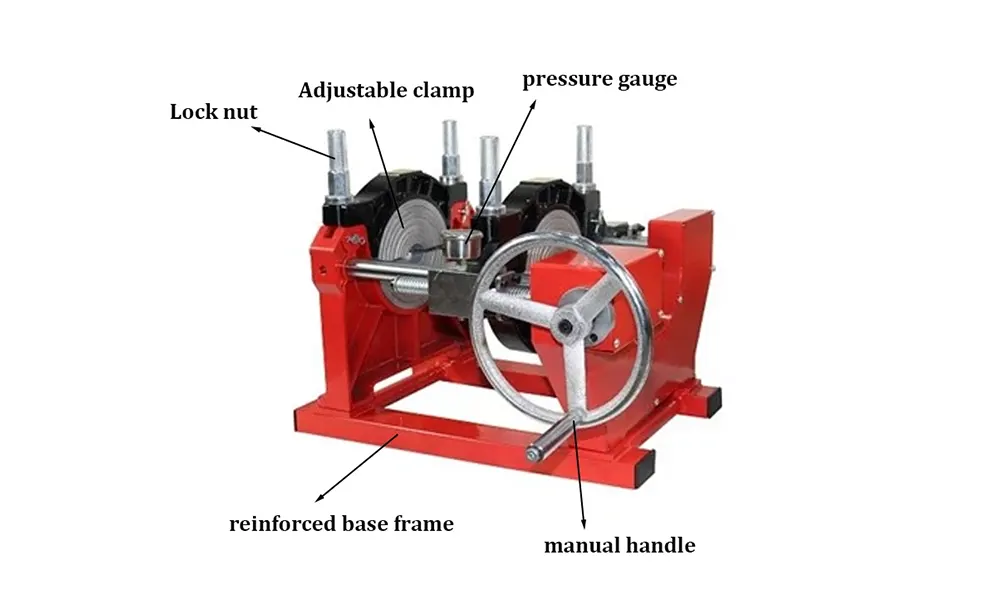
Different machine types serve different budgets and project requirements. Manual butt fusion machines are usually the most affordable entry option. They are suitable for smaller jobs, simple site conditions, and buyers who need a lower initial investment. However, they often depend more heavily on operator skill, which can affect consistency.
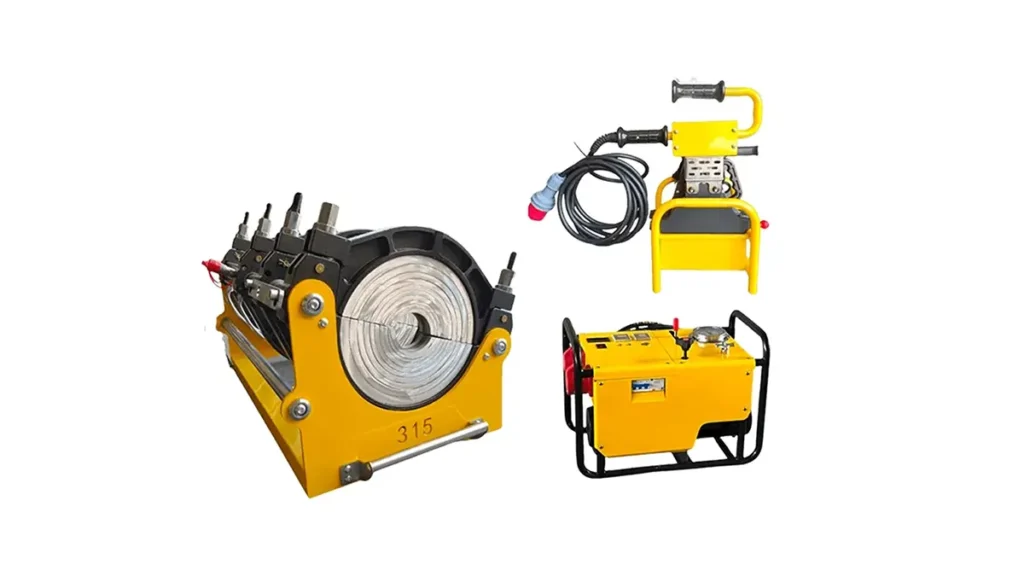
Hydraulic models usually provide a stronger balance between cost and performance. They are widely used because they improve pressure control and reduce manual effort, making them a practical choice for medium to large projects. For many buyers, this category offers the best value because it combines reliability, productivity, and manageable purchase cost.
CNC automatic machines sit at the premium end of the market. They cost more, but they can deliver highly consistent results, reduce dependence on operator experience, and improve efficiency in high-volume or high-standard projects. If your project requires strict quality control or repetitive welding work, the extra investment may pay back through lower labor cost and fewer defects.
In short, the best model depends on the project scale. A small contractor may not need full automation, while a large utility or industrial installer may save more in the long run with a higher-end system. Cost and performance should always be matched to actual job needs.
4. How Manufacturing Quality Changes the Value Equation
Two machines may look similar in photos and even share similar specifications, but their real-world performance can be very different. That difference often comes from manufacturing quality. Precision machining, weld frame strength, hydraulic system reliability, and component sourcing all affect whether the machine performs consistently in field conditions.
JQ-Fusion, as a professional manufacturer with over 20 years of experience, focuses on stable production, strict inspection, and customization support for global projects. In practical terms, this matters because buyers are not only purchasing hardware; they are buying confidence in results. A machine built with accurate machining and tested for temperature accuracy and hydraulic stability is less likely to fail during critical operation.
When a manufacturer offers OEM and ODM customization, buyers can also adapt machine size, voltage, color, branding, and functional configuration to the target market or project site. That flexibility can increase commercial value for distributors and reduce operational mismatch for contractors.
Why quality matters: better machining and testing usually mean fewer breakdowns, stronger joints, longer service life, and lower total ownership cost.
5. The Hidden Cost of Poor Welding Performance
A machine with a lower purchase price can become expensive very quickly if its performance is weak. Poor welding performance often leads to visible and hidden losses. Visible losses include rework, rejected joints, extra labor, and wasted pipe material. Hidden losses include project delays, damaged client trust, and safety concerns that can affect future contracts.
In water or gas pipeline systems, even a minor joint failure can create serious consequences. That is why buyers should be careful when evaluating the “cheap option.” If the machine cannot maintain repeatable performance, the savings disappear. In some cases, a higher-quality machine delivers better return on investment because every successful weld contributes to smoother project execution.
Long-term value is often improved by machines that are easier to maintain and supported by spare parts availability. Fast technical response and reliable logistics can significantly reduce downtime, especially when project schedules are tight.
6. How to Compare Cost vs Performance in a Practical Way
The smartest way to compare HDPE welding machine options is to create a simple decision framework. Start by listing your pipe diameters, material types, welding frequency, site conditions, and quality standards. Then compare each machine based on the following points:
1) Purchase price — Is the budget realistic for your project scale?
2) Performance stability — Can the machine maintain reliable temperature, pressure, and alignment?
3) Service life — How long is the machine expected to work under regular use?
4) Maintenance needs — Are parts easy to replace, and is support available?
5) Training and usability — Can operators use it efficiently without excessive learning time?
When you compare machines this way, the decision becomes much clearer. A moderate-price machine with strong performance may beat a lower-price machine with frequent failures. Likewise, a premium machine is only justified if the project truly needs its advanced capability.
7. Why Supplier Support Should Be Part of the Value Calculation
Many buyers overlook support services when calculating machine value. Yet technical support, shipment speed, installation guidance, and training can have a direct impact on project success. A supplier with strong engineering support can help match the right machine to the right application, preventing expensive selection mistakes.
JQ-Fusion emphasizes global support, fast response, and efficient logistics. For overseas buyers, this can reduce the risk of delays and improve confidence in the purchase. If a machine is affordable but difficult to support, its value may be weaker than a slightly higher-priced product backed by better service.
Support also matters after delivery. When operators need help with setup, calibration, or troubleshooting, responsive service can prevent production stoppages. For contractors working under deadline pressure, this can be as valuable as the machine itself.
8. What Buyers Should Expect from a Reliable Manufacturer
A dependable manufacturer should offer more than a product catalog. They should provide clear technical parameters, quality assurance testing, stable stock supply, and customization options. They should also be able to explain why one model is better than another for a given pipe size or application.
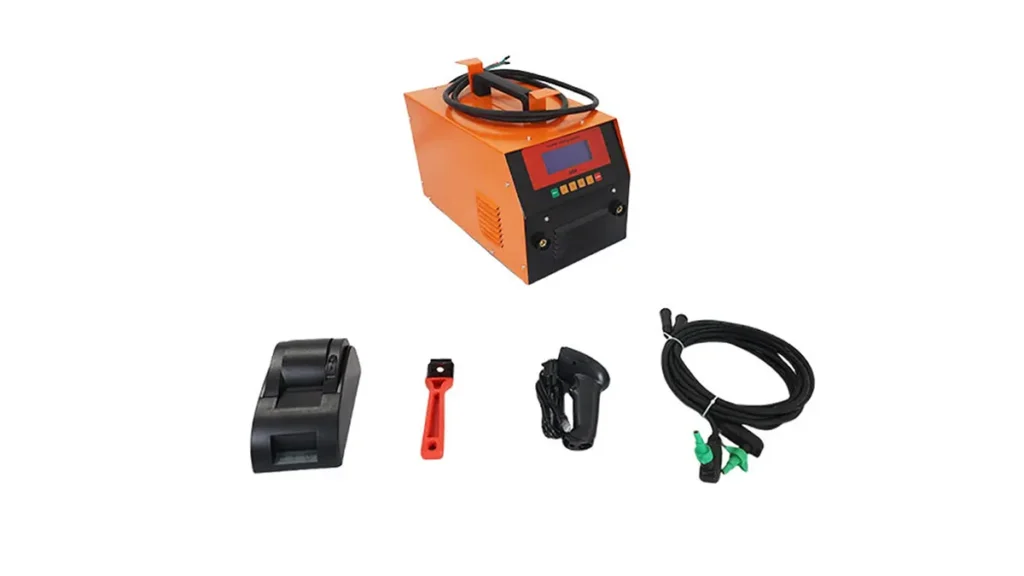
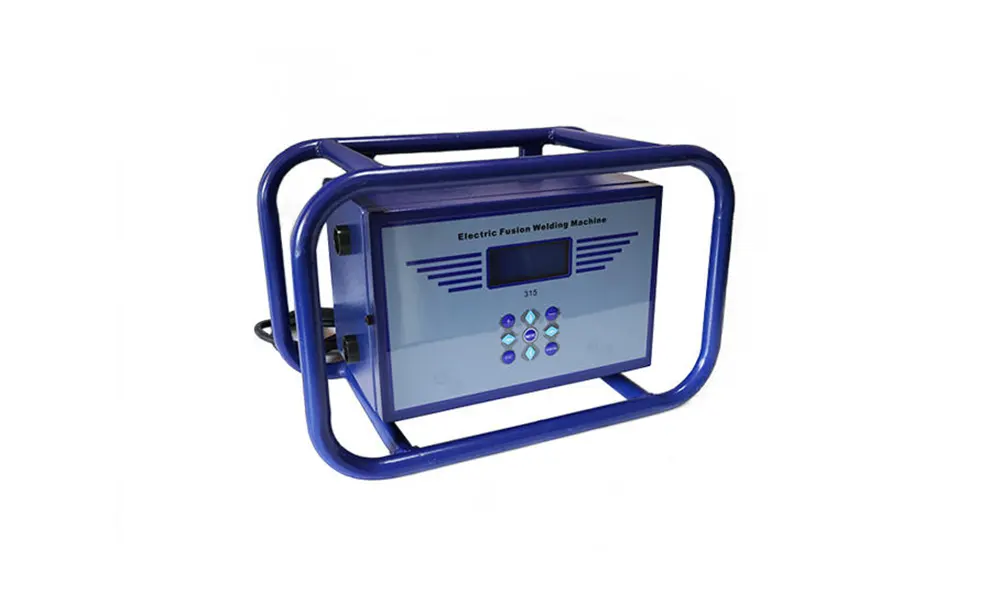
JQ-Fusion’s product range includes hydraulic butt fusion welding machines, automatic butt fusion welding machines, electrofusion welding machines, and multi-angle pipe fitting welding machines. This range helps buyers compare solutions across different project needs instead of forcing one machine type to fit every situation.
In addition, certified manufacturing is a strong indicator of trust. Compliance with international standards and SGS certification can give buyers more confidence in product reliability and safety, especially for global pipeline projects where performance expectations are high.
Buyer tip: ask for real testing details, spare parts availability, voltage options, and project references before choosing the lowest price.
9. Best Value Is the Point Where Cost and Reliability Meet
There is no single “best” HDPE welding machine for every buyer. The best value appears when the machine matches the project scale, welding frequency, operator skill level, and quality expectations. A machine that is too basic can slow production, while one that is too advanced may waste budget if its features are never fully used.
For many buyers, the ideal choice is a machine that provides dependable performance, reasonable purchase cost, and strong support after sale. That balance is often more important than chasing the lowest invoice price or the most advanced specification list. The right machine should help you complete more reliable welds with less stress, fewer delays, and lower long-term cost.
If your work involves frequent field welding and you need dependable production output, investing in better build quality and stronger technical support is usually the smarter decision. Value is created when the machine helps the project finish faster, cleaner, and with fewer repair issues.
FAQs
Q1: Is a cheaper HDPE welding machine always a worse choice?
Not always. If the project is small and the machine is used occasionally, a lower-cost model may be enough. But for frequent use, poor performance can increase total cost.
Q2: Which machine type gives the best overall value?
For many users, hydraulic butt fusion machines offer the best balance of cost, performance, and ease of operation. The right choice still depends on project size and quality needs.
Q3: What performance feature matters most?
Temperature accuracy, pressure stability, and pipe alignment are the most important factors because they directly affect weld quality and long-term joint reliability.
Q4: Why should support services be included in the comparison?
Because technical guidance, spare parts, and fast response reduce downtime and help projects stay on schedule, which increases the machine’s real value.
Q5: How can I avoid buying the wrong machine?
Define your pipe size, usage frequency, site conditions, and budget first, then compare machines by lifecycle cost, welding consistency, durability, and supplier support.