
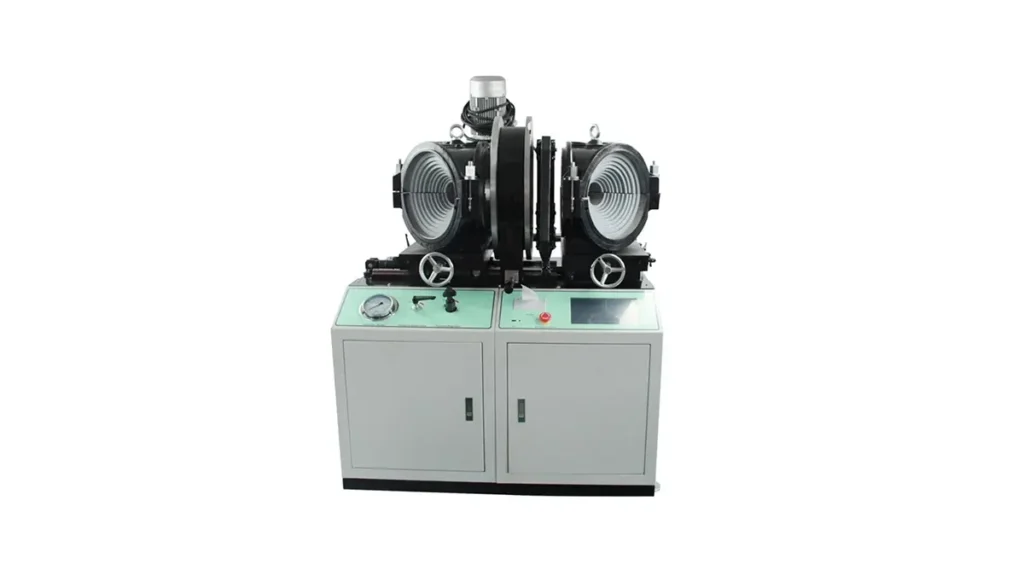
In the global pipeline industry, welding technology is more than a production tool; it is a critical part of infrastructure development, energy delivery, and industrial expansion. As governments, contractors, and distributors continue to invest in water, gas, mining, and utility networks, one question becomes increasingly important: what is the global trade outlook for pipe welding equipment? The answer reflects not only demand trends, but also manufacturing capability, technological improvement, supply chain resilience, and the growing need for reliable field performance.
Pipe welding equipment has moved far beyond basic joining tools. Today, buyers expect stable output, precise control, durable components, and compatibility with a wide range of pipe diameters and materials. In international markets, these expectations are shaping purchasing decisions, trade flows, and supplier relationships. For companies serving global projects, especially those looking for a dependable butt fusion machine, the outlook remains strongly influenced by infrastructure demand and the push for higher quality standards.
Global Demand Is Rising Across Multiple Sectors
The trade outlook for pipe welding equipment is supported by steady demand from several key industries. Water supply systems continue to expand in both developed and emerging economies, while gas distribution networks require safe, durable, and efficient joining systems. Mining projects, industrial facilities, irrigation systems, and municipal pipeline upgrades also contribute to long-term demand. Each of these sectors depends on welding equipment that can perform consistently under real project conditions.
Key market driver: infrastructure modernization is accelerating worldwide, creating a stronger need for pipe welding machines that are reliable, easy to operate, and suitable for both small and large-diameter pipelines.
In many regions, governments are prioritizing essential infrastructure investments. This includes replacing aging water pipelines, building new gas networks, and supporting industrial expansion. As a result, trade in welding equipment is no longer limited to a few mature markets. Instead, it is becoming increasingly global, with buyers sourcing machines from manufacturers that can offer both technical performance and export-ready service.
The Market Is Shifting Toward Smarter and More Stable Equipment
International buyers are paying more attention to machine stability, automation, and precision. Manual systems still have a place in certain applications, but hydraulic and CNC automatic butt fusion welding machines are becoming more attractive as project complexity increases. These systems help reduce human error, improve repeatability, and support larger-scale pipeline construction.
As competition grows in the global trade environment, manufacturers must offer more than basic functionality. They are expected to provide machines with accurate temperature control, stable hydraulic pressure, strong clamp alignment, and efficient operation over long working cycles. This is especially important for contractors handling projects where welding quality directly affects safety and service life.
Trade note: equipment with advanced control systems and stronger quality assurance tends to gain more attention in export markets because it reduces downtime, improves welding consistency, and supports professional project execution.
Why Manufacturing Capability Matters in Global Trade
One of the most important factors affecting the trade outlook for pipe welding equipment is manufacturing capability. Buyers want suppliers that can deliver consistent quality, provide customization, and respond quickly to project demands. This is where experienced manufacturers gain a clear advantage. Companies with modern production lines, precision machining, and strict testing systems are better positioned to compete in international markets.
For example, JQ-Fusion focuses on HDPE pipe welding machines and provides manual, hydraulic, and CNC automatic butt fusion solutions for a wide range of pipe diameters. With more than 20 years of experience, the company reflects a broader trend in global sourcing: customers prefer suppliers that can combine production strength with export support, technical guidance, and flexible configuration options.
When evaluating trade partners, distributors and contractors often look for:
Important buying factors
• Stable welding performance for long-term project reliability
• Customization options for voltage, color, branding, and machine design
• Fast shipping and ready stock availability for urgent timelines
• Full technical support from selection to after-sales service
OEM and ODM Services Are Expanding Trade Opportunities
In today’s market, OEM and ODM capability is not just a value-added service; it is a major trade advantage. Distributors in many countries want equipment that can be adapted to their local market requirements. This may include different voltage standards, customized branding, specific machine colors, or special configurations for project use.
Flexible customization helps manufacturers reach a broader customer base. It also allows overseas partners to build stronger brand identity and compete more effectively in local markets. In the pipe welding equipment sector, this flexibility can make a significant difference in export growth.
For buyers, customization also reduces the gap between a standard machine and a project-specific solution. That means the equipment is more likely to meet technical expectations, installation requirements, and field conditions. In international trade, this level of adaptability is increasingly important.
Quality Control Has Become a Core Trade Requirement
As the global market becomes more competitive, quality control has moved to the center of purchasing decisions. Buyers want assurance that every machine has been tested before delivery and can perform reliably in the field. This is especially true for pipe welding equipment used in critical infrastructure projects, where failure can cause costly delays or safety concerns.
Strict testing standards typically include temperature accuracy, hydraulic pressure stability, and clamp alignment inspection. These checks help ensure that the machine can produce strong and consistent welds. Manufacturers that invest in thorough quality assurance are more likely to gain trust in export markets.
Why this matters: in global trade, a machine’s reputation is built not only on price, but also on proven reliability, durability, and predictable performance across different project environments.
Logistics, Inventory, and Delivery Speed Affect Competitiveness
Trade outlook is also shaped by supply chain efficiency. In many industries, the ability to deliver quickly can be just as important as product quality. Contractors often work under strict timelines, and delays in equipment delivery can affect the entire project schedule. For this reason, manufacturers with large inventory levels and strong logistics support have an important advantage.
Efficient shipping, ready stock, and organized warehouse systems help reduce downtime and improve customer satisfaction. For global buyers, this means less uncertainty and better project planning. When a supplier can respond quickly, it becomes easier to support urgent orders, replacement needs, and large-volume purchases.
Reliable logistics also strengthens distributor relationships. In export markets, trust is built when customers know they can receive support, documentation, and shipment tracking without unnecessary delays. That reliability is becoming a defining feature of successful trade in pipe welding equipment.
The Role of Certifications in International Purchasing
Certifications help establish confidence in global markets. Buyers increasingly prefer products that comply with international standards and can demonstrate consistent manufacturing quality. In the pipe welding sector, certifications are particularly valuable because they help reduce risk and support project approval processes.
When products are certified by recognized organizations such as SGS, international customers are more likely to view them as suitable for demanding applications. Certification does not replace field performance, but it supports credibility and can improve market access in regions with strict import or project requirements.
For manufacturers, certification is also part of long-term brand building. It signals a commitment to safety, reliability, and engineering discipline. In an industry where performance matters, this can influence both first-time buyers and repeat customers.
Why Buyers Prefer Experienced Suppliers
Experience matters in global trade because it often translates into better product design, stronger support systems, and more practical knowledge of real project conditions. Suppliers with long-term industry presence are usually more familiar with the needs of contractors, distributors, and end users in different regions.
JQ-Fusion, for example, highlights more than 20 years of experience, strong OEM and ODM capability, stable stock supply, and full technical support. These strengths reflect what many international buyers look for: a supplier that can do more than sell a machine, and instead provide a complete solution for project execution.
In a market where purchasing decisions are increasingly based on trust, technical support and training are important differentiators. Buyers want help with machine selection, installation, operation, and after-sales service. That kind of support can reduce mistakes, improve welding results, and strengthen long-term cooperation.
Future Trade Outlook: Growth With Higher Expectations
The future outlook for pipe welding equipment trade is positive, but expectations are rising. Demand is likely to continue growing as infrastructure projects expand and replacement needs increase. At the same time, buyers will demand better precision, faster delivery, stronger customization, and more professional support.
Automation will likely play a larger role in future trade patterns. As labor efficiency becomes more important and project standards rise, CNC automatic equipment may see stronger international adoption. However, manual and hydraulic systems will remain essential in many markets where budget, portability, or project scale affects equipment choice.
Outlook summary: companies that combine manufacturing strength, quality assurance, flexible customization, and global service are best positioned to grow in the international pipe welding equipment market.
In this environment, brands that can balance technical performance with commercial flexibility will stand out. That means offering solutions that fit local standards while maintaining global reliability. It also means investing in support systems that help customers succeed after the sale, not just during the purchasing process.
Frequently Asked Questions
Q1: What industries create the highest demand for pipe welding equipment?
A: Water supply, gas distribution, mining, irrigation, and industrial pipeline projects are among the strongest demand sources.
Q2: Why are hydraulic and CNC automatic machines becoming more popular?
A: They offer better precision, stable performance, and improved efficiency, especially for larger or more demanding projects.
Q3: What should global buyers look for in a supplier?
A: Buyers should focus on quality control, customization capability, inventory support, technical service, and export experience.
Q4: Do certifications matter in international trade?
A: Yes. Certifications help demonstrate reliability, safety, and compliance with international purchasing expectations.
Q5: Is the global outlook for pipe welding equipment positive?
A: Yes. Infrastructure expansion, modernization projects, and rising quality standards are supporting long-term market growth.



