
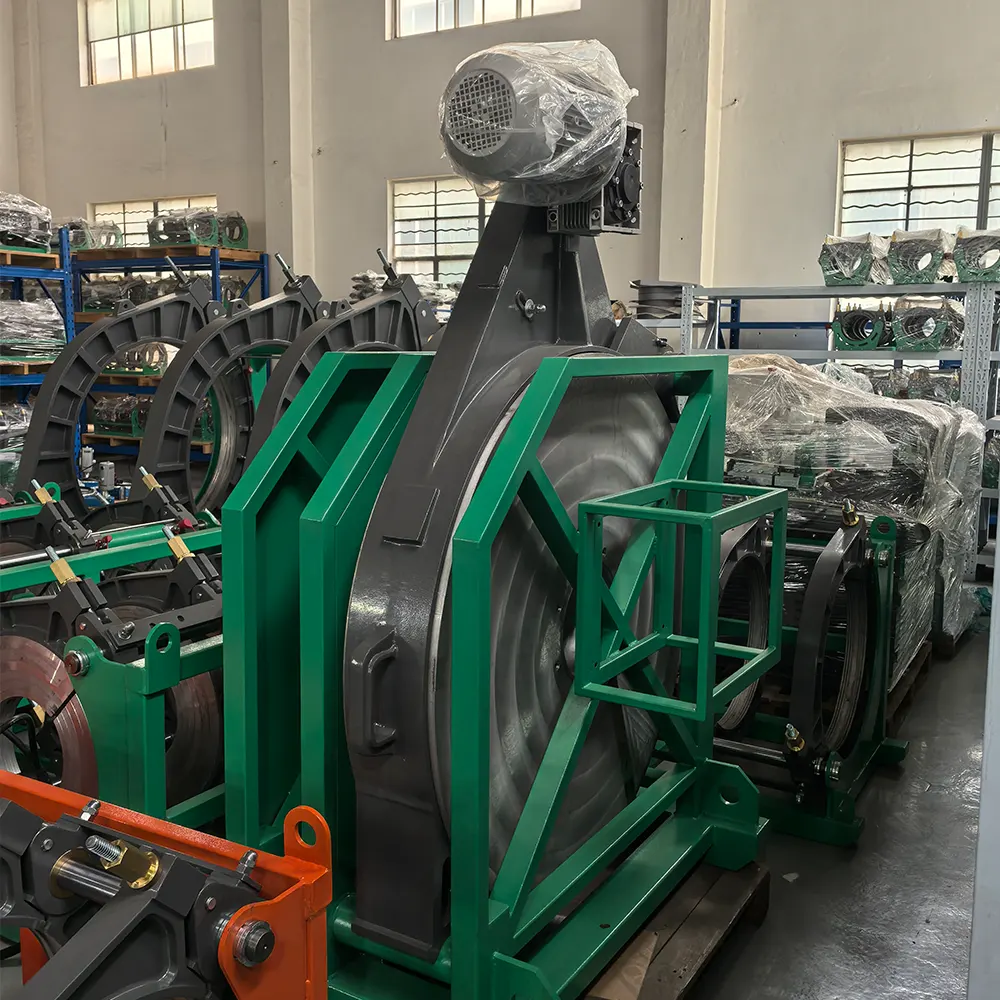
A pipe fusion machine size chart is one of the most practical tools for anyone working with HDPE, PE, or similar thermoplastic piping systems. It helps buyers, contractors, and project managers match pipe diameter, wall thickness, fusion method, and machine capacity before placing an order or starting installation. Choosing the wrong machine can lead to weak joints, wasted time, and unnecessary project costs, while choosing the right one improves welding consistency, safety, and productivity.
In real-world pipeline work, there is no universal “best” machine. The right model depends on the pipe sizes you handle, the site conditions, the power supply, the type of project, and the level of automation you need. That is why understanding the size chart matters so much. Whether you are building a water supply network, a gas distribution line, or an industrial pipeline, the size chart gives you a clear starting point for equipment selection.
What Is a Pipe Fusion Machine Size Chart?
A pipe fusion machine size chart is a reference table that shows the compatible pipe diameter range for each fusion machine model. It usually includes minimum and maximum pipe sizes, clamp sizes, heating plate dimensions, and sometimes recommended working pressure or power requirements. In other words, it tells you what pipe dimensions a machine can safely and effectively weld.
Key point: the size chart is not just a buying guide. It is a welding safety and performance guide that helps ensure proper pipe alignment, heating, and fusion pressure.
For example, a small manual machine may be suitable for utility repairs or short pipe runs, while a large hydraulic or CNC machine is better for municipal, mining, or industrial projects where bigger diameters and higher output are required. You can explore more about butt fusion machine options when comparing equipment categories and project needs.
Why Pipe Size Matters in Fusion Welding
Pipe size affects almost every part of the fusion process. Larger pipes require more stable clamping force, stronger heating capability, and a more rigid machine frame. Smaller pipes may not need the same heavy-duty configuration, but they still require accurate alignment and temperature control to produce strong joints. If the machine is too small, it may not hold the pipe securely. If it is too large, it may be unnecessarily expensive and difficult to transport.
Another important factor is wall thickness. Two pipes with the same outer diameter can still require different machine settings if their SDR values differ. That means a size chart should be used together with the pipe specification sheet, not alone. When both diameter and wall thickness are considered, the selection becomes much more accurate.
Remember: fusion quality depends on matching the machine to the pipe, not just matching the pipe to the machine.
Typical Pipe Fusion Machine Size Ranges
While exact models vary by manufacturer, pipe fusion machines are often grouped into several common size ranges. These ranges help buyers quickly identify the most suitable product type for their project.
Small-size machines
Usually used for smaller pipe diameters, repair work, and light-duty installations. These machines are often more compact, easier to move, and suitable for contractors who need flexibility on site.
Medium-size machines
Commonly used in water supply, irrigation, and general civil engineering projects. They balance portability, welding stability, and capacity, making them a popular choice for many contractors.
Large-size machines
Designed for large-diameter pipeline projects such as gas transmission, mining, and industrial infrastructure. They often feature hydraulic systems or automatic controls for better precision and productivity.
In many cases, a buyer should also evaluate whether manual, hydraulic, or automatic control is more suitable. Manual models are simpler and economical. Hydraulic models provide better force and stability. CNC automatic machines offer advanced control and are ideal for large-scale or repeatable welding tasks.
How to Choose the Right Machine Size
Selecting the right machine size involves a few clear steps. First, identify the full pipe diameter range you will work with, including the smallest and largest sizes. Second, check the SDR or wall thickness range, because this affects the force and heat required. Third, consider how often the machine will be used and whether the work is field-based or factory-based.
A practical way to decide is to choose a machine that covers your current pipe sizes with some room for future expansion. If your projects may grow, selecting a slightly larger capacity machine can save you from upgrading too early. However, oversized equipment should still be avoided if it creates mobility problems or exceeds your budget.
Helpful tip: if your project includes multiple pipe diameters, choose a model that supports the full range without working at the edge of its capacity.
It is also wise to think about voltage requirements, environmental conditions, and operator experience. For example, a remote site with limited power access may need a more flexible configuration. A large contractor with trained operators may benefit from a CNC system that improves repeatability and reduces manual error.
Main Factors to Check Before Buying
There are several technical and practical factors worth checking before purchasing a pipe fusion machine. These details often determine whether the equipment will perform well in the long term.
- Pipe diameter range: confirm the minimum and maximum size your project requires.
- Wall thickness and SDR: make sure the machine can handle your pipe specifications.
- Clamp stability: stable clamps improve alignment and reduce joint defects.
- Heating plate performance: accurate temperature control is essential for proper fusion.
- Hydraulic pressure stability: important for medium and large machines.
- Power supply: verify voltage compatibility for your job site or workshop.
- Portability: field projects may need lighter or more compact equipment.
If you want a reliable supplier with broad manufacturing capability, JQ-Fusion offers a wide range of HDPE pipe welding solutions. Their product line includes hydraulic butt fusion welding machine options, automatic models, and other specialized welding equipment for different project scales.
Manual vs Hydraulic vs CNC Automatic
One of the biggest choices is not only size, but also machine type. Manual butt fusion machines are often suitable for small jobs, repair work, and budget-conscious buyers. They offer simplicity and lower cost, but they depend more on operator skill.
Hydraulic butt fusion machines are preferred for larger pipes and more demanding applications. They provide better clamping force and more consistent pressure during welding. This makes them a common choice for contractors who need reliable performance in water, gas, and industrial projects.
CNC automatic machines are the most advanced option. They can improve repeatability, reduce human error, and support high-efficiency production environments. For large infrastructure projects, this level of control can be a major advantage, especially when weld quality and workflow speed are critical.
Best practice: choose the control type based on production volume, operator skill, and the quality level required by the project.
How JQ-Fusion Supports Different Project Needs
JQ-Fusion is a professional manufacturer with more than 20 years of industry experience in HDPE pipe welding machines. Its equipment is used in water supply systems, gas distribution networks, mining projects, and industrial pipeline installations worldwide. This experience matters because fusion welding machines must perform reliably under varied site conditions and technical requirements.
The company focuses on manual, hydraulic, and CNC automatic butt fusion machines, covering a wide range of pipe diameters from small to large sizes. That makes it easier for buyers to find a suitable model based on the actual size chart rather than guessing. JQ-Fusion also offers OEM and ODM customization, which is valuable for distributors, contractors, and brands that need special configurations.
For buyers who need a dependable product source, JQ-Fusion’s factory capabilities, strict testing, and global support can reduce procurement risk. If your job requires a tailored setup, their engineering team can help adjust machine size, color, voltage, branding, and functional design.
Common Mistakes When Reading the Size Chart
A common mistake is assuming the largest pipe diameter listed is enough to decide. In reality, the complete range matters. Another mistake is ignoring wall thickness or SDR, which can cause the machine to perform poorly even if the diameter seems correct. Some buyers also overlook portability, especially when working on remote construction sites.
Another error is buying only for the current job without considering future project needs. If your company plans to expand into larger diameter work, it may be smarter to invest in a machine that offers a broader range. On the other hand, overbuying a machine that is too large can increase costs and make transportation difficult.
Important: the right machine should match your technical needs, site workflow, and budget together.
Conclusion
A pipe fusion machine size chart makes the buying process more accurate and helps prevent costly matching mistakes. By reviewing pipe diameter, wall thickness, machine type, power supply, and working environment, you can select equipment that delivers stable and durable joints. The chart is especially useful when comparing manual, hydraulic, and CNC automatic options for different project scales.
For contractors, distributors, and engineering teams, the ideal machine is the one that can handle the full job requirement with confidence and consistency. Working with an experienced manufacturer like JQ-Fusion can make selection easier, especially when you need customization, technical support, and dependable delivery for global pipeline projects.
FAQ
Q1: What does a pipe fusion machine size chart tell me?
It shows the pipe diameter range and compatibility of each machine model, helping you choose equipment that matches your project requirements.
Q2: Can one machine handle multiple pipe sizes?
Yes, many machines support a range of sizes, but you should always confirm both diameter and wall thickness compatibility before buying.
Q3: Should I choose manual or hydraulic fusion equipment?
Manual machines are suitable for smaller or simpler tasks, while hydraulic machines are better for larger pipes and more demanding projects.
Q4: Why is wall thickness important when choosing a machine?
Because two pipes with the same diameter can still require different fusion settings if their wall thickness differs, affecting heat and pressure requirements.
Q5: How do I know if I need a CNC automatic machine?
If your project involves high-volume work, strict repeatability, or advanced process control, a CNC automatic model may be the best choice.



