
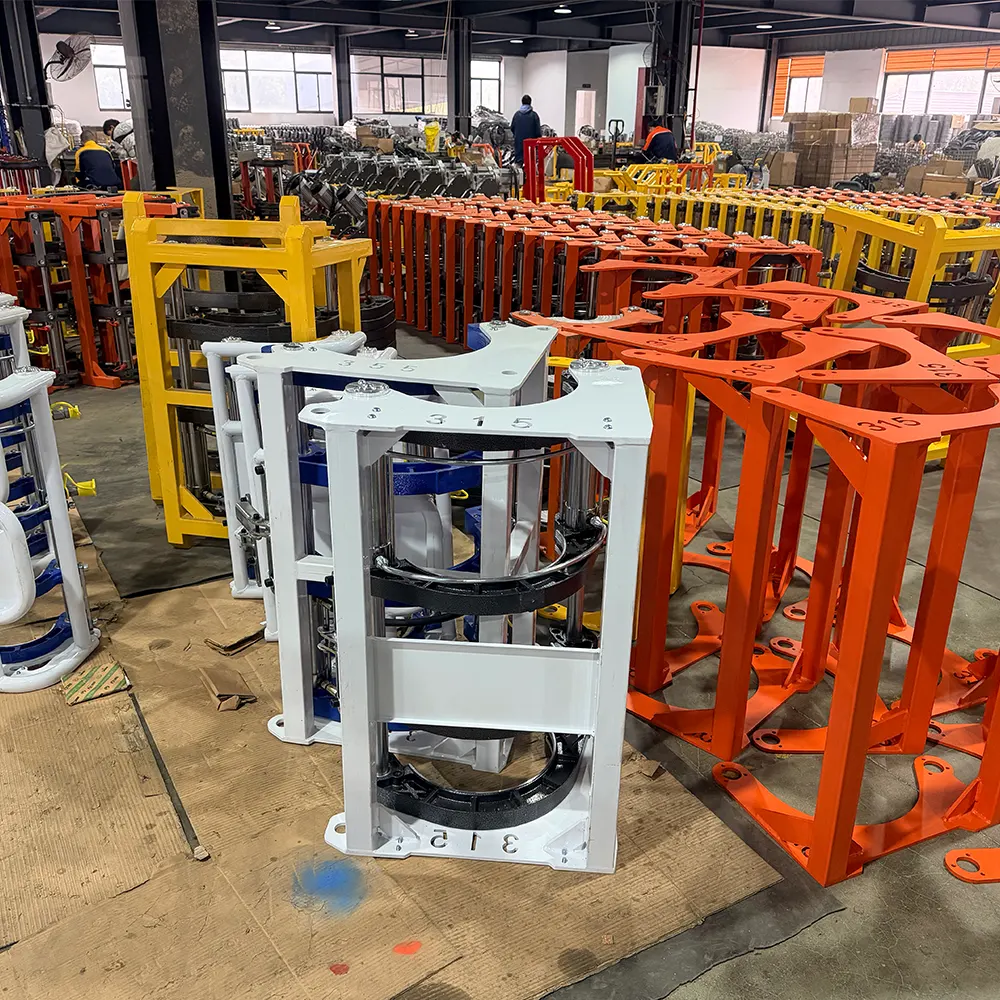
When contractors, distributors, and project managers ask how much it costs to rent pipe welding equipment, the real answer is never a single number. Rental pricing depends on the type of welding method, the size of the pipe, the rental duration, the required accessories, and the level of technical support included in the package. For HDPE and pipeline projects, the right equipment can save time, reduce labor, and improve joint quality, but the wrong rental choice can quickly increase project costs.
Pipe welding equipment is used in water supply systems, gas distribution networks, mining applications, and industrial pipeline installations. In these environments, reliability matters. A rental machine that looks affordable at first may become expensive if it lacks temperature stability, proper clamp alignment, or the power capacity needed for the job. That is why most buyers compare more than the daily rate—they look at performance, maintenance, delivery, and operator support as part of the total cost.
Typical rental ranges: small manual machines may start from a few hundred dollars per week, while larger hydraulic or CNC automatic systems can cost significantly more depending on pipe diameter and project scale. The final quote usually reflects the machine’s capability, condition, and the logistics involved in getting it to your site.
What Determines the Rental Price?
The rental price of pipe welding equipment is influenced by several practical factors. First is the machine category. Manual butt fusion units are generally the least expensive to rent, while hydraulic and CNC automatic models command a higher rate because they offer greater accuracy, better efficiency, and more consistent weld results. If your project requires frequent joins or strict quality control, the higher rental cost may actually reduce overall project expenses.
Pipe diameter is another major factor. Small-diameter systems usually need lighter equipment, while larger pipelines require machines with stronger clamping force, higher heating capacity, and more robust alignment systems. The larger the machine, the higher the transportation and setup cost. In many cases, the rental company also charges based on the maximum pipe size the machine can handle, not only the actual size used on the project.
Rental duration also matters. Daily rentals are convenient for emergency work, but they are often more expensive on a per-day basis. Weekly and monthly rentals provide better value for longer jobs, especially when the project site is remote or the installation schedule is uncertain. Many suppliers offer flexible terms for contractors who need equipment for phased work or seasonal demand.
Condition and age of the machine can affect price as well. Newer units with updated control systems and stricter calibration standards typically cost more than older machines. However, a well-maintained machine with verified inspection records can be a smarter choice than an inexpensive but unreliable unit. For welding equipment, uptime is often more valuable than the lowest sticker price.
Common Rental Cost Categories
Although exact rates vary by region and supplier, pipe welding equipment rental often falls into several broad categories. Manual butt fusion machines are usually the most budget-friendly option for small jobs and simple installations. These machines are suitable when the welding volume is low and labor can handle the alignment and operation without heavy automation.
Hydraulic butt fusion systems are typically used in medium to large projects because they provide more consistent pressure and better control during the fusion process. Their rental cost is higher, but they can improve welding quality and reduce operator fatigue. For contractors managing larger pipeline projects, this balance of price and productivity often makes hydraulic units the most practical choice.
Automatic and CNC machines are the premium rental option. They are designed for projects where precision, traceability, and repeatability are essential. These systems are often chosen for utility networks, industrial facilities, and projects with strict quality documentation requirements. Their rental fees are higher because they reduce human error and improve workflow efficiency.
Icon note: ✓ Manual = lower rental cost ✓ Hydraulic = balanced performance and price ✓ CNC automatic = highest precision and usually the highest cost
Hidden Costs You Should Not Ignore
Many renters focus only on the base price and forget about the extra charges that can change the total budget. Delivery and pickup fees are common, especially for large machines or long-distance projects. Because pipe welding equipment is often bulky and heavy, shipping can become a noticeable part of the rental bill.
Another possible expense is operator training. Some suppliers include basic instruction, while others charge for on-site commissioning or technical guidance. This is especially important for first-time users or teams working with automated equipment. If the welding team does not know how to set the heating temperature, pressure, or timing correctly, the project may suffer from poor joint quality and rework costs.
Consumables and accessories can also add up. Heating plates, clamps, facing tools, and replacement parts may be billed separately. Some suppliers offer package pricing, but others list these items individually. Before signing a rental agreement, confirm exactly what is included and what will be charged later. A low daily rate may not be low once accessories and service fees are added.
Damage protection, deposit requirements, and overtime penalties are additional items to review. Rental companies often require a security deposit to cover potential loss or damage. If the machine is returned late or used outside the agreed specifications, extra charges may apply. Careful planning helps avoid unpleasant surprises.
When Renting Makes More Sense Than Buying
Renting pipe welding equipment is often the right decision for short-term jobs, emergency repairs, temporary installations, or projects with changing specifications. If the machine will be used only a few times, ownership may not provide enough return on investment. Renting also allows teams to choose different models for different pipe sizes without committing to a single piece of equipment.
For companies entering a new market, rental can reduce upfront capital pressure. Instead of investing heavily before demand is proven, they can test workflows, train staff, and complete projects with lower financial risk. Renting also makes sense when the project requires specialized equipment that would otherwise sit unused after completion.
On the other hand, if your business performs frequent pipeline work, buying can become more cost-effective over time. That is why many contractors compare the rental price with the expected number of working days per year. When utilization is high, purchasing may eventually cost less than repeatedly renting.
How to Get Better Rental Value
To get better value from a rental, begin by matching the machine to the exact project requirement. Do not over-rent a machine with far more capacity than necessary, but avoid under-specifying equipment that cannot meet the job demand. The best choice is usually the machine that handles the pipe size, material, and schedule with the least friction.
Ask for a full quotation that includes delivery, setup, support, accessories, and any end-of-rental fees. Compare several suppliers on the same basis so you can make a fair judgment. Sometimes a slightly higher quote is the better deal because it includes training, technical service, and faster response times.
It is also wise to choose a supplier with proven manufacturing experience and strong service capability. A rental partner with a deep understanding of HDPE pipe welding is more likely to provide reliable equipment and practical support. For example, many contractors prefer suppliers that already manufacture a wide range of pipeline tools and offer direct technical guidance through a professional team.
For project planners who want to understand equipment quality before renting, reviewing a trusted product source like the butt fusion machine page can be helpful. It gives a clearer idea of machine types, capabilities, and the standards you should expect from a serious supplier.
Practical tip: A rental quote that includes inspection records, operator guidance, and fast replacement support often delivers better project value than the cheapest quote on paper.
Why Equipment Quality Affects Rental Economics
Rental cost is not only about the number written on the invoice. It is also about how well the equipment performs under real working conditions. If a machine cannot hold stable temperature, maintain hydraulic pressure, or keep pipe alignment steady, weld quality may suffer. Poor welds can lead to rework, delays, and even pipeline failures. In that sense, a cheaper rental can become the most expensive option.
High-quality machines reduce downtime and help crews work faster. In large projects, even a small improvement in cycle time can create major savings. Better equipment also lowers the chance of operator frustration and makes it easier to maintain consistent output across multiple shifts. When you evaluate rental value, think in terms of productivity and reliability, not just the base rate.
Suppliers with strong manufacturing and testing systems usually provide more predictable results. Machines that undergo inspection for temperature accuracy, hydraulic stability, and clamp alignment are easier to trust in critical applications. That is one reason experienced contractors often favor partners with proven industry backgrounds and stable quality control processes.
A Smarter Way to Budget for Pipe Welding Rentals
A smart rental budget should include the machine price, transport, operator support, accessories, and possible contingency costs. If the project is in a remote location, add a logistics buffer. If the schedule is tight, consider the value of faster delivery and responsive technical service. If the job is sensitive or high-risk, prioritize equipment quality over savings on the first quote you receive.
Many contractors build a simple comparison table before making a final decision. They compare machine type, pipe diameter, rental term, included services, and estimated productivity. This approach makes it easier to see whether a lower rental fee truly offers better value. In most cases, the best decision is the one that protects schedule, weld quality, and budget at the same time.
For companies that regularly work with HDPE pipeline systems, it also helps to think long term. Even if renting is the current choice, understanding machine categories, technical standards, and supplier strengths will improve future decisions. That knowledge becomes especially useful when project volume grows and equipment ownership starts to make more financial sense.
FAQ
Q1: How much does it usually cost to rent pipe welding equipment?
Prices vary widely by machine type and rental term, but small manual units are usually the most affordable, while hydraulic and automatic systems cost more because of their higher performance and larger capacity.
Q2: What is the biggest factor affecting rental price?
The biggest factors are machine type, pipe diameter, and rental duration. Delivery distance and included support services can also significantly affect the final cost.
Q3: Is it better to rent or buy pipe welding equipment?
Renting is usually better for short-term or specialized projects, while buying may be more cost-effective for companies that use the equipment frequently throughout the year.
Q4: What extra charges should I ask about before renting?
Ask about transport fees, training, accessories, security deposits, damage coverage, and overtime penalties so you can calculate the true total cost.
Q5: How can I avoid choosing the wrong rental machine?
Match the machine to the exact pipe size and project requirements, compare full quotations, and choose a supplier that offers reliable technical support and proven equipment quality.



