
When an industrial pipeline welding project begins, the difference between a smooth handover and a costly rework often comes down to one thing: how well the project is analyzed before, during, and after welding. In large-scale pipeline construction, every joint affects the long-term safety, pressure resistance, and service life of the system. That is why project teams need a clear method to evaluate welding quality, improve efficiency, and reduce avoidable downtime.
Industrial pipeline welding analysis is not only about checking finished welds. It is also about understanding the full workflow: material preparation, machine selection, operator skill, environmental conditions, parameter control, and inspection results. When these factors are reviewed in a structured way, contractors can identify weak points early, optimize the welding sequence, and achieve more consistent outcomes across the entire project.
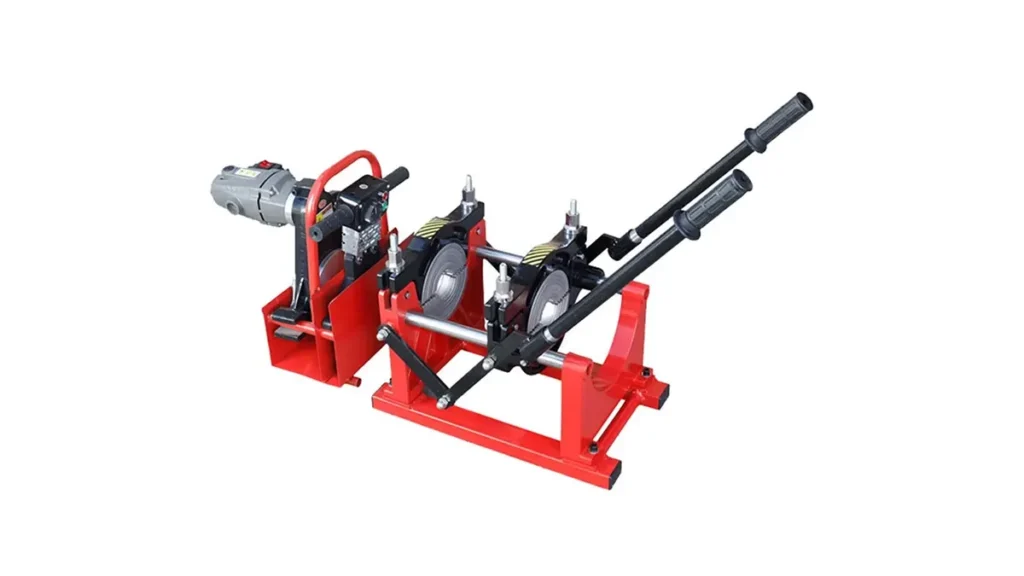
For projects involving HDPE pipelines, the choice of equipment matters just as much as the welding procedure itself. A reliable butt fusion machine can help maintain proper temperature, alignment, and pressure stability, which directly improves joint quality. In the same way, strong planning and accurate analysis help teams use equipment more effectively and reduce unnecessary material waste.
1. Start With a Clear Project Profile
Before welding begins, define the project scope in detail. The pipeline diameter, material type, wall thickness, working pressure, installation environment, and timeline all influence the welding strategy. A project built for water supply will not face exactly the same demands as a gas distribution or mining pipeline system, so the analysis should always match the application.
A complete project profile helps the team choose the right welding method and machine configuration. It also supports better manpower allocation, material logistics, and inspection planning. Without this foundation, welding teams may encounter delays caused by equipment mismatch or insufficient preparation.
Key point: the more detailed the project profile, the easier it becomes to forecast risks and build a welding process that is both efficient and repeatable.
2. Evaluate Material Compatibility and Preparation
In industrial pipeline welding, joint quality begins long before the heating plate is applied. Pipe ends must be clean, dry, and properly aligned. Surface contamination such as dust, oil, moisture, and oxidation can weaken the fusion process and create defects that are difficult to correct later. That is why material preparation should be reviewed as a measurable part of project analysis.
Teams should inspect incoming pipe batches, confirm dimension consistency, and check whether the pipe material matches the welding parameters. For HDPE systems, even minor inconsistencies in diameter or ovality can affect the fusion area. If the project involves multiple suppliers or long-distance transportation, this step becomes even more important.
A practical analysis method is to create a material readiness checklist. This can include pipe inspection, storage condition review, surface cleaning standards, and pre-welding alignment requirements. By turning preparation into a controlled process, teams can reduce rework and improve welding speed.
3. Match the Machine to the Project Requirements
The welding machine should be selected according to the project scale, pipe range, and automation level required. Small projects may only need a manual solution, while large industrial installations often benefit from hydraulic or CNC automatic equipment. The purpose of project analysis is to determine whether the current machine can deliver stable temperature, accurate pressure, and consistent clamp alignment throughout the job.
Modern manufacturers such as JQ-Fusion provide a wide range of equipment for different pipeline needs, including hydraulic and automatic butt fusion systems. Their experience in global pipeline projects shows that machine reliability has a direct effect on productivity. When a machine is designed for the correct diameter range and equipped with stable control systems, welding teams can work faster with fewer interruptions.
Useful insight: a machine that is too small, underpowered, or poorly matched to the project will usually increase downtime more than it saves on purchase cost.
For teams comparing equipment, it is useful to review technical support, spare parts availability, and customization options. A manufacturer with strong OEM and ODM capability can also adapt the machine to project-specific voltage, branding, or functional needs. That flexibility can be valuable for contractors working across different countries and site conditions.
4. Analyze Welding Parameters as Real Performance Data
Welding quality is highly dependent on parameter control. In a butt fusion project, temperature, heating time, transition time, pressure, and cooling time must all be monitored carefully. A well-analyzed project does not just record these values; it studies how they change across shifts, operators, and environmental conditions.
For example, if the ambient temperature drops significantly, heating and cooling behavior may shift. If hydraulic pressure fluctuates, the fusion bead may become inconsistent. If operators follow different habits, the same machine can produce different joint results. These are all signs that the project needs a stronger analysis framework.
The best projects treat welding parameters as live quality indicators. Logging data from each joint allows engineers to trace the cause of a defect and identify whether the issue came from the machine, the operator, the material, or the surrounding environment.
In higher-end operations, CNC automatic systems can help reduce human error by standardizing the process. However, even automated equipment still requires verification. Analysis should confirm whether the settings are truly suitable for the pipe specification and whether the output matches the project’s quality targets.
5. Review Operator Skill and Team Coordination
No machine can fully compensate for poor site management. Operator skill remains one of the most important variables in pipeline welding quality. Teams should evaluate whether welders understand pipe preparation, machine setup, alignment, parameter adjustment, and defect recognition. If the workforce is inconsistent, even a premium machine may deliver uneven results.
Good project analysis includes training records, certification checks, and performance comparisons across shifts. A strong training program not only improves weld quality but also increases efficiency because operators work with more confidence and fewer mistakes. When teams know exactly how to respond to temperature changes, pressure variation, or alignment issues, the entire process becomes more stable.
Tip: create a simple operator scorecard covering setup accuracy, joint consistency, response time, and inspection pass rate. This makes it easier to identify who needs additional support and where the process can be improved.
6. Use Inspection Results to Improve the Process
Inspection is not the final step in analysis; it is one of the most valuable feedback tools available. Visual inspection, dimensional checks, pressure testing, and non-destructive testing can all reveal whether the welding process is truly under control. If multiple joints show similar defects, the root cause is often systematic rather than accidental.
For example, a repeated weak bead shape may indicate poor alignment. Excessive flash may suggest incorrect pressure. Irregular fusion lines could point to inconsistent heating plate performance. By comparing inspection results with welding logs, project managers can connect the defect to its origin and adjust the process accordingly.
This type of analysis is especially important on large sites with long welding chains. One poor joint can delay the entire schedule if it is discovered too late. Early inspection helps minimize that risk and supports a more predictable delivery timeline.
Important: inspection data should always be documented in a way that allows easy comparison across batches, crews, and equipment sets.
7. Assess Efficiency Through Time, Waste, and Downtime
Quality is essential, but efficiency is what keeps a project on schedule and within budget. A complete analysis should measure how much time is spent on preparation, heating, joining, cooling, moving materials, and fixing defects. When these phases are tracked carefully, project managers can identify which steps slow production the most.
Waste reduction is another major factor. Poor alignment, repeated rework, excessive trimming, and damaged pipes all increase cost. Efficient projects use accurate planning to reduce these losses. That may include better inventory management, faster equipment access, and more organized work zones.
A simple but powerful efficiency review includes three questions: Where do we lose time? Why does the delay happen? How can the same issue be prevented next time? This approach turns daily welding records into practical project improvements.
8. Consider Manufacturer Support and Long-Term Reliability
Project analysis should also include the support system behind the machine. Reliable manufacturers typically provide technical guidance, fast response, and efficient logistics support. These services matter because pipeline projects often operate under tight deadlines, and any equipment issue can affect the whole schedule.
Companies such as JQ-Fusion highlight stable stock supply, global shipping support, and full technical training, which are valuable for contractors working in remote or international locations. Their products are used in water supply, gas distribution, mining, and industrial pipelines worldwide, showing that dependable support is part of the overall project success equation.
In addition, certified products can reduce project risk. When equipment meets international standards and has recognized testing such as SGS certification, contractors gain more confidence in safety, reliability, and consistency. That confidence is important when analyzing whether the project setup can support long-term performance requirements.
Visit the official JQ-Fusion website to learn more about industrial butt fusion welding solutions and machine options for different project scales.
9. Build a Repeatable Analysis System for Future Projects
The most successful pipeline contractors do not analyze only one project; they build a system that improves every future job. This means creating standard templates for material checks, machine setup, operator training, parameter logging, inspection review, and efficiency reporting. Once these records are organized, teams can compare projects and improve performance year after year.
Over time, a repeatable analysis system helps companies identify patterns. For instance, one crew may consistently complete welds faster, while another may have fewer inspection failures. One machine model may perform better under certain conditions, while another may require additional operator control. These insights are extremely valuable for procurement planning and project scheduling.
A strong analysis culture does more than solve current problems. It creates a long-term advantage by making future pipeline projects safer, faster, and more predictable.
Another helpful reference is the manufacturer’s product range. A supplier offering hydraulic butt fusion welding machines, automatic butt fusion welding machines, electrofusion welding machines, and multi-angle pipe fitting welding machines can support different project stages and technical requirements. You can review more options at JQ-Fusion’s product page.
Conclusion
Analyzing an industrial pipeline welding project for better quality and efficiency means looking beyond the weld itself. It requires a full review of materials, machine selection, welding parameters, operator skill, inspection results, and support services. When these parts are managed together, the project becomes more stable, more cost-effective, and easier to deliver on time.
The best results come from combining good equipment with disciplined process control. Whether the job involves water, gas, mining, or industrial transport, a thoughtful analysis framework helps teams reduce risk and improve output. With strong planning and the right welding solution, contractors can build pipeline systems that perform reliably for years.
FAQs
Q1: What is the first step in analyzing a pipeline welding project?
Start by defining the project scope, including pipe size, material type, working pressure, environment, and timeline.
Q2: Why is machine selection so important?
The right machine ensures stable temperature, pressure, and alignment, which directly affects joint quality and efficiency.
Q3: How can project teams reduce welding defects?
By improving material preparation, monitoring parameters, training operators, and using inspection data to find root causes early.
Q4: Does automation always improve welding quality?
Automation can reduce human error, but it still requires correct setup, parameter verification, and ongoing inspection.
Q5: What should contractors look for in a welding machine supplier?
They should look for product reliability, technical support, customization options, fast delivery, and proven project experience.



