
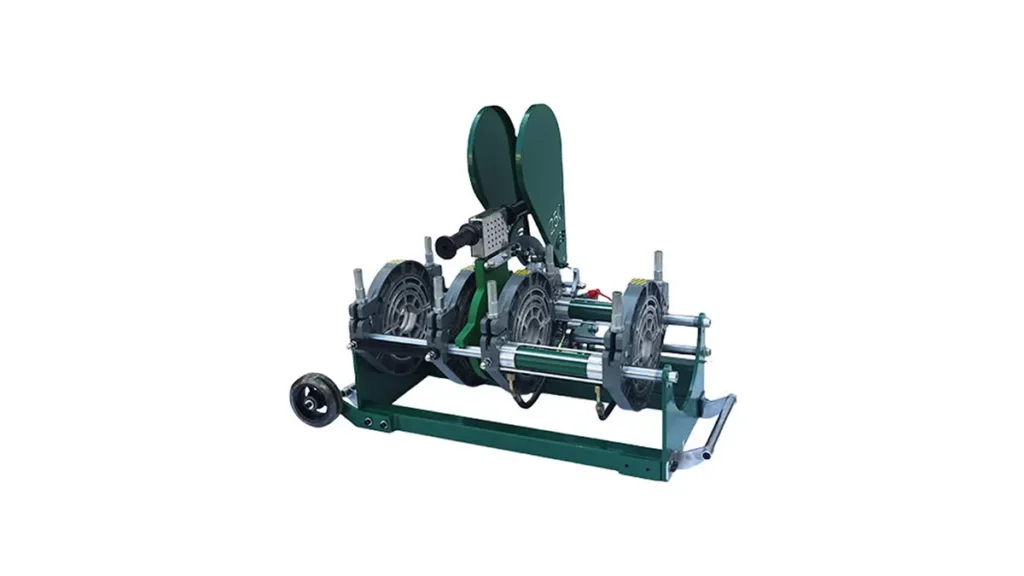
Denmark’s infrastructure projects demand reliable, weather-resistant solutions for joining HDPE pipelines. For contractors, municipal engineers, and utility operators across Danish cities and coastal regions, choosing the right pipe welder can dramatically improve installation speed, leak prevention, and long-term performance.
Why Choose the Right HDPE Pipe Welder for Denmark
Harsh coastal conditions, strict EU and local safety standards, and a strong focus on sustainable utilities make welding quality critical. The correct equipment ensures strong butt fusion or electrofusion joints that resist thermal cycling, chemical exposure, and mechanical stress common in Danish water, district heating, and industrial systems.
Key Welding Methods for HDPE Pipes
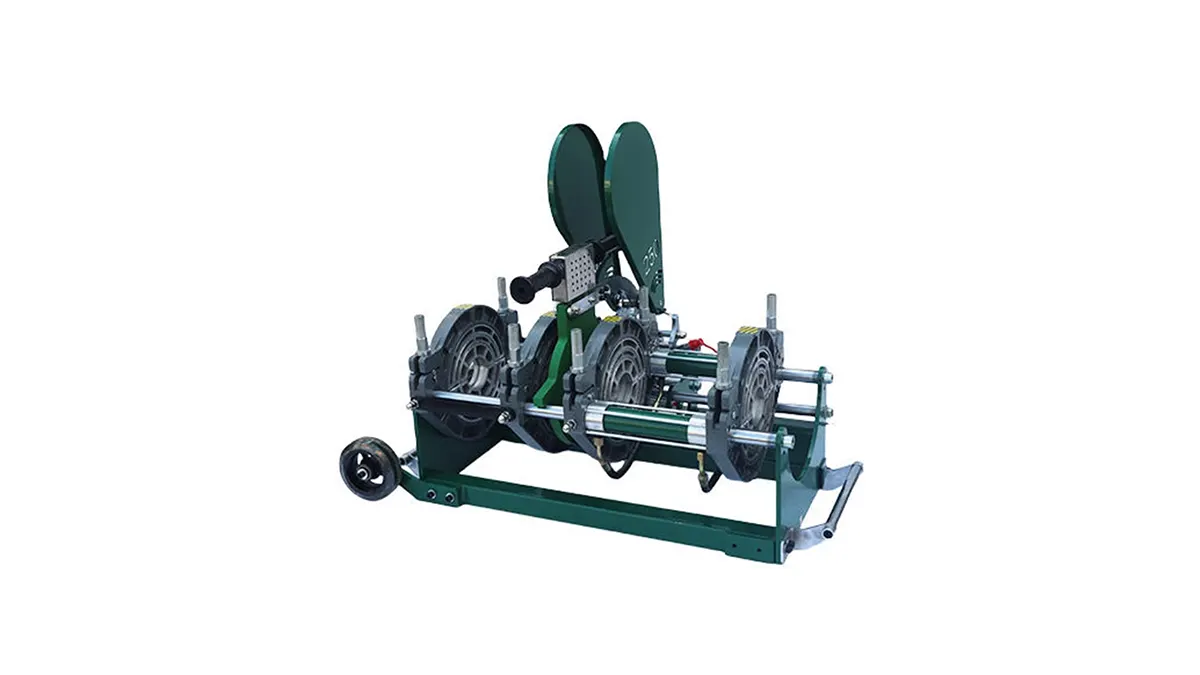
Butt fusion is the go-to for high-strength, full-penetration joints on larger diameter pipes. Electrofusion is often preferred for controlled fittings and repair work. Denmark’s project mix typically requires both techniques, so flexible machine options are essential.
Top Selection Criteria
– Pipe diameter range and adaptability to metric sizes commonly used in Scandinavia.
– Welding control and traceability for compliance with EU and Danish standards.
– Portability for on-site municipal installs and robustness for offshore or industrial yards.
– Local serviceability and spare parts availability to minimize downtime.
Machine Types at a Glance
| Type | Typical Pipe Range (mm) | Best For |
|---|---|---|
| Manual Butt Fusion | 16 – 630 | Small projects, repair, low-budget sites |
| Hydraulic Butt Fusion | 63 – 1800+ | Medium to large pipelines, higher repeatability |
| Automatic / CNC Butt Fusion | 90 – 1600 | High-precision, high-throughput municipal and industrial works |
| Electrofusion Machines | 20 – 400 (fittings) | Service lines, fittings, controlled electrofusion joints |
Performance Features Danish Contractors Value
Digital control for repeatable heating cycles, built-in logs for QA/QC, and quick heater platen exchange are features that reduce rework. Machines with CE certifications and multilingual interfaces (including English) help field teams comply with documentation requirements for public contracts.
Applications in Denmark
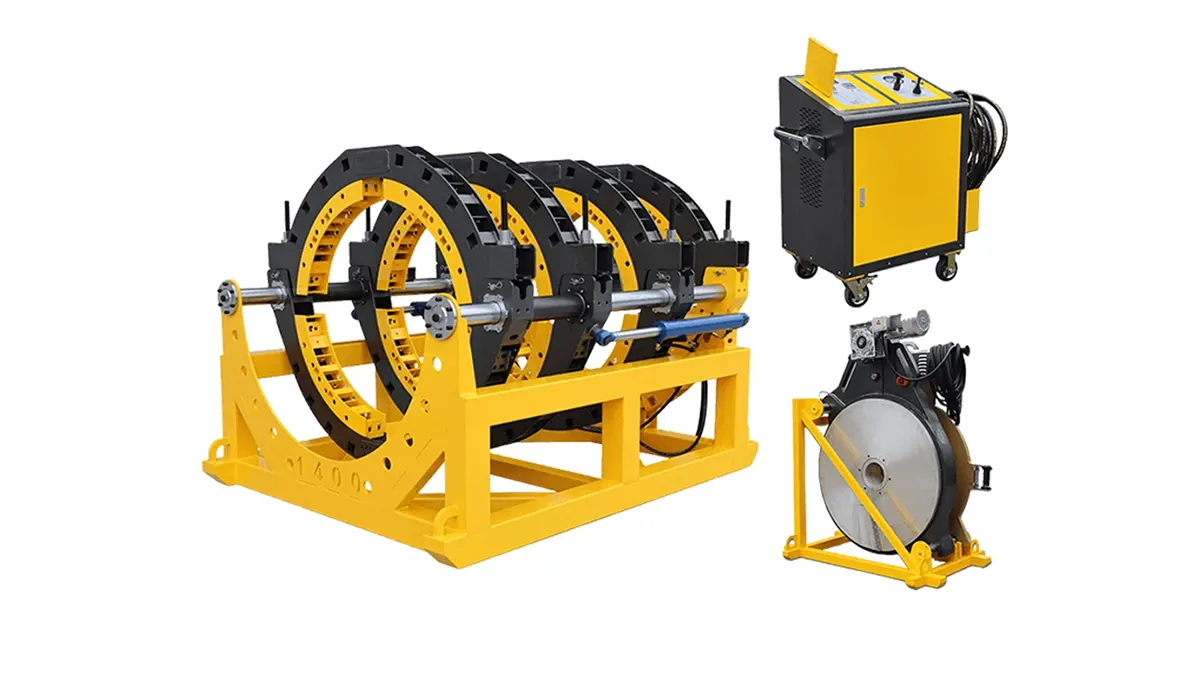
Typical uses include potable water distribution, district heating networks, cable conduits for renewable energy projects, industrial process lines in manufacturing plants, and mining/export terminal pipework. Denmark’s emphasis on energy-efficient district heating makes accurate, leak-free joints especially important.
Installation & Aftercare Tips
– Train operators on local ambient temperature effects and fusion parameters.
– Keep calibration and trace logging up to date for municipal tender compliance.
– Stock commonly used spare parts to minimize delays during peak construction seasons.
Procurement & Support Considerations
When selecting equipment suppliers, evaluate lead times to Europe, warranty terms, CE and ISO compliance, onsite training availability, and local partner networks for fast support. For one trusted source of HDPE welding equipment and global supply, consider contacting JQ-Fusion.
Final Notes for Danish Buyers
Choosing the right HDPE pipe welder affects project timelines, lifecycle costs, and environmental performance. Prioritize machines with reliable control systems, clear traceability, and service support across the EU to ensure your Denmark projects meet both technical and regulatory expectations.



