
Choosing the best butt welder in Jordan comes down to matching machine capability with local project realities: climate, power availability, pipe material and diameter, and the location of pipelines that serve water, gas, irrigation and municipal projects. This guide helps contractors, municipal engineers and pipeline installers in Jordan select a butt fusion welding machine that delivers reliable, long-lasting joints.
Understand Jordan’s Local Requirements
Jordan’s infrastructure projects frequently involve long-distance water transfer, potable water networks, irrigation systems for the agricultural sector, and gas distribution upgrades in urban centers. Expect hot, dusty conditions in many work sites and occasional remote job locations with limited grid power. Prioritize machines that are rugged, dust-resistant, and compatible with portable generators (Jordan uses 230V, 50Hz grid). Consider the prevalence of PE100 and PE80 pipes in the region when confirming material compatibility.
Key Features to Look For
1. Machine Type: Manual, hydraulic and CNC/automatic models each have pros and cons. Manual units are portable and cost-effective; hydraulic models provide more force for larger diameters; automatic/CNC machines deliver repeatable welds and data logging for quality assurance.
2. Diameter Range and Capacity: Verify the machine’s clamping range matches the pipe sizes on your projects — from small distribution lines (63–160 mm) to large trunk mains (up to 2000+ mm).
3. Heating Plate & Trimmer Quality: A high-quality, flat heating plate and robust trimmer ensure consistent melt and clean bevels. Look for replaceable plates and good thermal control.
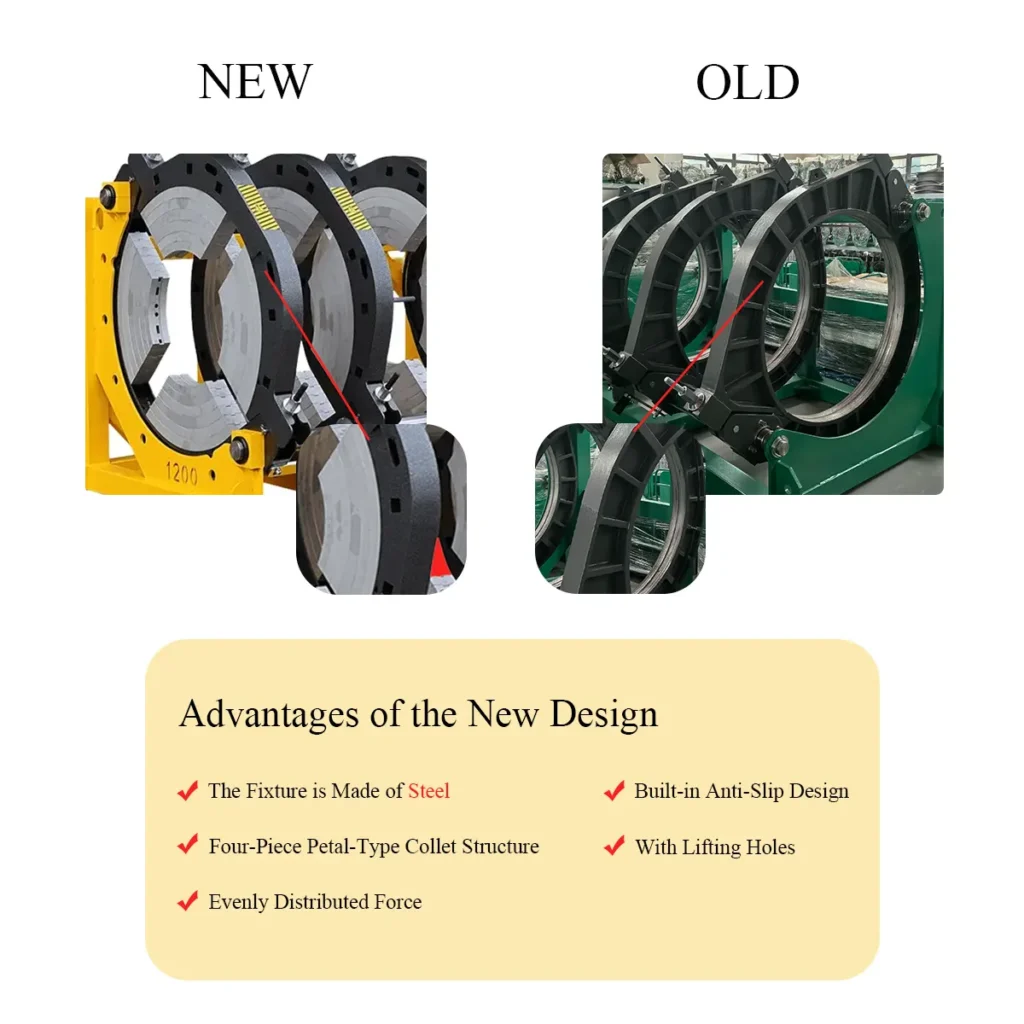
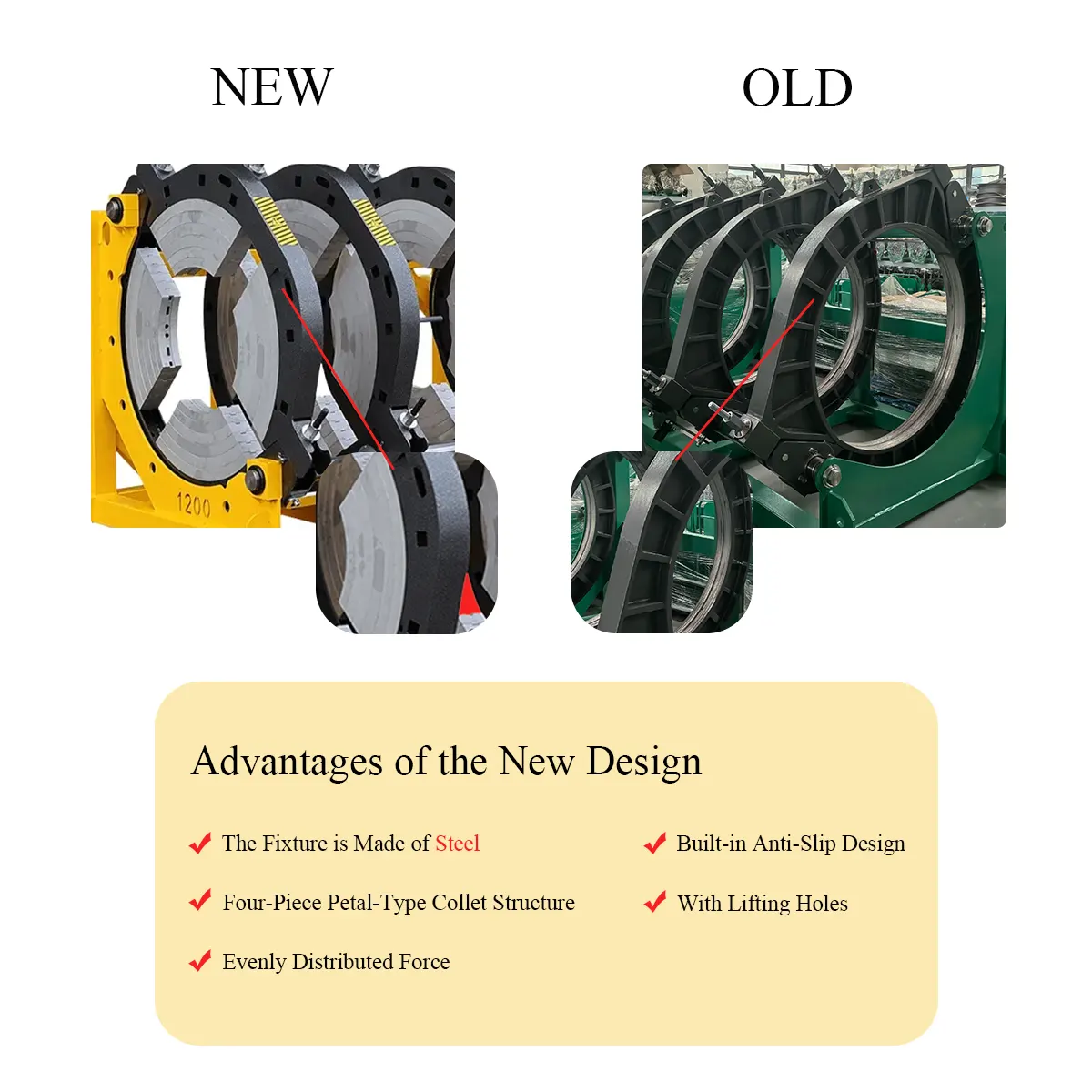
4. Alignment & Clamping: Secure aluminum or steel clamps with precise alignment reduce cold welds and improve joint strength — especially important with PE100 pipes used in Jordan’s major water projects.
5. Power & Mobility: Choose units that run on standard 230V or can be powered by a small generator. Consider trailer-mounted frames or compact designs for hillside and desert pipeline sites.
Comparison Table — Which Type Fits Your Jordan Project?
| Type | Best for | Typical Diameter Range | Key Benefit |
|---|---|---|---|
| Manual Butt Welder | Small jobs, repair work | 20–315 mm | Lightweight, low cost, portable |
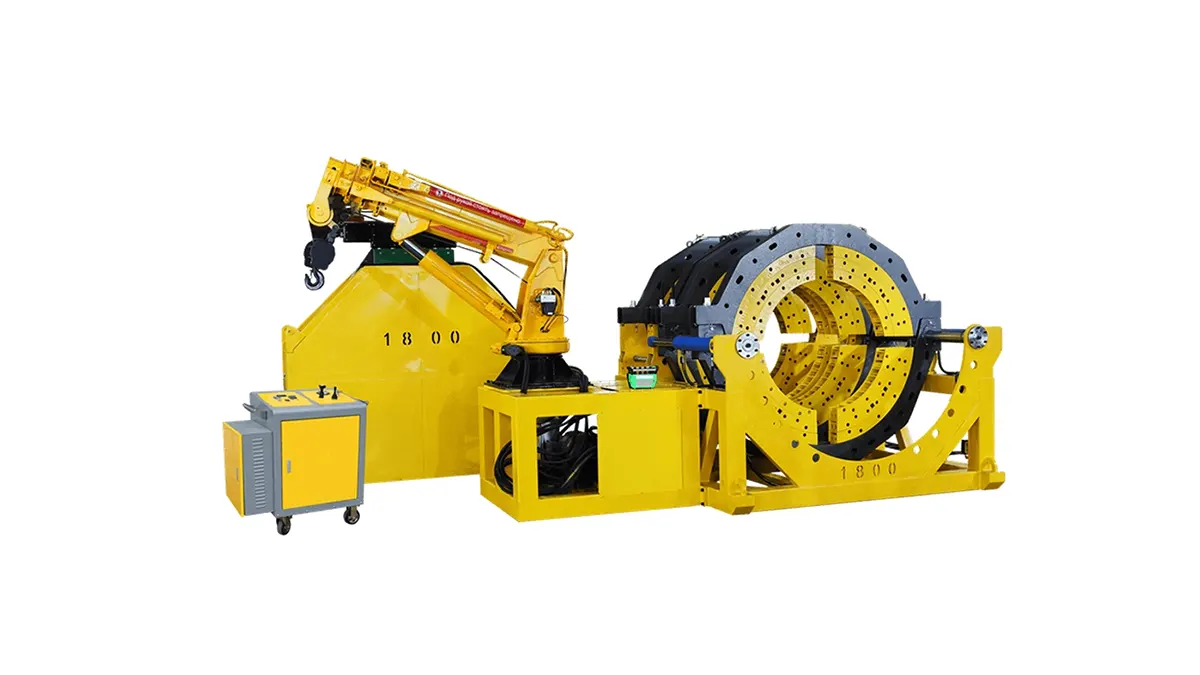
| Hydraulic Butt Welder | Medium to large pipelines | 160–2250 mm+ | High clamping force, reliable for big diameters |
| Automatic / CNC | High-volume or quality-critical projects | 63–1600 mm (varies) | Repeatable welds, data logging, reduced operator error |
Technical Specs & Compliance
Ensure the machine supports parameters required for high-strength PE joints: controlled heating time, proper pressure during fusion, and accurate cooling cycles. Look for equipment that complies with international standards (ISO/EN and other recognized quality frameworks) and offers traceability features or weld data logging. Compatibility with PE80 and PE100 materials, and the ability to follow recommended welding procedures, are essential for long-term pipeline integrity.
Durability in Jordan’s Climate
Hot temperatures and dust can reduce component life. Prioritize sealed hydraulic units, corrosion-resistant frames, and protective covers for electronic controllers. If you will be working in desert or coastal areas, select finishes and bearings rated to withstand sand and saline exposure.
Service, Training & Spare Parts
Reliable after-sales support is critical. Confirm availability of spare parts, replacement heater plates, and technical training for welders in Jordan. Machines with remote diagnostic features or simple modular parts reduce downtime on remote sites. Evaluate warranty terms and the supplier’s commitment to local technical assistance.
Cost vs. Long-Term Value
Initial price is important but don’t compromise on joint quality. Poor welds increase leakage risk and maintenance costs. Choose a machine that balances purchase cost with durability, service access, and welding accuracy — this delivers the best lifecycle value for municipal and industrial projects in Jordan.
Quick Selection Checklist
| Checklist Item | Pass/Notes |
|---|---|
| Diameter range covers project pipes | Yes / No |
| Compatible with PE100 / PE80 | Yes / No |
| Suitable for Jordan site conditions (dust/heat) | Yes / No |
| Power options (230V / generator ready) | Yes / No |
| Local service / spare parts access | Yes / No |
Final Advice for Jordan Buyers
For municipal and large-scale water or gas projects in Jordan, hydraulic and automatic butt fusion welders usually offer the performance and consistency required. For smaller repairs and rural installations, a well-built manual unit can be the most practical choice. In all cases, insist on documented welding procedures, training for operators, and a supplier who provides timely parts and support.
For tailored solutions and product details, contact JQ-Fusion: https://jq-fusionwelding.com/



