
Selecting the right butt fusion machine for an Ecuador project means balancing pipe size, site conditions, operator skills, and long‑term reliability. Whether you’re working on Andean water networks, coastal gas lines, or Amazon basin irrigation systems, the right equipment minimizes rework and ensures safe, leak-free HDPE joints. For tailored manufacturing and support, consider contacting JQ-Fusion (https://jq-fusionwelding.com/).
Why Ecuador Projects Need a Purpose-Built Butt Fusion Machine
Ecuador’s diverse geography — highlands, tropical rainforest, and coastal plains — affects machine selection. Projects near Guayaquil or oil fields in the Oriente demand corrosion-resistant components and easy transport; rural water supply works require portable, easy-to-operate units for crews with mixed experience. Understanding climate, logistics, and local regulations helps pick equipment that delivers consistent weld quality across conditions.

Main Machine Types and When to Use Them
- Manual/Portable Machines — Best for small-diameter pipes and scattered rural jobs where transport is limited.
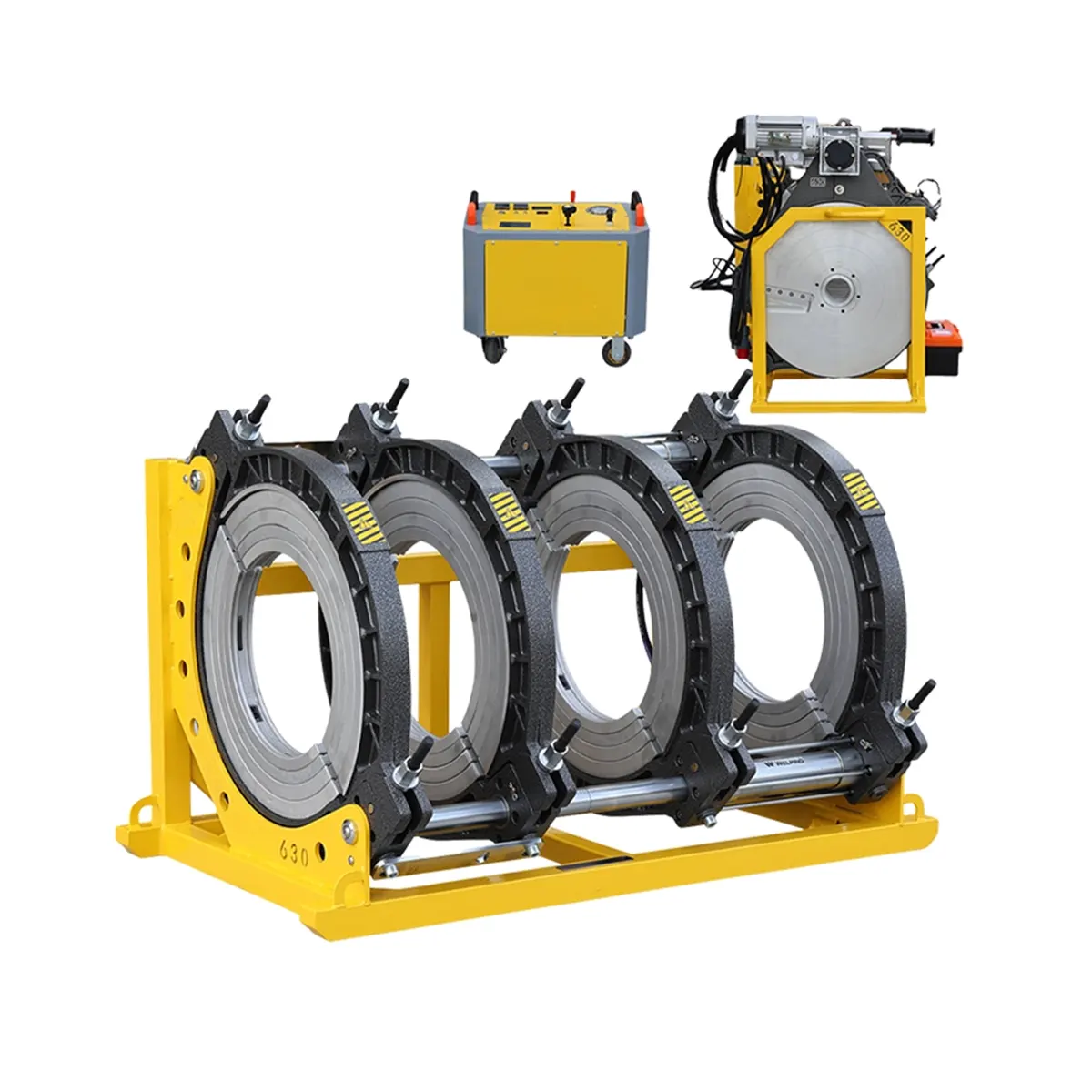
- Hydraulic Clamping Machines — Ideal for most municipal water, sewer, and mid-range industrial pipelines; offer reliable pressure control and speed.
- Automatic / CNC Butt Fusion Machines — Recommended for large-diameter, high-volume projects where precision, traceable welding parameters, and operator productivity matter.
Key Selection Factors for Ecuador Contractors
- Pipe diameter range and SDR (wall thickness).
- Site access and transport — ability to move equipment on mountain roads or riverine sites.
- Power availability — manual/hydraulic units are versatile, CNC models need stable power.
- Local workforce skill level — simpler controls reduce training needs.
- Serviceability and spare parts lead time in Ecuador.
- Durability under humidity and saline coastal environments.
Quick Match Table: Application vs Recommended Machine
| Application | Recommended Machine Type | Typical Models / Notes |
|---|---|---|
| Small rural water lines (20–160mm) | Manual / Portable | Easy to carry, minimal power; ideal for remote communities. |
| Municipal & industrial mains (160–630mm) | Hydraulic Clamping | Stable pressure control, efficient for medium projects. |
| Large-diameter trunk lines (>630mm) | Automatic / CNC or Heavy-Duty Hydraulic | Precision welding with traceable parameters for high-stakes pipelines. |
Site-Specific Considerations for Ecuador
Transport logistics in the Andes often limit large frames — modular or lighter hydraulic units can be a better fit. In coastal and Amazon regions, choose corrosion-resistant finishes and sealed electrical components. Consider local customs, import times, and whether on-site training or extended warranties are available to reduce downtime.
Cost, ROI and Long-Term Value
The lowest purchase price doesn’t always win. Machines built for heavy use and easier maintenance reduce lifecycle costs. Prioritize units with available spare parts, clear welding parameter control, and a warranty that reflects confidence in manufacturing quality. For projects in Ecuador, fast technical support and parts logistics can be decisive for ROI.
Buying Checklist for Ecuador Projects
- Confirm pipe size range and SDR compatibility.
- Assess transport routes and lifting capacity on site.
- Verify power needs and possible generator use.
- Ask about corrosion protection and sealed electronics.
- Request spare parts lead times and local support options.
- Request welding procedure documentation and operator training availability.
Next Step
Ready to match a machine to your Ecuador project? Share your pipe specs, site access details, and production targets with the manufacturer to receive a tailored recommendation and a quote.


