
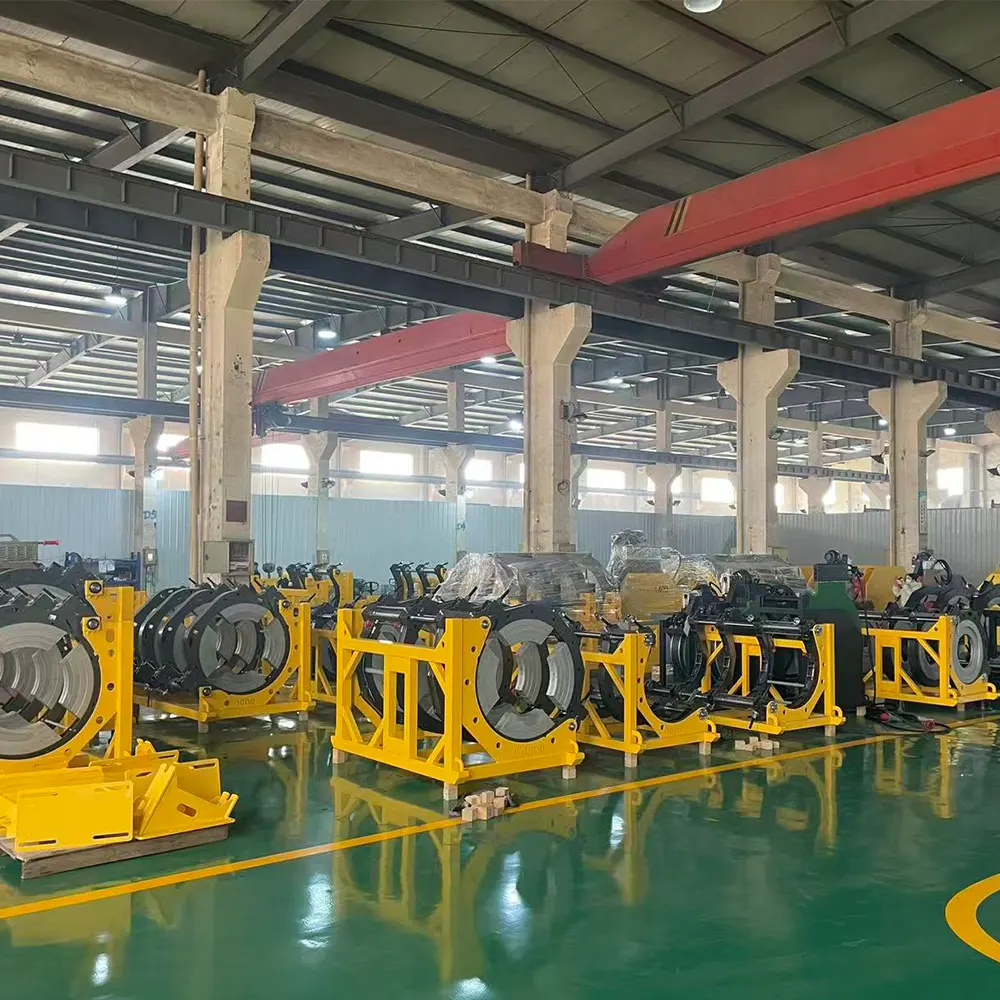
The search for reliable pipeline welding companies near me usually starts with a simple need: finding a partner that can deliver safe, accurate, and long-lasting welds for your project. Whether you are building a water supply line, expanding a gas distribution network, or managing an industrial pipeline installation, the company you choose will directly affect project quality, schedule, and long-term operating costs. A dependable welding partner should not only know how to join pipe sections, but also understand materials, project environments, local standards, and field execution challenges.
In pipeline construction, welding is not a minor task. It is one of the most important parts of the entire system because a weak weld can create leaks, reduce pressure stability, and increase maintenance costs later. That is why contractors, distributors, and project managers should evaluate welding companies carefully instead of selecting the first name they find online. A reliable provider will combine technical capability, certified equipment, and responsive service to support every stage of the job.
One of the best ways to begin your search is to look for companies with proven experience in butt fusion and related pipe welding methods. For HDPE and thermoplastic pipe systems, a quality butt fusion machine is a key part of achieving consistent results. The machine must maintain stable heating, accurate alignment, and proper pressure control so that each joint performs as designed in the field.
Tip: When comparing local welding companies, ask whether they provide equipment selection support, operator guidance, and after-sales service. The most reliable partners do more than sell a machine or complete a weld; they help reduce risk throughout the full project lifecycle.
What Reliable Pipeline Welding Companies Should Offer
A trustworthy welding company should have practical experience across different industries and pipe sizes. This matters because a project in municipal water infrastructure may require different techniques and quality checks than a mining pipeline or an industrial processing line. The best companies adapt their methods to the job instead of forcing one standard solution onto every site.
They should also offer a clear process for quality control. This includes equipment calibration, welding parameter verification, and inspection before, during, and after welding. A company with structured quality management is much more likely to produce stable joints and fewer on-site issues. In many cases, the difference between an average provider and a reliable one is not just skill, but discipline in repeatable procedures.
Key Point: Reliability is not only about the final weld. It also includes project communication, delivery speed, spare parts support, and the ability to respond quickly when a site problem appears.
How to Evaluate a Welding Company Near You
Start by checking whether the company has real project experience in your application area. A business that has supported water supply, gas distribution, mining, or industrial piping will usually understand field conditions better than a general equipment seller. Look for examples of pipe diameter ranges, material compatibility, and customization capability. If your project needs special voltage, machine size, or branded equipment, the supplier should be able to adapt.
Next, review the company’s manufacturing and testing standards. A professional pipeline welding equipment manufacturer should test temperature accuracy, hydraulic pressure stability, and clamp alignment before shipment. Those details can sound technical, but they are essential because even small deviations can affect weld quality. A machine that looks strong on paper but fails in calibration will create delays and rework costs.
It is also worth considering the company’s ability to provide technical support. Can they help you choose the right model? Can they train your team? Can they respond quickly if a machine needs troubleshooting? These questions matter because many pipeline projects operate under time pressure, and support delays can be expensive.
Important: Do not judge a company only by price. A lower upfront quote may hide weak support, poor durability, or limited customization. In pipeline welding, failure costs far more than a slightly higher equipment investment.
Why Equipment Quality Matters So Much
Reliable pipeline welding depends heavily on the quality of the machine used. For butt fusion work, stable heating plates, precise clamping, and consistent hydraulic performance are critical. If any of these elements are unstable, the fusion process can be compromised. Over time, that means more leaks, reduced system integrity, and costly repairs.
High-quality equipment is particularly important in large-scale projects. When you are welding long pipelines or working across multiple sites, you need machines that perform consistently from the first joint to the last. That consistency saves labor, reduces waste, and improves confidence among project stakeholders.
Companies like JQ-Fusion focus on this exact need by producing manual, hydraulic, and CNC automatic butt fusion solutions for a wide range of pipe diameters. Their equipment is used in water supply systems, gas distribution networks, mining projects, and industrial installations, showing the importance of selecting a manufacturer that can serve different sectors with the same level of reliability.
🔧 Look for these machine features: accurate temperature control, stable pressure delivery, durable clamp structure, and easy operation for field teams. These features help ensure repeatable welding quality even under demanding project conditions.
The Advantage of Working With an Experienced Manufacturer
When you choose an experienced manufacturer, you gain more than a product. You gain engineering knowledge, process control, and support built from years of field application. JQ-Fusion, for example, brings over 20 years of industry experience to HDPE pipe welding equipment production. That kind of background can be valuable when you need a partner who understands both technical requirements and business realities.
Experienced manufacturers are also more likely to offer OEM and ODM customization. This is important for distributors and contractors who want machines matched to specific markets or project needs. Customization may include machine color, branding, design, voltage, or functional upgrades. These options help companies build a stronger market position while meeting real site demands.
Another advantage is inventory availability. If a supplier keeps key models in stock, you can reduce downtime and meet urgent timelines more effectively. In pipeline construction, fast delivery can be just as important as product quality because delays can affect multiple teams and downstream work.
Common Applications for Pipeline Welding Solutions
Pipeline welding companies near you may serve many different applications, and this versatility is a sign of strength. Municipal water projects require durable, leak-resistant joints. Gas distribution networks demand high precision and strict safety practices. Mining operations often work in harsh environments where equipment must remain stable under pressure and dust. Industrial pipeline systems may involve complex routing, demanding schedules, and continuous operation requirements.
Because each industry has its own challenges, a reliable welding company should be able to explain how it adapts equipment and process settings to each application. That kind of practical knowledge helps prevent costly mistakes and supports long-term system performance.
Pro Insight: The right supplier should help you match machine type to application. For example, a hydraulic machine may be ideal for heavy-duty field work, while CNC automatic systems can improve consistency in higher-volume operations.
What to Ask Before You Hire
Before deciding on a welding company, ask direct questions. What pipe sizes do they support? What welding methods do they specialize in? Do they provide certification or third-party testing? Can they customize a machine for your voltage requirements? How quickly can they ship replacement parts or additional units?
These questions reveal how prepared the company is to support your work. A professional team should answer clearly and confidently. If the responses are vague, inconsistent, or overly focused on sales language, that may be a warning sign.
It is also smart to ask about training. Even the best equipment can underperform if the operator is unfamiliar with the process. A strong supplier will explain operating steps, maintenance needs, and common troubleshooting points. This support can help reduce human error and improve overall welding quality.
✅ Checklist for selection: proven project experience, machine quality, customization options, fast shipping, technical support, and clear communication. If a company performs well in all six areas, it is more likely to be a dependable partner.
Why Global Support Can Matter Even for Local Projects
Even if you are searching locally, a company with global support experience often brings stronger systems, better logistics, and more mature technical processes. Many top suppliers work with customers across different countries and industries, which forces them to maintain a high standard of responsiveness and product consistency. That global mindset can benefit local clients too, especially when projects require tight deadlines or specialized specifications.
For example, JQ-Fusion emphasizes strict quality control, efficient logistics, and professional technical guidance. These are not just international advantages; they also matter when local contractors need dependable equipment quickly. A supplier with strong export capability usually has better internal organization, which can translate into better service overall.
How to Spot a Truly Reliable Partner
Reliability shows up in small details. A dependable company answers inquiries promptly, gives clear quotations, explains product differences honestly, and delivers on schedule. It also has the confidence to stand behind its products with testing records and support procedures. In contrast, unreliable providers often make broad promises without enough technical depth or service structure.
If possible, request references or case studies. Look for evidence that the company has successfully served similar projects to yours. When a supplier can demonstrate stable performance in real-world conditions, it becomes easier to trust them with your pipeline needs.
For contractors and distributors, the ideal choice is a partner that combines strong manufacturing capability with customer-focused service. This balance helps protect project quality while also improving long-term business efficiency.
Final Thoughts
Finding reliable pipeline welding companies near you is not only about location. It is about technical capability, equipment quality, support responsiveness, and proven performance. The best company for your project will understand the demands of your application and provide a welding solution that performs consistently in real working conditions.
When you choose a supplier with strong engineering capability, strict quality control, flexible customization, and fast delivery, you reduce risk and improve the success of your pipeline project. Whether you need support for water, gas, mining, or industrial installations, the right partner can make a major difference in productivity and safety.
Summary: A reliable pipeline welding company should offer proven experience, quality equipment, customization, technical support, and efficient delivery. Choosing carefully helps ensure durable welds and smoother project execution from start to finish.
Frequently Asked Questions
1. How do I know if a pipeline welding company is reliable?
Look for real project experience, clear technical support, quality testing procedures, and positive evidence of successful work in your industry. A reliable company should answer questions clearly and provide practical guidance, not just sales claims.
2. What type of welding equipment is best for HDPE pipelines?
For HDPE systems, butt fusion equipment is widely used because it creates strong, leak-resistant joints when operated correctly. The best machine depends on pipe size, project scale, and site requirements.
3. Why is quality control important in pipeline welding?
Quality control helps ensure accurate temperature, stable pressure, and proper alignment during welding. These factors are essential for producing durable joints and preventing failures later in the pipeline system.
4. Can a welding company customize equipment for my project?
Yes, many professional manufacturers offer OEM and ODM customization. This may include voltage, machine color, branding, configuration, and other project-specific features.
5. Should I choose a local supplier even if another company has better technical support?
Not always. Location matters, but support quality, equipment reliability, and delivery speed may be more important. The best choice is the company that can meet your project requirements most effectively.



