
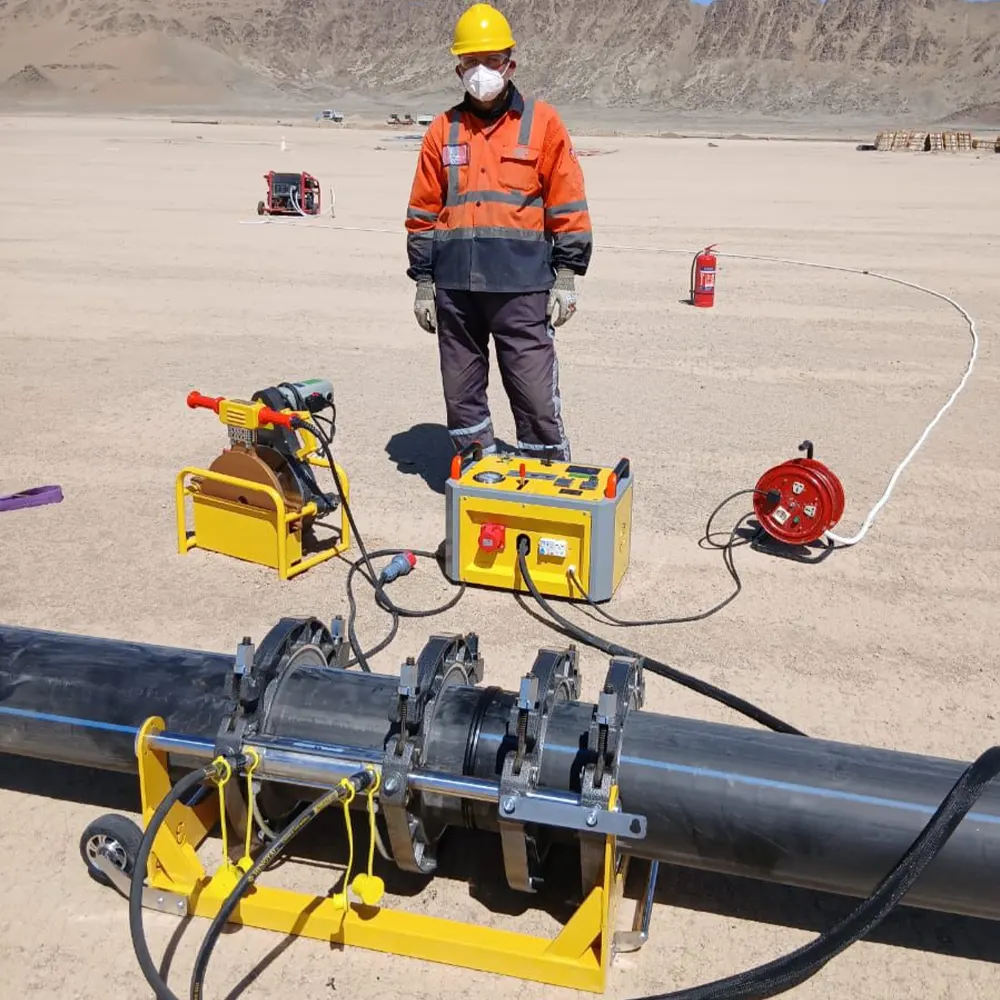
When working with HDPE pipes, safety is not optional—it is the foundation of every successful welding job. Butt fusion welding joins thermoplastic pipe sections by heating, aligning, and pressing them together under controlled conditions. While the process is efficient and widely used in water supply, gas distribution, mining, and industrial pipeline systems, it also involves high temperatures, hydraulic pressure, heavy pipe handling, and powered machinery. That combination makes the right protective equipment essential for both operators and nearby workers.
Whether you are using a manual, hydraulic, or CNC automatic system, the same principle applies: safe operation starts with proper preparation. Choosing reliable equipment from a trusted supplier such as a butt fusion machine manufacturer can improve consistency, but no machine can replace the need for personal protective equipment, jobsite controls, and operator awareness. In this article, we will explain what safety equipment is required for HDPE pipe welding, why each item matters, and how to build a safer welding environment from the ground up.
Why Safety Equipment Matters in HDPE Pipe Welding
HDPE pipe welding appears straightforward, but the risks are real. The heater plate can reach very high temperatures. Pipe ends may be hot enough to cause burns long after the fusion cycle is complete. Hydraulic systems can create pinch points and sudden movement. Large-diameter pipes can shift, roll, or fall if they are not secured correctly. In addition, outdoor work may expose the crew to dust, UV radiation, wind, rain, and uneven ground.
⚠ Key point: Safety equipment is not only for emergencies. It is part of the normal welding workflow and should be worn or used before, during, and after the fusion process.
Good safety practices protect workers, reduce downtime, prevent product damage, and help projects meet site standards. In industries where welding quality must be stable and repeatable, safety and productivity work together. A controlled environment supports cleaner pipe preparation, more accurate alignment, and fewer interruptions during the fusion cycle.
Essential Personal Protective Equipment for Operators
Personal protective equipment, or PPE, is the first layer of defense. Every person directly involved in HDPE pipe welding should be equipped according to the task and site conditions. Below are the most important items.
1. Heat-resistant gloves
HDPE fusion work involves hot surfaces, freshly cut pipe ends, and heated tools. Heat-resistant gloves help prevent burns while allowing a firm grip on tools and components. They should fit properly and allow enough dexterity for safe handling. Gloves that are too loose may interfere with machine controls or get caught on moving parts.
2. Safety glasses or goggles
Eye protection is necessary during cutting, scraping, cleaning, and alignment. Small plastic shavings, dust, and debris can cause serious eye injuries. Wraparound safety glasses are often suitable for general protection, while sealed goggles may be better in dusty or windy conditions.
3. Face shield
A face shield offers additional protection against heat, sparks from preparation tools, and accidental splashes from hot material. It should be used together with safety glasses, not as a replacement. A shield is especially helpful when operators are close to the fusion zone or using tools during surface preparation.
4. Long-sleeved flame-resistant clothing
Operators should wear long sleeves and long pants made from durable, non-melting material. The goal is to reduce skin exposure to heat and hot debris. Clothing should be close-fitting enough to avoid entanglement but loose enough to allow movement. Synthetic fabrics that melt under heat should be avoided when possible.
5. Safety boots with slip-resistant soles
Heavy pipes, rollers, clamps, and machine components create foot injury risks. Safety boots protect toes from impact and provide better stability on wet, oily, or uneven ground. Slip-resistant soles are especially important in outdoor or industrial work areas.
6. Hearing protection
Although HDPE fusion itself is not always extremely loud, pipe saws, generators, hydraulic systems, and site machinery can produce harmful noise levels. Earplugs or earmuffs should be used when noise exposure is high or continuous.
✓ Best practice: PPE must be inspected before each shift. Torn gloves, scratched lenses, damaged boots, or worn-out garments should be replaced immediately.
Safety Equipment for the Worksite
In addition to personal protective gear, the welding area should be supported by site safety equipment. These items protect the crew, stabilize the work environment, and make the fusion process safer and more efficient.
Pipe Supports and Alignment Tools
Proper pipe support is critical. Large HDPE pipes can move unexpectedly if they are not secured. Roller stands, pipe cradles, and lifting supports reduce strain on workers and help keep pipe ends aligned. Alignment is not just a quality issue—it is also a safety issue, because unstable pipe movement can cause crushing, pinching, or impact injuries.
Barricades and Warning Signs
Only authorized workers should be near the welding area. Barricades, cones, and warning signs help create a controlled zone around the machine and hot materials. This is especially important on busy job sites where other workers, vehicles, or visitors may be passing nearby.
Fire Extinguisher
HDPE is a plastic material and does not typically behave like flammable metalwork, but welding jobs still require emergency readiness. A suitable fire extinguisher should be available at the site, and the crew should know where it is and how to use it. This is particularly important when the welding area is powered by fuel generators or located near combustible materials.
First Aid Kit
Minor burns, cuts, and scrapes can happen even in well-managed projects. A first aid kit should be stocked, accessible, and checked regularly. It is wise to keep burn dressings, antiseptic wipes, gloves, and basic wound care supplies on site. In remote projects, the kit should be expanded according to the distance from medical help.
Reminder: Safety equipment is most effective when the work zone itself is organized. Clean ground, clear access, and stable positioning all help reduce accidents.
Machine-Related Safety Equipment and Controls
HDPE butt fusion machines can be manual, hydraulic, or fully automatic. No matter the model, machine-related protection is important because these systems involve moving parts, pressure systems, and heating elements.
Well-designed machines from an experienced manufacturer help improve control and consistency. For example, advanced production and quality testing can contribute to stable temperature performance, hydraulic pressure stability, and clamp alignment accuracy. That kind of reliability matters because safer equipment reduces the chance of unexpected movement or failure during welding.
Emergency Stop Controls
Operators should know the location and function of emergency stop buttons before starting the machine. In the event of misalignment, pressure issues, or a worker entering the hazard zone, the system should be shut down immediately.
Hydraulic Pressure Protection
Hydraulic systems require proper maintenance and regular checks. Safety equipment in this area includes pressure gauges, stable hoses, and leak-free connections. While these are not PPE, they are vital protective elements because hydraulic faults can cause sudden motion or equipment damage.
Temperature Monitoring Tools
Accurate heater plate temperature is essential for quality fusion. Overheated surfaces can lead to burn injuries, while inconsistent heating may create unsafe rework conditions. Operators should use approved monitoring tools and avoid touching heated components directly.
Important: A reliable butt fusion machine with strong clamp stability and precise temperature control supports safer operation by reducing manual correction and lowering the risk of errors.
Additional Safety Accessories That Improve Protection
Some safety items may not be required on every job, but they are highly recommended depending on the environment, pipe size, and local rules.
- Respiratory protection: useful when cutting or scraping in dusty environments.
- Knee pads: helpful for long preparation work on hard ground.
- High-visibility vests: important on shared sites with vehicles and lifting equipment.
- Weather protection: rain gear, sun protection, or insulated clothing depending on conditions.
These accessories help the crew maintain awareness and comfort, both of which are important for safe and accurate welding. Discomfort can lead to rushed work, poor decisions, and reduced attention to the fusion process.
Safe Operating Habits Matter as Much as Safety Equipment
Even the best protective gear cannot compensate for poor procedure. Safe HDPE pipe welding also depends on disciplined work habits. Operators should follow the machine manual, verify pipe cleanliness, confirm proper alignment, and check heater plate condition before starting. Training is essential, especially for crews using hydraulic or automatic equipment for the first time.
★ Safe workflow checklist: inspect PPE, secure the work area, support the pipe, confirm temperature, check pressure, and keep non-essential personnel away from the fusion zone.
It is also important to keep tools clean and organized. Scrapers, trimmers, heater plates, and clamps should be stored properly after use. Hot items should never be left unattended where someone could touch them accidentally. When the crew treats every step as part of the safety process, the final weld quality improves as well.
How Reliable Equipment Supports Safer Welding
Manufacturers with long-term industry experience and strict quality control can provide a strong advantage in real project environments. Machines that are tested for temperature accuracy, hydraulic stability, and clamp alignment help reduce operational uncertainty. This is especially valuable in large infrastructure projects where repeated weld quality is essential.
JQ-Fusion, for example, focuses on manual, hydraulic, and CNC automatic butt fusion solutions for a wide range of pipe diameters. With OEM and ODM customization, global technical support, and fast delivery capabilities, contractors and distributors can choose equipment that fits specific project needs. Reliable machinery does not replace PPE, but it does create a better foundation for safer work.
For contractors managing water supply systems, gas networks, mining pipelines, or industrial installations, a stable machine platform can make training easier, reduce setup errors, and support more predictable welding operations. Safety is always a combination of people, process, and equipment.
Common Mistakes to Avoid
Many HDPE welding accidents happen because basic safety rules are ignored. Some crews skip gloves because they believe the job is quick. Others remove eye protection to get a better view. Some do not secure pipes properly and rely on hand pressure alone. These mistakes can lead to burns, crushed fingers, or poor fusion results.
Another common issue is sharing one set of PPE among multiple workers without checking fit or condition. Safety gear should be personal, appropriate, and maintained. Using damaged equipment may create a false sense of security. If a glove is worn through or a boot sole is damaged, replacement should be immediate.
Conclusion
HDPE pipe welding can be safe, efficient, and highly productive when the right protection is in place. The required safety equipment includes heat-resistant gloves, safety glasses, face shields, protective clothing, safety boots, hearing protection, pipe supports, barricades, emergency tools, and a well-organized worksite. Just as important are good habits, proper training, and reliable machinery.
By combining personal protection, site control, and dependable welding equipment, teams can reduce risk and improve results. In a demanding pipeline project, safety is not an extra step—it is part of the welding system itself.
FAQs
Q1: What is the most important PPE for HDPE pipe welding?
Heat-resistant gloves, safety glasses, and protective clothing are the most essential items because they protect against burns, debris, and hot surfaces.
Q2: Do operators need face shields for butt fusion welding?
Yes, face shields are strongly recommended during pipe preparation, heating, and close-range machine work, especially when combined with safety glasses.
Q3: Is hearing protection necessary for HDPE welding jobs?
It may be necessary when the site includes saws, generators, hydraulic systems, or other noisy equipment that can expose workers to harmful sound levels.
Q4: What should be on site besides PPE?
Pipe supports, barricades, warning signs, a fire extinguisher, and a first aid kit are important site safety items for HDPE welding operations.
Q5: How does machine quality affect safety?
Stable temperature control, reliable hydraulic performance, and accurate clamp alignment reduce the chance of errors and help create a safer welding process.



