
Looking for the best poly pipe fusion machine in Portugal? This guide explains the most suitable HDPE pipe welding solutions for Portuguese contractors, municipal utilities, and rural installers — covering uses, top machine types, buying tips, and local compliance considerations to help you choose the right equipment for pipelines, irrigation, and gas distribution.
Why Choose Butt Fusion for Poly Pipes in Portugal
Butt fusion delivers leak-free, strong joints that match or exceed the strength of HDPE pipes. In Portugal, where projects range from coastal waterworks to inland irrigation and urban gas networks, butt fusion machines provide consistent, durable welds that resist corrosion and ground movement. The method is ideal for both small municipal works and larger infrastructure projects supported by EU regulations.
Common Uses Across Portuguese Projects
Portuguese contractors commonly use poly pipe fusion machines for:
- Drinking water networks — pipe integrity and hygienic joints are essential for public supply in cities like Lisbon and Porto.
- Irrigation systems — agriculture in Alentejo and the Douro Valley benefits from portable manual fusion machines for field repairs.
- Gas distribution — low-leak joints are critical for urban and suburban gas mains, complying with EU/CE standards.
- Industrial and mining — chemical resistance and long-term reliability for process piping and slurry lines.
Types of Poly Pipe Fusion Machines
Understanding the main categories helps match machine capabilities to on-site needs:
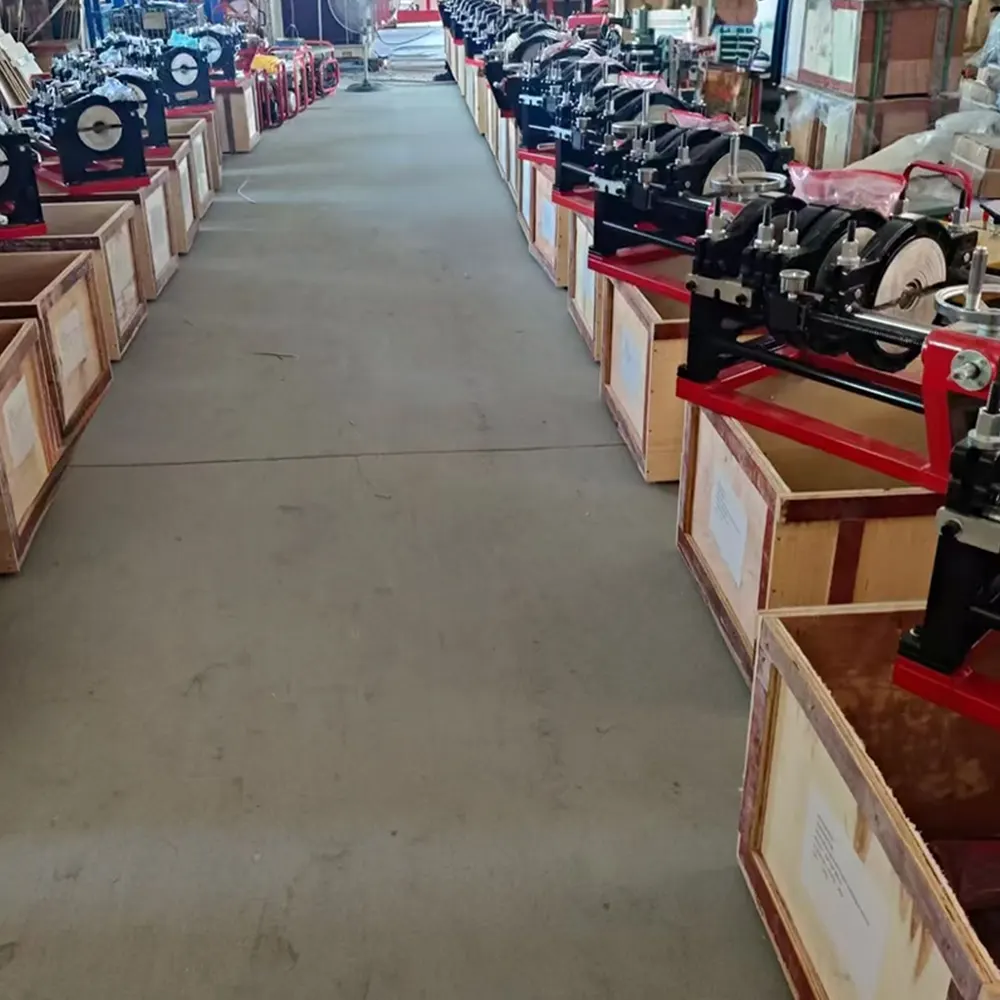
Manual Butt Fusion
Portable and cost-effective. Best for small-diameter pipes (typically 20–315mm). Favored by small contractors and irrigation teams across rural Portugal.
Hydraulic Butt Fusion
Offers higher clamping force and precision for medium to large diameters (160–2250mm). Common on municipal projects where longer welds and repeatable settings are required.
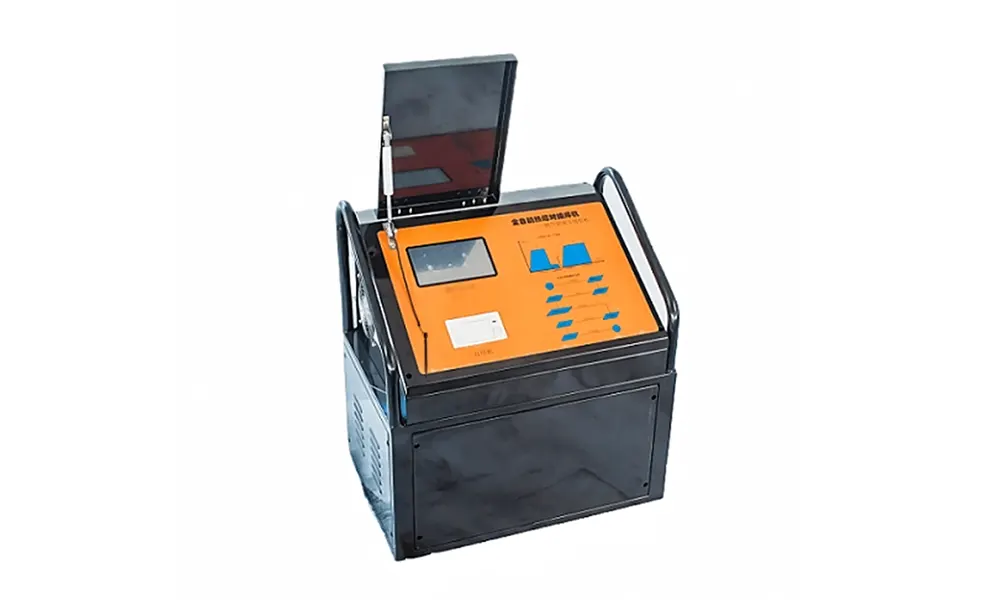
Automatic / CNC Butt Fusion
Provides automated heating/cooling cycles and digital control for high-volume, high-precision works. Ideal for large infrastructure projects and contractors executing frequent welds.
Quick Comparison: Best Options
| Model Type | Typical Pipe Range | Best For | Key Advantage |
|---|---|---|---|
| Manual Units | 20–315mm | Rural repairs, irrigation | Portable & affordable |
| Hydraulic Machines | 160–2250mm | Municipal & industrial | High force & precision |
| Automatic/CNC | 63–1000mm+ | High-volume contractors | Repeatable digital control |
| Multi-angle Fitting Machines | 50–800mm (varies) | Complex fittings & prefabrication | Faster production of tees/branches |
Buying Guide: What to Look For in Portugal
When selecting a poly pipe fusion machine in Portugal, focus on:
- Pipe range and capacity: choose a machine that covers the diameters you weld most often.
- Portability vs performance: small crews need lightweight manual units; larger contractors benefit from hydraulic or automated systems.
- Compliance: ensure CE marking and materials compliant with EU standards for potable water and gas.
- Service & spare parts: check availability of replacement heating plates, hydraulic seals, and control modules in Europe.
- Training and documentation: Portuguese-language manuals or local training partners speed up adoption and safety compliance.
Operational Tips for Portuguese Conditions
Portugal’s mild coastal climate and occasional inland heat require practical on-site considerations:
- Use sun shades and consistent cooling times for hot summer welds to prevent overheating.
- Portable trimmer and levelling tools are critical for field-installed irrigation networks.
- For coastal projects, select corrosion-resistant components and regular maintenance schedules to combat saline air.
Maintenance & Safety
Routine maintenance maximizes machine life: check hydraulic oil, inspect heating plate surfaces, and calibrate pressure sensors. Follow safety protocols during fusion cycles, and ensure welders are trained to record fusion parameters for quality assurance.
Cost Considerations
Budgeting should include the machine, heating plates, clamping accessories, spare parts, and training. Manual units are the least expensive upfront, while automated systems have higher initial cost but lower labor per weld for large contracts.
Where to Buy and After-Sales Support
Choose a manufacturer or distributor that offers clear warranty terms, spare parts in Europe, and responsive technical support. JQ-Fusion provides a wide range of HDPE pipe welding machines — from manual to CNC automatic units — with global shipping and tailored solutions suited for Portuguese infrastructure needs: JQ-Fusion.
Final Checklist Before Purchase
Before you buy, confirm:
- Pipe diameter range and material compatibility (PE100, PE80)
- CE certification and export documentation
- Availability of spare parts in the EU
- Onsite training options and Portuguese-language manuals if needed
- Warranty, service intervals, and shipping lead times
Next Steps
If you need a tailored recommendation, prepare the list of pipe diameters you work with, typical weld counts per day, and whether portability or automation is your priority. This helps narrow down the ideal model for Portugal’s projects — from small farm irrigation lines to large municipal water networks.



