
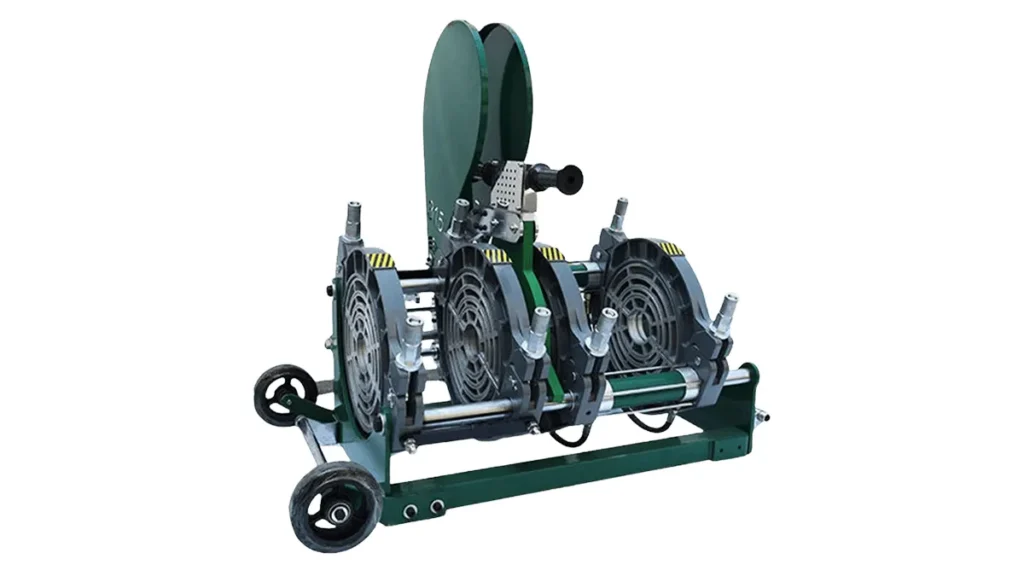
Choosing the best pipe fusion machine maker in the Netherlands requires a mix of technical knowledge, local understanding, and practical procurement steps. Whether you are a municipal works team, a pipeline contractor for drinking water or sewer systems, or an industrial buyer, this guide helps you evaluate manufacturers and pick a partner who delivers reliable HDPE butt fusion equipment for Dutch projects.
Understand Your Project Needs
Project scale and pipe diameter: Small repair jobs, service connections and micro-ducts require compact manual machines, while mainline water, sewer and large-diameter drainage projects often call for hydraulic or CNC automatic butt fusion machines.
Environment and mobility: In the Netherlands, machines that are easy to transport and set up on narrow urban sites or dike works are a big advantage. Consider weight, footprint and power options (diesel generator compatibility or battery support).
Key Criteria to Evaluate Manufacturers
Certifications & compliance
Look for CE marking, ISO quality systems and welding procedure documents. Dutch procurement often requires documented standards conformity—ask for certificates and test reports.
Product range & technology
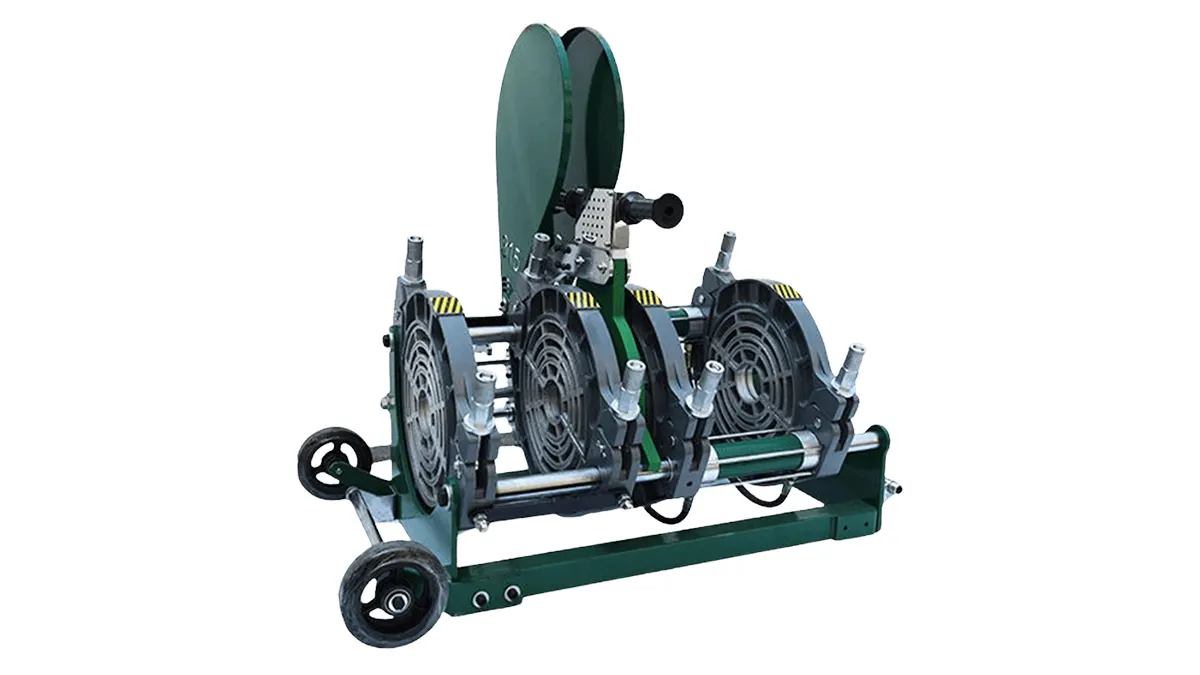
A maker with manual, hydraulic and CNC automatic options covers diverse needs. Check for precision heating plates, accurate displacement control, and digital logging for traceability.
Build quality & materials
Sturdy frames, corrosion-resistant finishes and quality hydraulic components matter for long service life in coastal and wetland environments common in the Netherlands.
Local support & spare parts
Fast spare parts delivery and local service partners reduce downtime. Confirm spare parts stock, shipping times to EU ports and whether the maker has local agents or trained service technicians.
After-sales training & documentation
On-site training, welding procedure specification (WPS) support and clear manuals in English (or Dutch) are crucial for consistent weld quality and tender compliance.
References & case studies
Ask for recent projects in northern Europe, municipal water boards, gas distribution or civil works. Real-world references reveal performance under similar conditions.
| Machine Type | Best For | Diameter Range | Key Benefit |
|---|---|---|---|
| Manual Butt Fusion | Small jobs, service connections | 20–160 mm | Low cost, portable |
| Hydraulic Butt Fusion | Medium to large pipelines | 63–1250 mm | Stable pressure control, durable |
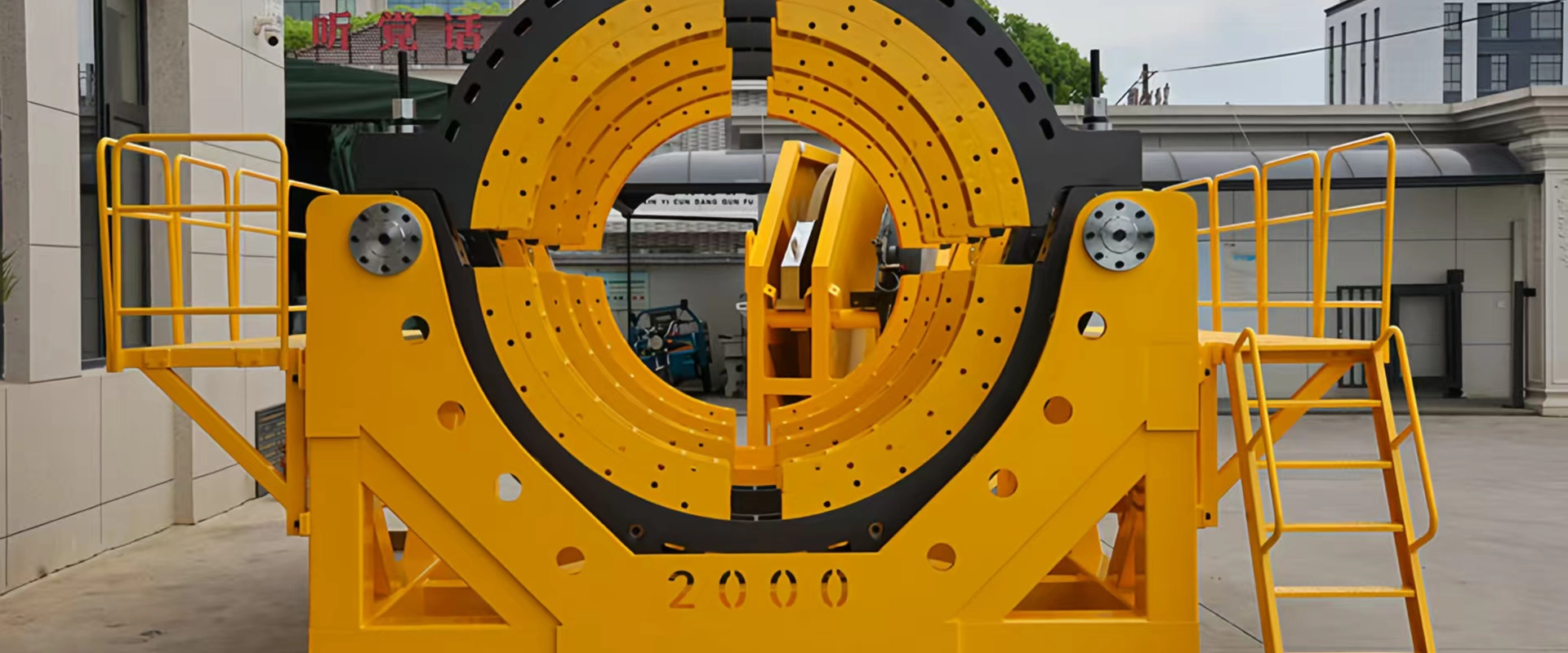
| Automatic/CNC Butt Fusion | High-volume, precision projects | 160–2000+ mm | Repeatable welds, digital records |
Why Netherlands-specific Considerations Matter
The Netherlands has strict regulations for drinking water, wastewater and gas infrastructure, plus tendering procedures that demand documented weld records, CE-compliant equipment and reliable local support. Flood-prone and coastal project sites mean corrosion resistance and stable hydraulic performance are particularly important. Contractors and municipal buyers often prioritize machines that provide traceable weld reports for long-term infrastructure warranties.
How to Shortlist a Maker
Request detailed datasheets, calibration certificates and example weld logs. Ask for lead times to EU ports, spare parts turnaround, and whether the maker offers operator training in the Netherlands. Request references from similar projects—water boards and civil contractors are ideal.
JQ-Fusion is a professional manufacturer specializing in HDPE pipe welding machines and provides manual, hydraulic and CNC automatic butt fusion solutions suitable for global infrastructure projects.
Questions to Ask Before Buying
Can you provide CE and ISO certificates?
What is your typical delivery time to an EU port and do you assist with customs documentation?
Do you supply spare parts kits and what are typical lead times?
Is operator training available in Dutch or English, and do you provide WPS/record-keeping software?
Final Decision Checklist
Before finalizing, confirm warranty terms, availability of local technical support, the machine’s compatibility with the pipe materials and SDR classes you use, and request a sample weld report. Prioritize makers who combine robust equipment with clear documentation and fast spare parts access to minimize project risk in the Netherlands.
Next steps
Shortlist 3–5 makers, compare technical offers and lifecycle costs, schedule vendor demos or factory video tours, and check references. The right partner will not just sell equipment but will support consistent, traceable weld quality across all your Dutch infrastructure projects.



