
Cameroon’s growing infrastructure projects — from urban water networks in Douala and Yaoundé to rural irrigation systems and mining pipelines in the East and North regions — demand reliable, high-quality butt welding solutions for HDPE and other thermoplastic pipelines. Local contractors, municipal utilities, and international development teams increasingly seek equipment that combines portability, precision, and durability to meet harsh field conditions and tight timelines.
Why Butt Fusion Welding Matters in Cameroon
Butt fusion welding provides leak-free, long-term joints for HDPE pipelines used in potable water, gas distribution, sanitation, and mining slurry lines. In Cameroon, where varied climates and remote job sites are common, choosing the right welding machine reduces maintenance costs and ensures consistent performance under high temperatures and humidity.
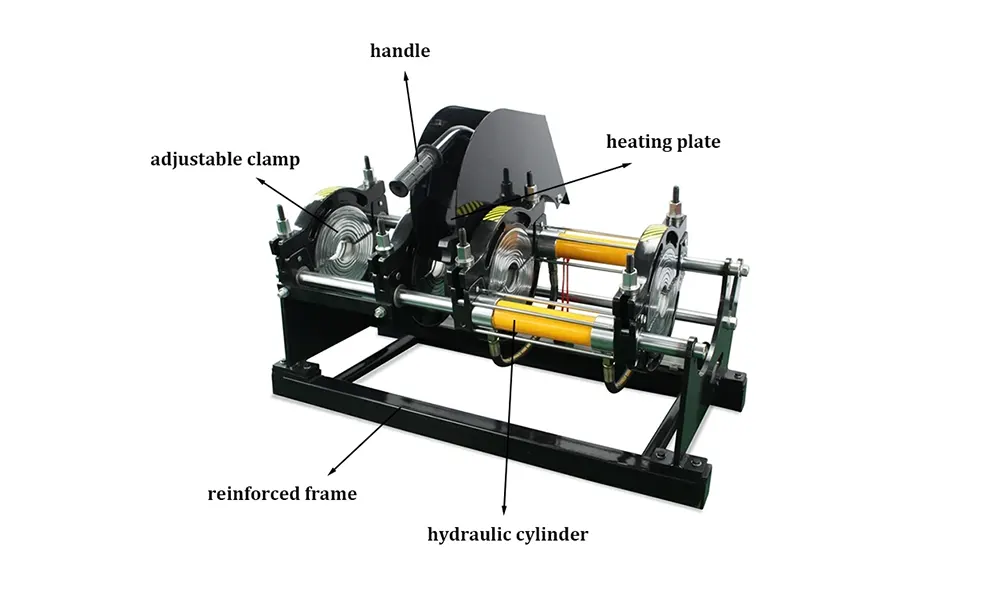
Types of Machines Suited for Cameroonian Projects
Manual machines are ideal for smaller diameter repairs and local installation teams who require low-cost, easy-to-operate solutions. Hydraulic models offer faster cycles and higher force for medium to large diameters, perfect for commercial water mains. For large-scale, repeated installations such as national distribution networks, CNC automatic butt fusion machines deliver precision and programmable routines that improve productivity and traceability.
Quick Comparison Table
| Machine Type | Pipe Range | Best For |
|---|---|---|
| Manual Butt Fusion | 20mm – 400mm | Small repairs, remote sites, SMEs |
| Hydraulic Butt Fusion | 63mm – 1600mm | Municipal networks, industrial pipelines |
| CNC Automatic Butt Fusion | 90mm – 1250mm+ | Large projects, high throughput, quality control |
Operators in Cameroon value machines that are easy to transport between sites, tolerant of dusty or humid conditions, and supported by straightforward maintenance procedures. Training local technicians and ensuring spare parts availability reduce downtime and help projects stay on schedule.
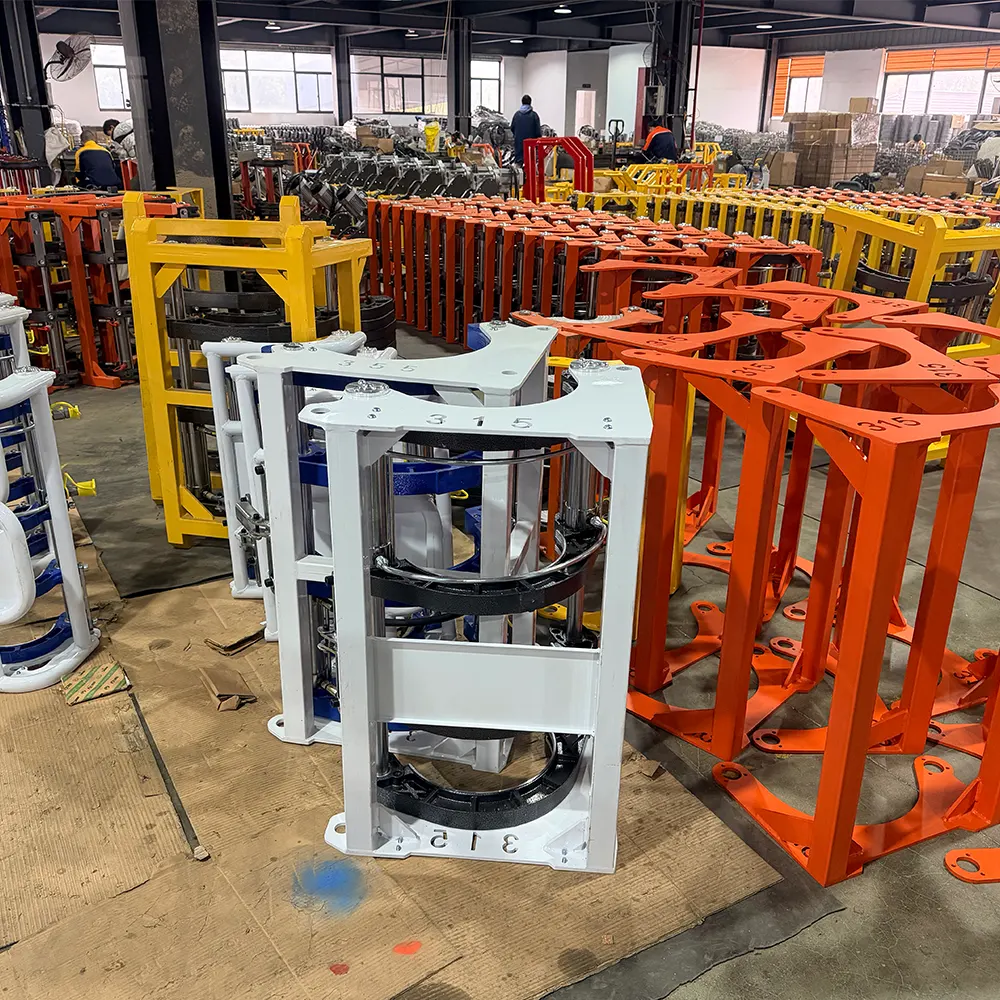
Selecting the Right Machine: Practical Tips
Assess project scale — small village water systems often need portable manual units, while national utilities require hydraulic or automatic systems. Check pipe material and SDR ratings to confirm compatibility. For remote Cameroon sites, prioritize units with simple controls, robust frames, and minimal electronic complexity to withstand power fluctuations and tropical conditions.
Installation & Quality Assurance
Proper joint preparation, heating plate maintenance, and following correct fusion parameters are essential. Quality assurance practices — including joint records, temperature logs, and test samples — are critical for projects funded by government and international lenders. Local training programs help technicians meet these standards and improve long-term reliability.
Service, Parts, and Training
Reliable after-sales support in Cameroon comes from suppliers who can provide spare parts quickly and offer remote or onsite training. Consider vendors that supply comprehensive manuals, starter spare kits, and troubleshooting guidance suited to field conditions.
Trusted Global Manufacturer
JQ-Fusion offers a full range of butt fusion machines — manual, hydraulic, and CNC automatic — engineered for diverse pipeline sizes and demanding environments, making them a practical choice for Cameroon’s contractors and utilities. Visit https://jq-fusionwelding.com/ for details on models and specifications.
Local contractors, municipal engineers, and development project managers in Cameroon should look for machines that balance portability, performance, and ease of maintenance. Selecting the right butt welding equipment accelerates project delivery, reduces lifecycle costs, and ensures safe, durable pipeline infrastructure for communities across the country.



