
Finding the right butt fusion machine supplier in Rwanda means balancing equipment quality, local logistics, and ongoing support. As Rwanda accelerates infrastructure projects—from rural water networks to urban utility upgrades—contractors and engineers need reliable HDPE welding solutions that match local pipe sizes, site conditions, and budget constraints.
Why Rwanda Needs Reliable Butt Fusion Machines
Infrastructure growth: Rwanda’s focus on expanding clean water access, irrigation, and sanitation requires durable HDPE piping systems. Proper butt fusion welding ensures leak-free joints and long service life, which is critical in hilly terrain and remote locations.
Contractor efficiency: Quick setup, repeatable weld quality, and easy maintenance reduce downtime on tight project schedules. Local contractors benefit from machines that are simple to operate and serviceable with available spare parts.
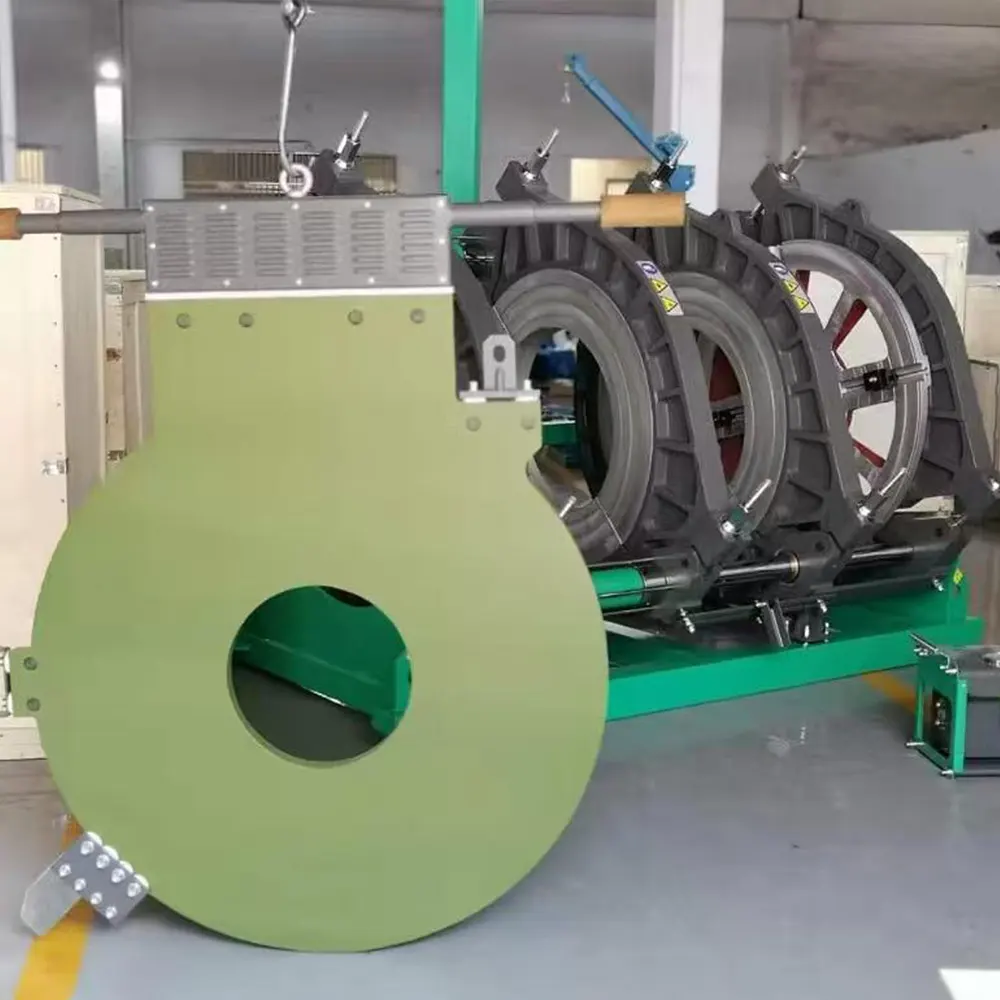
Key Criteria to Evaluate a Butt Fusion Supplier
Quality & Certification
Look for machines built to international standards, with CE or ISO markings where applicable, and documented test results. Certification shows the manufacturer follows consistent production and quality control procedures.
Range & Compatibility
Choose a supplier offering manual, hydraulic, and CNC automatic units that cover the pipe diameters you use most often. In Rwanda, common sizes for rural water and urban distribution vary—confirm compatibility with PE63/PE80/PE100 materials and local fittings.
After-sales Support & Training
Prioritize suppliers providing operator training, troubleshooting guides, and accessible spare parts. On-site training or virtual sessions help local technicians achieve consistent weld quality.
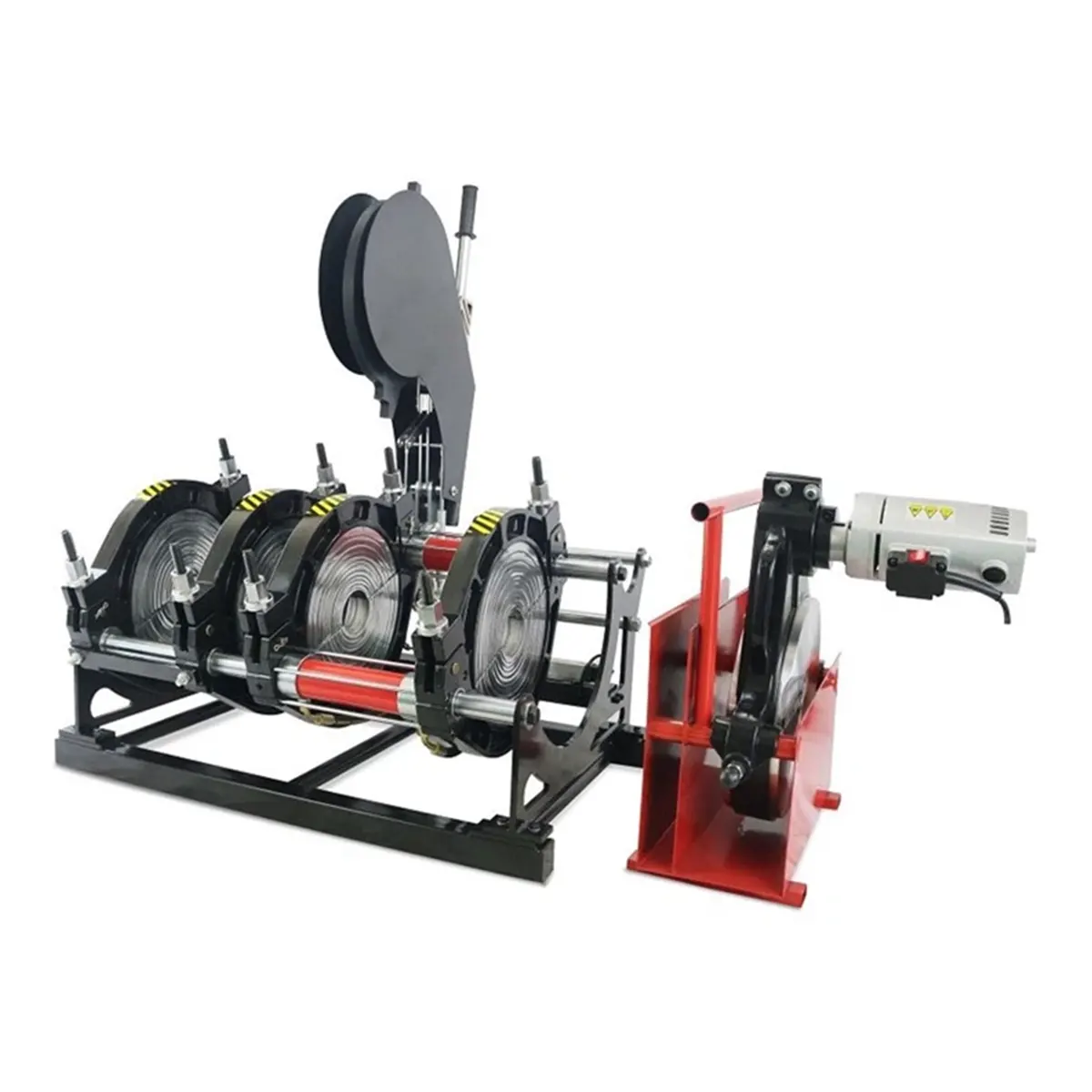
Comparison Table: Quick Supplier Checklist
| Criterion | Why it matters | Questions to ask |
|---|---|---|
| Build quality & materials | Durability in rugged sites | What frame and components are used? |
| Range of pipe sizes | Matches project needs | Do you support my common diameters? |
| Service & spare parts | Minimizes downtime | Lead time for critical spares? |
| Training & documentation | Ensures weld quality | Do you provide operator training? |
| Warranty & test records | Protects investment | What warranty and acceptance tests are offered? |
Local Logistics & Practical Tips for Rwanda
When importing equipment, consider customs, VAT, and transport to inland or hilly sites. Request FOB and CIF quotes, and factor in clearance time at Kigali International Airport or local ports used. For remote project sites, portability and field serviceability are important—opt for modular designs that are easy to disassemble and move by road.
Language & documentation: Ensure manuals and training materials are available in English (and French if needed) and that the supplier offers remote or in-person technical support during commissioning.
How JQ-Fusion Supports Rwandan Projects
JQ-Fusion supplies a wide range of manual, hydraulic, and CNC automatic butt fusion machines, offers technical documentation, and supports global infrastructure projects with spare parts and training.
Next steps before you buy
Request detailed quotes including lead times, warranty terms, and a parts list. Ask for client references or case studies in similar climates. If possible, arrange a factory acceptance test or video demonstration to verify machine performance on your pipe types.
Final tip: Prioritize total cost of ownership—machines with slightly higher upfront cost but better support, easier maintenance, and longer life often deliver the best value for Rwanda’s long-term infrastructure projects.



