
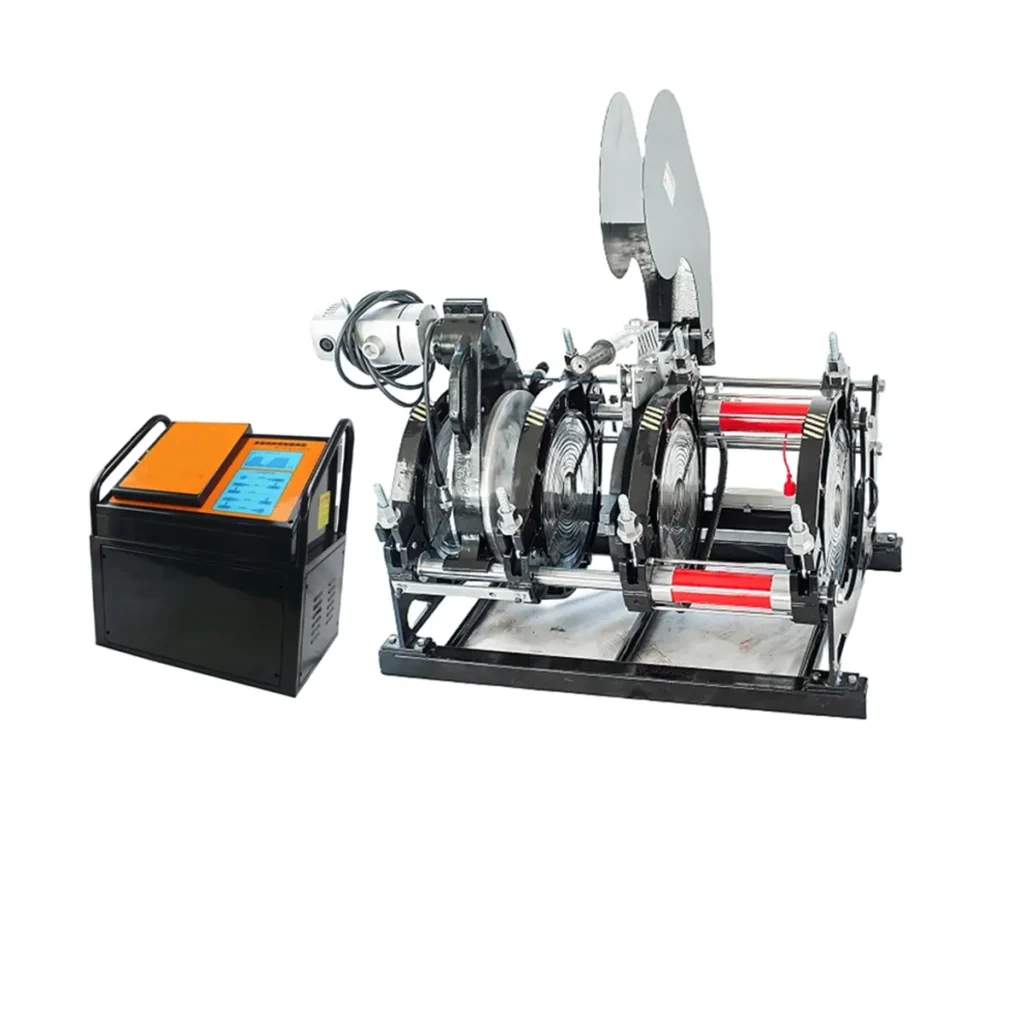
Saudi Arabia’s rapid infrastructure expansion — spanning water distribution, large-scale municipal projects, oil & gas pipelines and desalination networks — demands dependable pipe welding solutions. Selecting the right HDPE pipe welding equipment from a reputable pipe welding machine factory in Saudi Arabia ensures long-term performance, efficient installation and reduced maintenance in harsh desert and coastal environments.
Why HDPE Butt Fusion is Ideal for Saudi Projects
Butt fusion welding of HDPE pipes provides leak-free, corrosion-resistant joints that perform well under the region’s high temperatures and variable soil conditions. For contractors working on irrigation networks, treated water transmission or buried gas lines, butt fusion offers consistent joint strength and fast on-site productivity compared with mechanical fittings or solvent-based systems.
Key Machine Types and Site Uses
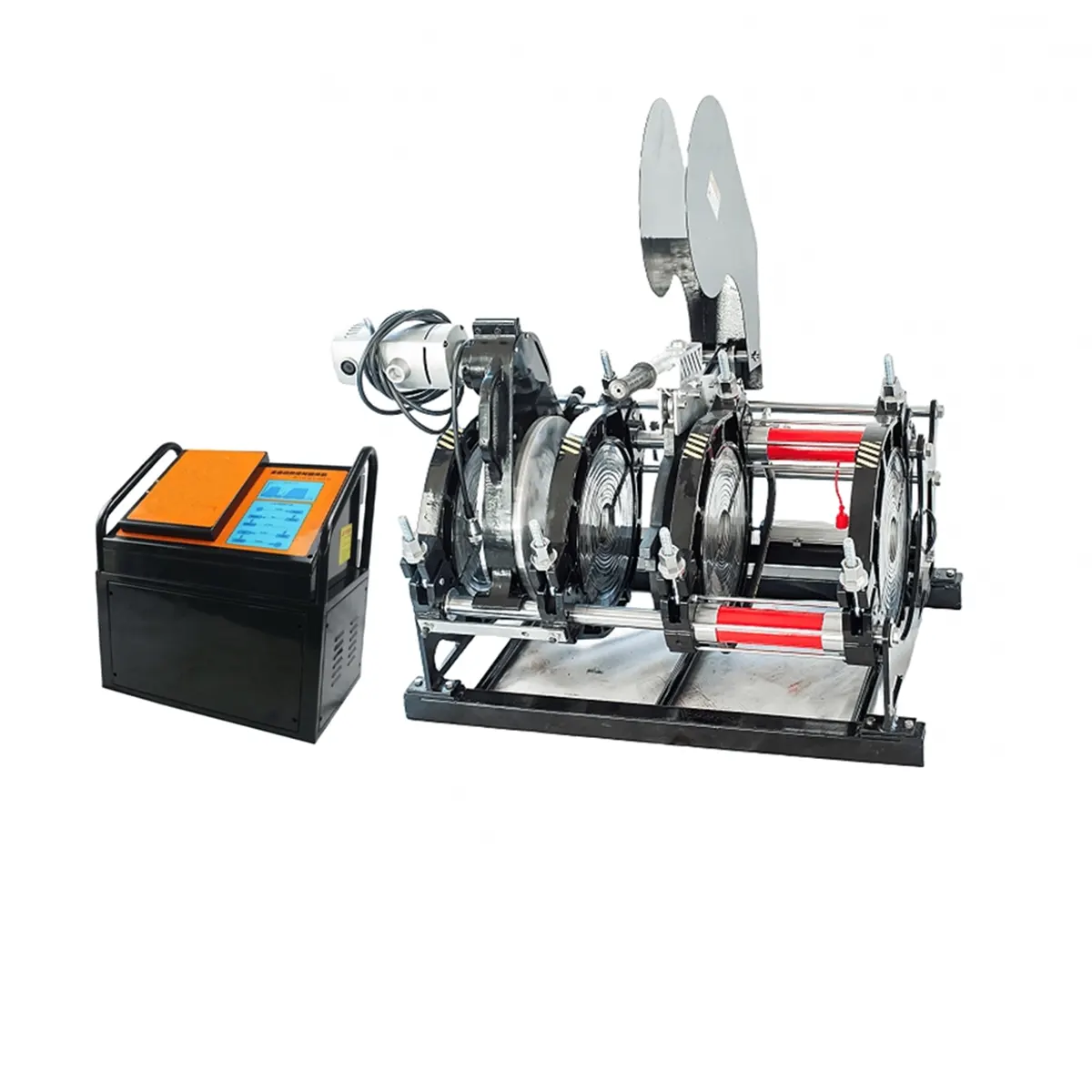
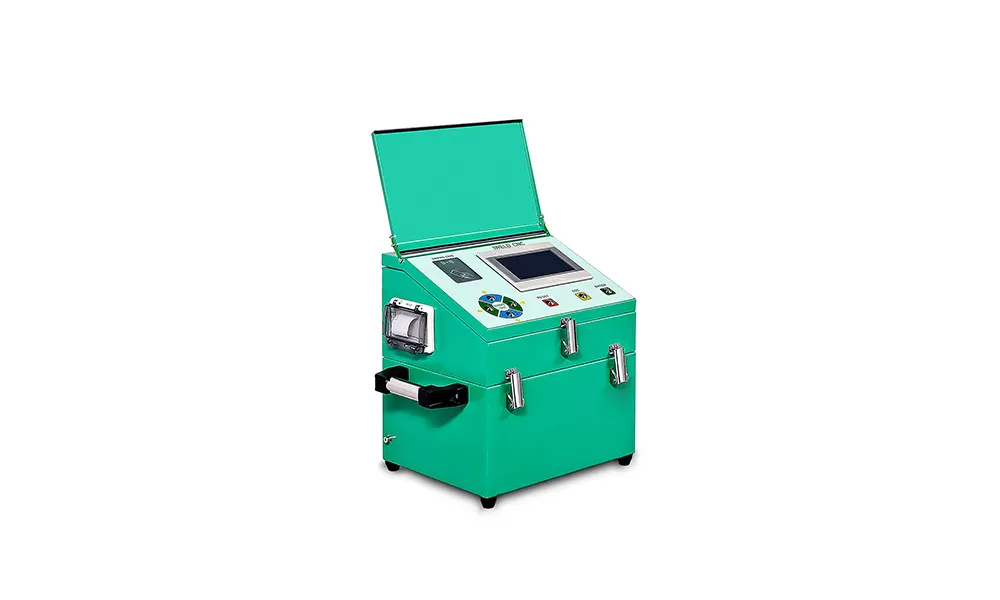
Factory-made welding units come in three primary types to match project scale and labor availability: manual machines for small-diameter distribution lines, hydraulic models for medium-to-large diameters, and CNC automatic systems for long runs and production-oriented sites. Choosing the right type improves weld repeatability and reduces rework.
Compact Features That Matter
Look for features such as quick clamping systems, accurate facing/trimming units, reliable heater plates, and easy-to-read control interfaces. These features shorten cycle times and simplify training for local crews and international contractors operating across Saudi provinces.
Comparative Specification Table
| Machine Type | Pipe Range (mm) | Typical Application |
|---|---|---|
| Manual Butt Fusion | 20–160 | Local water distribution, small repairs |
| Hydraulic Butt Fusion | 160–1250 | Municipal mains, gas networks |
| CNC Automatic Butt Fusion | 250–2000+ | Large-diameter trunklines, industrial pipelines |
Durability & Climate-Ready Design
Equipment destined for Saudi sites must resist sand ingress, temperature extremes and saline coastal air. Machines with sealed bearings, corrosion-resistant fasteners and robust hydraulic systems extend service life under continuous use. Portable units designed for desert logistics and quick assembly reduce downtime between job sites.
Field Support, Training & Local Considerations
Successful deployment in Saudi Arabia relies on accessible spare parts, certified training for technicians, and flexible warranty terms. Mobile training sessions that focus on welding parameters, joint inspection and equipment upkeep help mixed local and expatriate crews maintain consistent weld quality across desert and coastal projects.
Compliance & Quality Assurance
Choose machines and welding procedures that align with international and client-specific standards. Proper documentation of weld cycles, pressure testing and traceability strengthens bids for government and petrochemical contracts, and promotes long-term asset reliability.
How to Choose the Right Factory Partner
When evaluating a pipe welding machine factory in Saudi Arabia, prioritize proven manufacturing experience, comprehensive machine ranges, spare parts availability and training programs. For full specifications, custom configurations, and export-ready packaging, visit the manufacturer’s website to request datasheets and on-site demonstration options: https://jq-fusionwelding.com/
Whether building new distribution networks, upgrading existing mains, or executing industrial pipeline projects, selecting the correct HDPE welding equipment and partner ensures safer, faster and more economical installations tailored to Saudi Arabia’s demanding conditions.



