
Finding the best poly pipe welder manufacturer for projects in Malta means balancing machine performance with island-specific needs: portability for narrow streets, fast delivery across EU routes, compliance with European standards, and reliable after-sales support for municipal water, agriculture, and construction contractors.
Why Malta’s buyers need a tailored approach
Malta’s dense urban areas, seasonal infrastructure works, and strong regulatory alignment with EU standards make certain supplier attributes more important than price alone. Local contractors and municipal specifiers typically prioritise CE-certified equipment, compact transport-ready units, and easy-to-source spare parts to minimise downtime on job sites across the islands.
Key performance factors to evaluate
Evaluate welding machines for accuracy, repeatability, and ease of training. For Maltese projects that often involve both small-diameter irrigation lines and medium-diameter municipal pipes, look for machines that offer a wide size range, straightforward calibration, and robust clamping systems that perform well in variable site conditions.
Types of poly pipe welding machines and where they fit
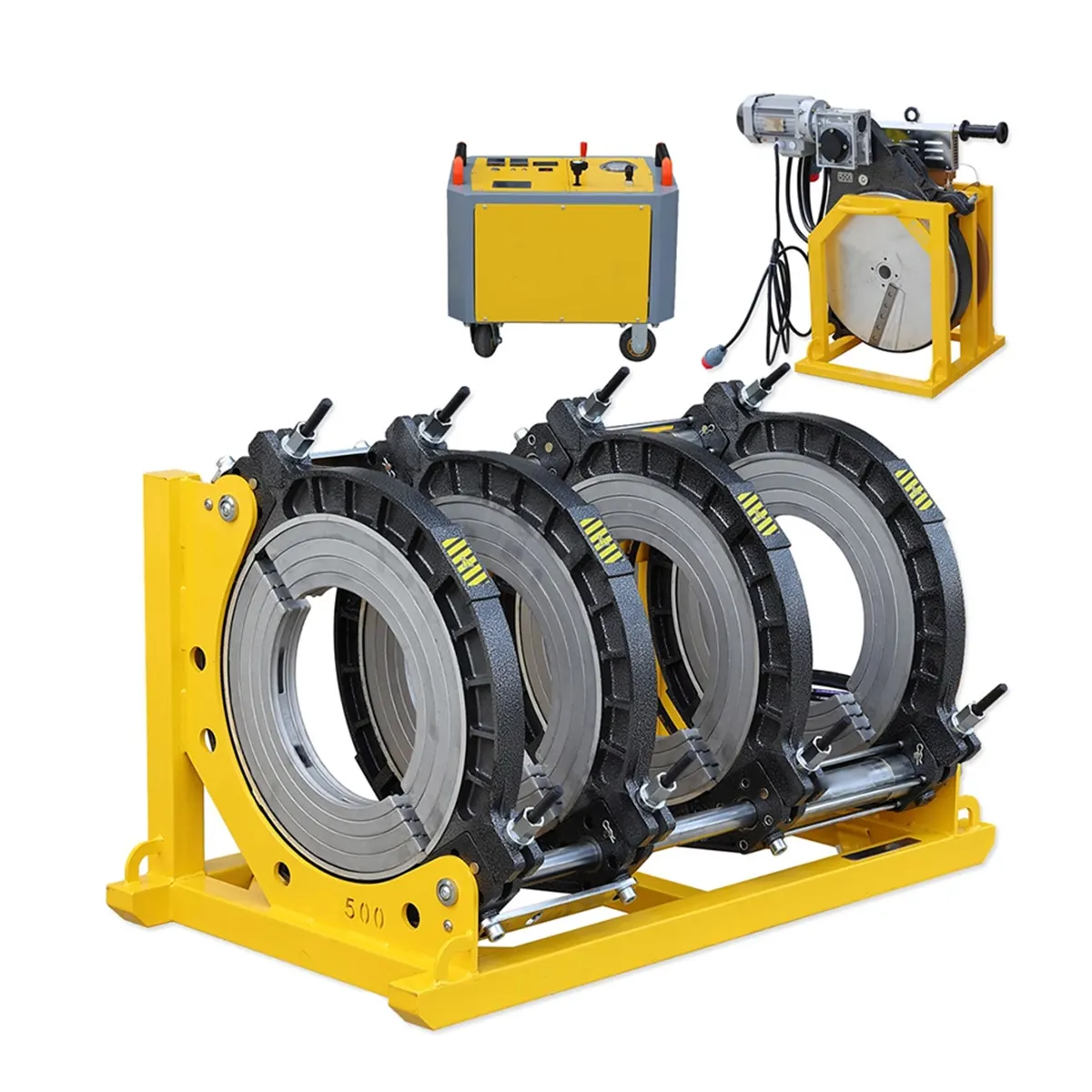
Manual butt fusion machines — best for small budgets, portable repairs, and confined urban sites. Hydraulic machines — suitable for higher pressure distribution pipelines and repeatable welds on medium diameters. Automatic/CNC machines — ideal for large projects and contractors working on long runs where data logging and precision timing matter. Multi-angle fitting machines are essential when many fittings or branches are present in a project.
Local logistics and after-sales support
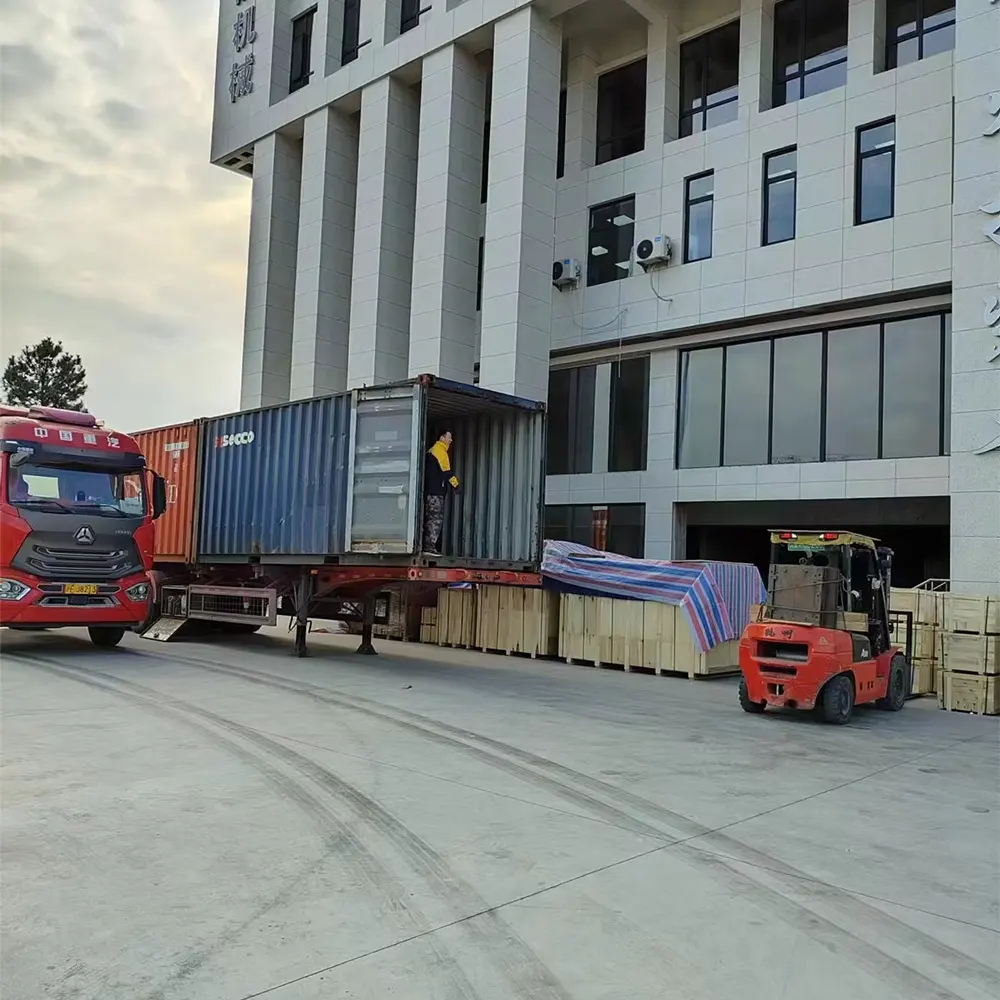
Because Malta is an island, factor shipping times, customs clearance, and local technical support into your decision. Choose a manufacturer or distributor who can provide spare parts shipping to Valletta or Marsa quickly, and who can assist with remote troubleshooting or on-site commissioning when needed.
Practical checklist for choosing the best manufacturer
Use the table below to compare vendors quickly. It highlights the criteria Maltese buyers most value and what to expect from a top supplier.
| Criteria | What to look for |
|---|---|
| Certification & standards | CE marking, EN ISO compliance, clear welding procedure documentation |
| Range & adaptability | Covers common pipe sizes used locally (e.g., 63–315mm and beyond), modular fixtures |
| Portability & packaging | Compact models, sturdy packaging for sea freight, quick site setup |
| Spare parts & service | Fast spare parts shipping, remote support, field training options |
| Data & traceability | Weld logs, USB/printable reports for project QA |
| Warranty & durability | Clear warranty terms, robust frames and components for coastal environments |
Questions Maltese specifiers often ask
How quickly can the machine be delivered to Malta? Ask suppliers for realistic lead times including sea freight and local clearance. For urgent needs, select suppliers with stock in EU warehouses or fast production slots.
Will training be provided? Prioritise manufacturers who offer on-site commissioning or online training sessions, plus easy-to-follow manuals and welding procedure specifications.
Cost vs. lifetime value
In Malta, cheaper machines can cost more over their lifecycle if spare parts are slow to arrive or weld consistency is poor. Balance initial price with expected downtime costs, available technical support, and the supplier’s reputation for durability.
A practical next step
For contractors and procurement teams in Malta evaluating vendors, request sample weld reports, a spare parts list, and references from EU projects. Consider visiting a manufacturer’s demo or asking for a short-term rental to test field performance. For a reliable sourcing option, review JQ-Fusion’s product range and documentation at https://jq-fusionwelding.com/.



