
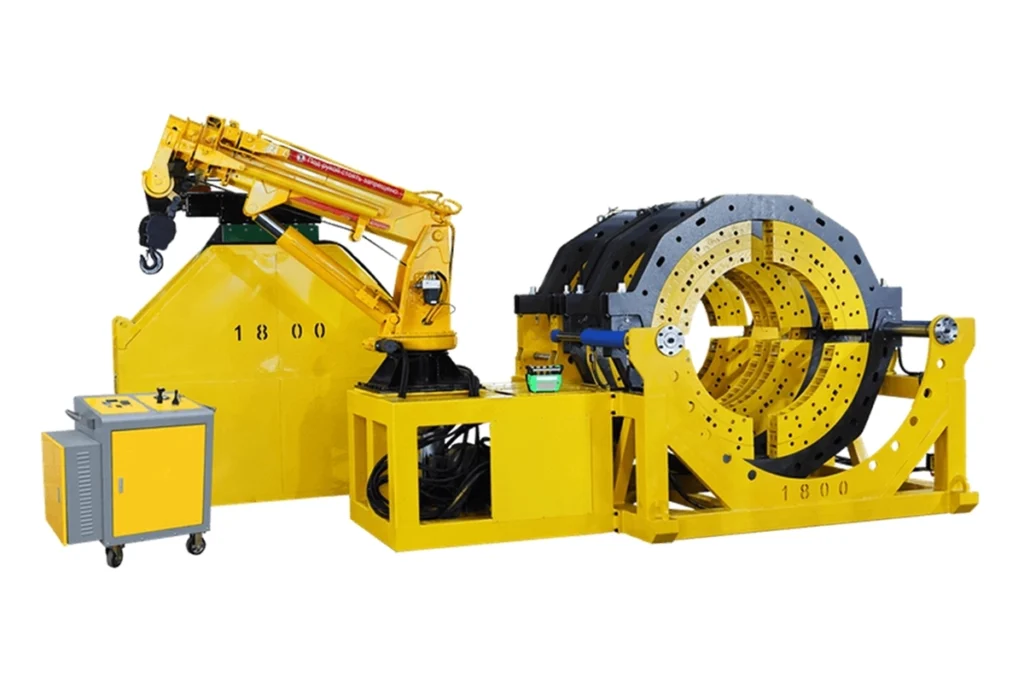
Finding a reliable butt welder maker in Belgium means choosing equipment that meets strict European standards, adapts to varied site conditions across Flanders, Wallonia and Brussels, and supports the rapid pace of infrastructure projects such as municipal water upgrades, gas distribution maintenance and industrial pipeline installations.
Why Belgian Contractors Choose Modern Butt Fusion Solutions
Durability and compliance are top priorities in Belgium, where contractors and utilities expect machines that conform to EN and ISO standards for HDPE pipe welding. Compact manual units, hydraulic frames, and CNC automatic butt fusion machines each address different project scales—from urban trench works in Brussels to large-diameter mains replacement in industrial zones.
Local challenges and machine selection
Belgian job sites often require machines that are easy to transport on narrow streets, tolerate coastal humidity, and operate reliably in mixed-language teams. Look for intuitive controls, multilingual documentation, and robust after-sales support to minimize downtime during tight municipal windows.
Key benefits for Belgian projects
Consistency, speed, and leak-free joints make butt fusion the preferred method for HDPE pipelines used in drinking water, sewage, natural gas networks and industrial process lines. Machines that offer precise alignment and digital control reduce rework and help meet strict Belgian safety and quality inspections.
Choosing the Right Butt Welder: Types & Typical Uses
Match machine type to application: manual units for occasional repairs, hydraulic machines for medium-to-large pipes, and CNC automatic systems for high-volume or critical projects requiring traceable welding records.
| Model Type | Pipe Diameter Range | Key Feature | Typical Belgian Use Case |
|---|---|---|---|
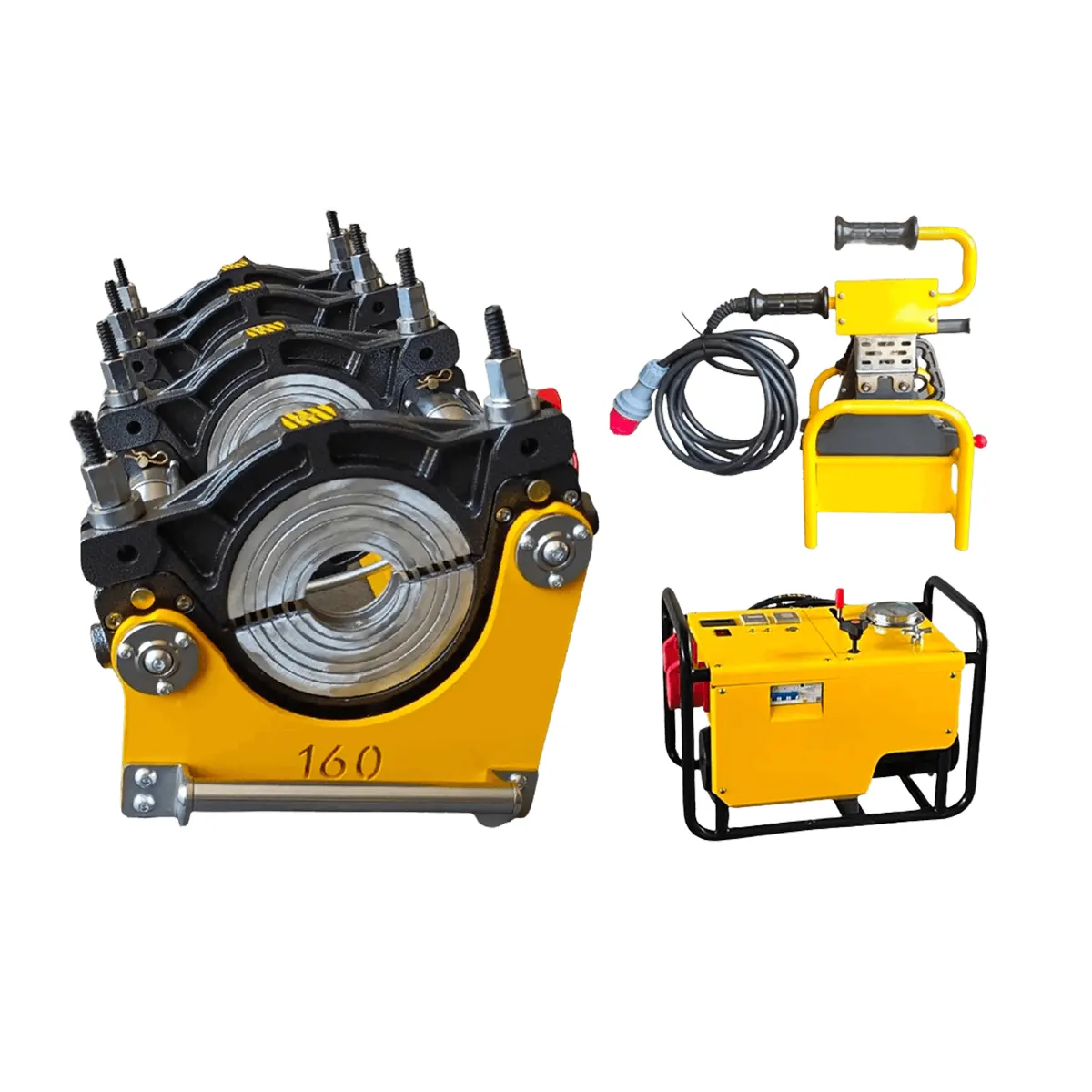
| Manual Butt Fusion | 16mm – 125mm | Portable, low-cost repair tool | Service teams for small-diameter distribution lines |
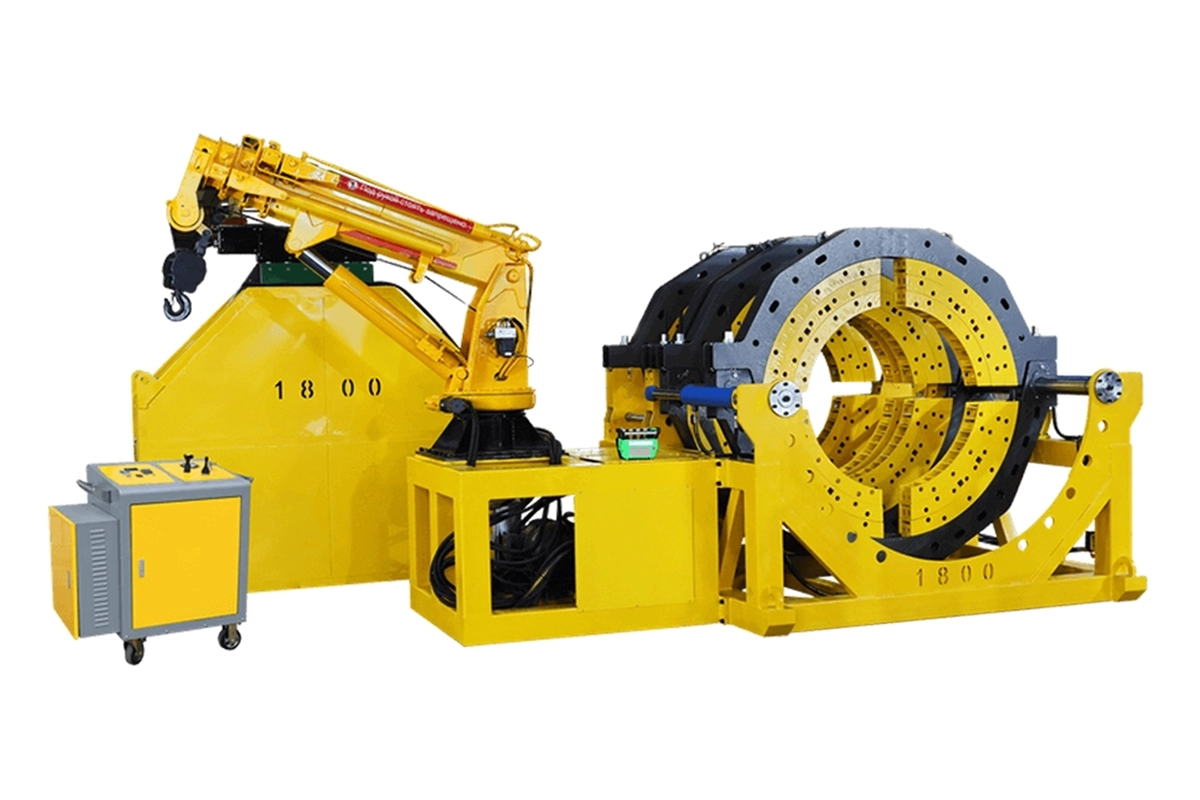
| Hydraulic Butt Fusion | 63mm – 2250mm | High clamping force, stable alignment | Municipal water mains and industrial pipelines |
| Automatic / CNC Butt Fusion | 63mm – 1600mm+ | Programmable weld cycles, data logging | Large infrastructure projects and utility contractors |
Performance features to prioritize
When sourcing equipment for Belgian applications, prioritize: reliable heating plates with even temperature distribution, strong aluminum or steel clamp frames for accurate alignment, and user-friendly controls that support multilingual operators. Traceable weld records (digital logs or printed reports) are increasingly requested by utilities and project owners.
Service, Spare Parts & Training in Belgium
Fast spare parts delivery and localized training sessions are essential for minimizing downtime. Belgian teams benefit from on-site commissioning and certified training that covers best practices for joint preparation, fusion parameters, and cold weather procedures common in northern Europe.
Environmental and regulatory considerations
Belgian projects often emphasize sustainability and long-term leak prevention. HDPE systems welded with proper butt fusion techniques provide corrosion-free service life and reduced environmental risk compared with some metal alternatives.
How to evaluate suppliers
Ask for: machine performance data, conformity certificates, case studies from European projects, and a clear service plan. Consider suppliers offering both standard models and customizable options to fit site logistics and project scale.
Contact & next steps
For procurement-ready solutions and machine specifications, visit the manufacturer’s website: JQ-Fusion — a specialist in HDPE pipe welding machines offering manual, hydraulic and CNC automatic butt fusion equipment suited for Belgian infrastructure needs.



