
Guatemala’s growing infrastructure projects—from municipal water networks and agricultural irrigation systems in the highlands to mining and gas distribution in the lowlands—demand durable, efficient, and field-ready HDPE pipe welding solutions. Choosing the right butt fusion welding equipment ensures leak-free joints, fast installation, and long-term resilience under Guatemala’s varied climate and seismic conditions.
Reliable HDPE Welding Solutions for Guatemala’s Infrastructure
HDPE welding machines are essential for contractors, municipal utilities, and engineers working on water supply, irrigation for coffee and sugar plantations, and pipeline projects near Guatemala City, Antigua, and remote rural communities. Machines that combine portability, precision, and robust build quality reduce downtime and deliver consistent joint strength across diverse job sites.
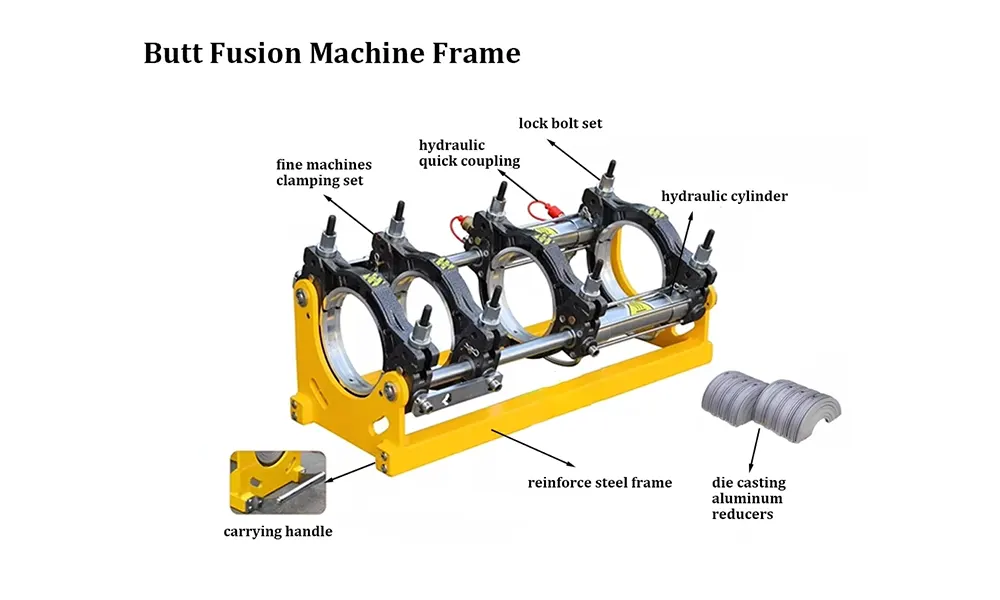
Machine Types: Manual, Hydraulic, and Automatic
• Manual butt fusion machines: Ideal for remote or small-diameter repairs where mobility and simplicity matter.
• Hydraulic butt fusion machines: Best for medium to large pipe sizes used in municipal water and industrial pipelines; hydraulics deliver stable, repeatable pressure for reliable joints.
• Automatic/CNC machines: Designed for large-scale projects and contractors who need precise temperature and displacement control for high-throughput welding.
Key Features to Prioritize
• Accurate temperature control: Ensures proper melting and fusion of HDPE surfaces under Guatemala’s variable ambient temperatures.
• Robust clamping systems: Prevent slippage on dusty or uneven terrain common at rural sites and construction zones.
• Portable power options: Models that run on standard electrical supplies or generator power are essential for field operations outside urban centers.
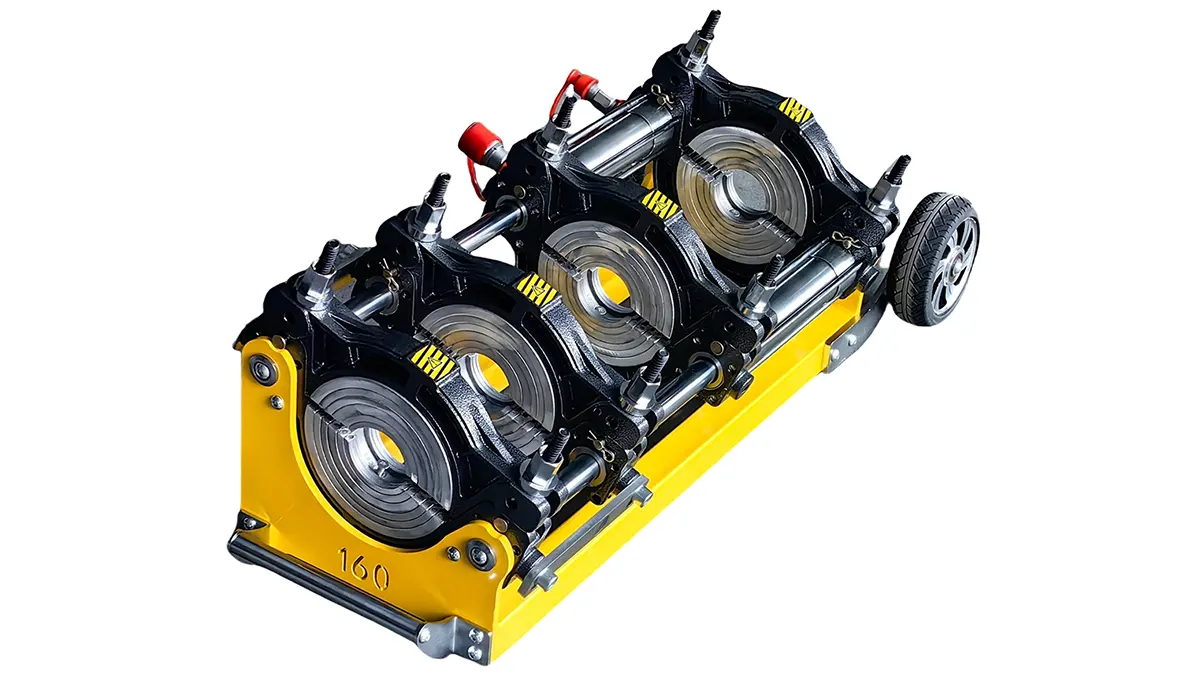
Practical Considerations for Guatemalan Contractors
• Pipe size range: Match the machine to your common diameters—residential water lines, large irrigation mains, or industrial-size conduits.
• On-site support and training: Spanish-language manuals and technician training shorten the learning curve and raise weld quality across local crews.
• Logistics: Consider port access (Pacific and Atlantic), customs lead times, and the availability of spare parts when specifying equipment for long-term projects.
| Model | Pipe Diameter | Power | Best For |
|---|---|---|---|
| Manual Frame Series | 20–315 mm | Hand / Small Motor | Field repairs, rural installations |
| Hydraulic JQH Series | 160–1600 mm | Hydraulic / Electric | Municipal water, irrigation mains |
| Automatic JQA Series | 200–630 mm | CNC / Electric | Large projects, high-precision welding |
Installation Best Practices in Guatemala
• Site preparation: Level and clean the bedding area to avoid uneven heating and misalignment during fusion.
• Environmental adjustments: Account for highland temperatures and UV exposure; use insulation covers or sun shades during heating cycles when necessary.
• Quality assurance: Record weld parameters—pressure, heating time, and cooling duration—to meet local regulatory standards and ensure traceability.
For reliable butt fusion equipment tailored to international infrastructure demands, JQ-Fusion offers a range of manual, hydraulic, and automatic HDPE welding machines suitable for Guatemala’s contractors and public works teams: https://jq-fusionwelding.com/
Final Tip
Invest in machines that balance portability and precision, ensure local operator training, and maintain a stock of critical spare parts to keep projects on schedule across Guatemala’s diverse terrain and project types.



