
Why HDPE Welding Equipment Matters in Iceland
Iceland’s unique landscape — from coastal fisheries and remote highlands to geothermal districts and urban utility networks — demands piping systems that resist corrosion, handle ground movement, and perform reliably in cold and variable conditions. HDPE piping, fused with professional-grade welding equipment, offers leak-free joints and long-term durability that local contractors, utility companies, and infrastructure projects rely on.
Common Icelandic Applications for HDPE Fusion
Water supply networks across municipalities and rural communities benefit from HDPE’s resistance to corrosion and low maintenance needs. In geothermal service zones and hot-water distribution systems, specially rated PE compounds and correct fusion methods ensure dependable performance. Fisheries, aquaculture, road drainage, and industrial plants also use HDPE piping where joint integrity and flexibility are critical.
Types of Welding Equipment Suitable for Iceland Projects
Choosing the right fusion method depends on pipe size, site access, and project scale. The most common equipment types are:
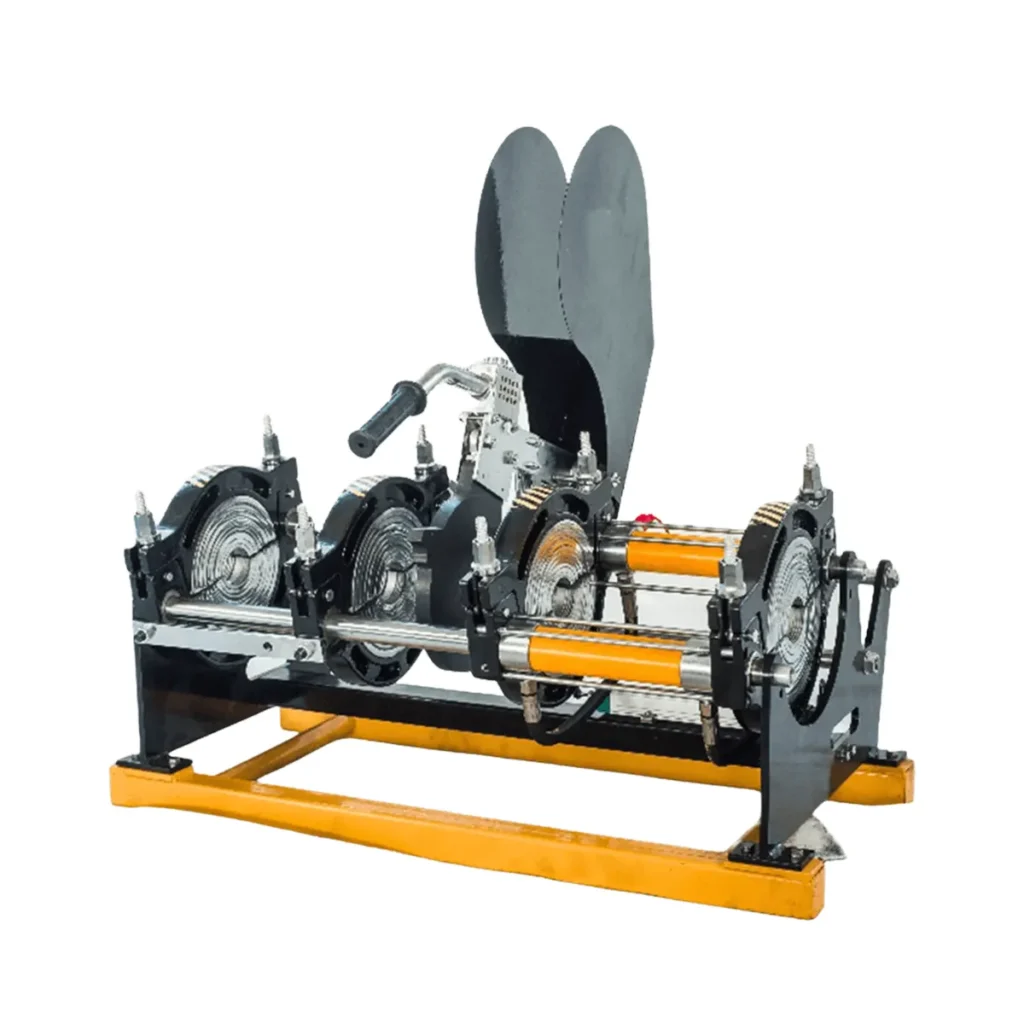
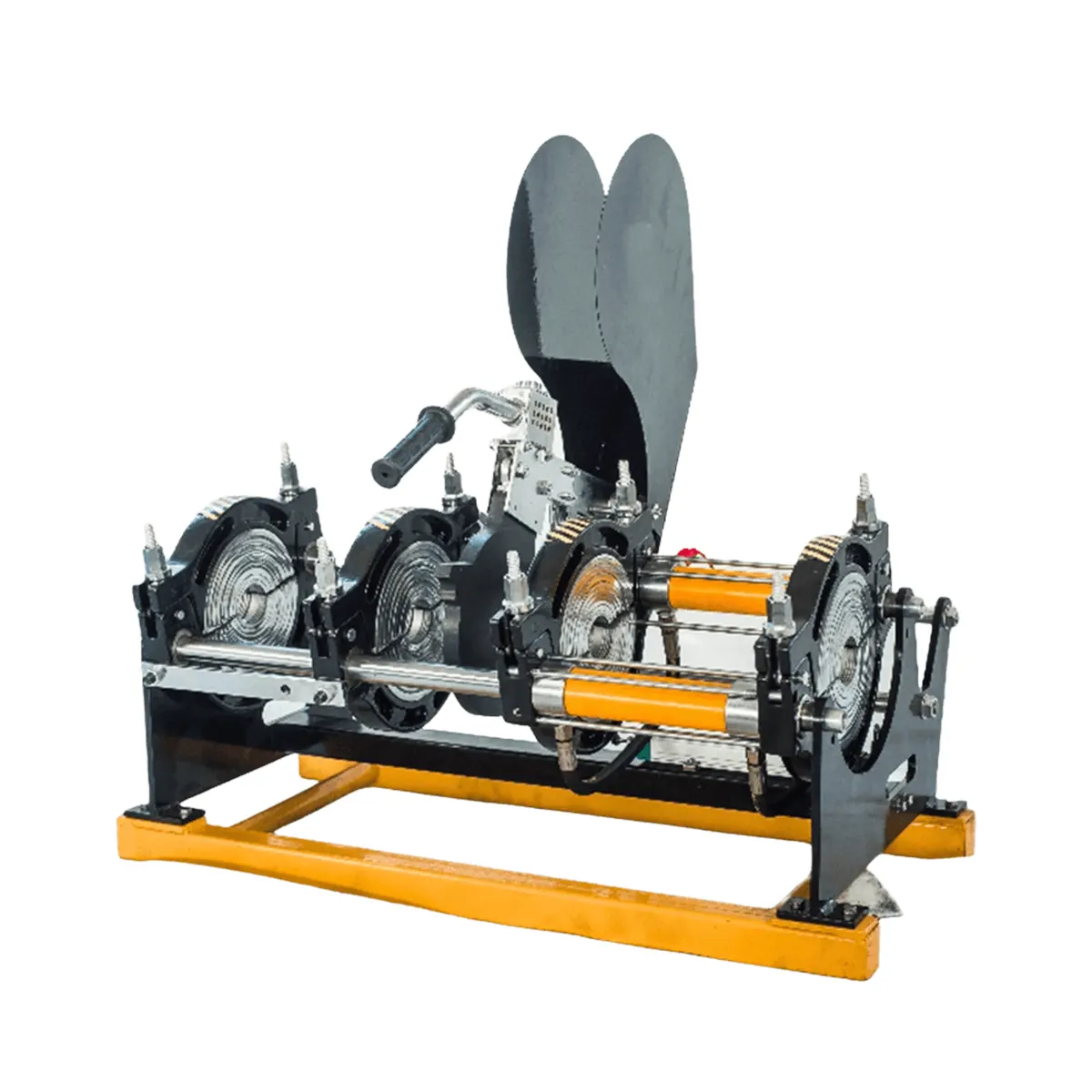
Butt Fusion Machines (Manual, Hydraulic, Automatic)
Butt fusion is ideal for larger-diameter pipes used in water mains and long stretches of buried piping. Automatic and CNC models improve consistency on long runs, while hydraulic units are preferred on rugged sites for precise clamping and alignment.
Electrofusion Welders
Electrofusion fittings are widely used for repairs, complex T-connections, and where excavation space is limited — common situations in urban Reykjavík or narrow rural roads. These welders are user-friendly and perfect for smaller-diameter service lines.

Key Features to Look For
Durability: Robust frames and corrosion-resistant components for coastal and geothermal sites. Portability: Lightweight manual frames and compact electrofusion units for remote farms and island communities. Accuracy: CNC/automatic machines for consistent heating and fusion cycles on long municipal pipelines.
Performance Comparison
| Machine Type | Pipe Range | Best For | Advantages |
|---|---|---|---|
| Manual Butt Fusion | 63–400 mm | Small towns, repairs | Affordable, portable |
| Hydraulic Butt Fusion | 160–2000+ mm | Large mains, industrial | High clamping force, stable |
| Automatic/CNC Butt Fusion | 63–1200 mm | Long pipelines, utilities | Repeatable, precise welds |
| Electrofusion | 20–630 mm | Service lines, confined sites | Quick, ideal for fittings |
Meeting Icelandic Conditions and Standards
In Iceland, installers must consider ground freeze/thaw cycles, coastal salt exposure, and occasional seismic activity. Proper fusion practices and certified equipment reduce joint failures. Ask suppliers for machines and procedures compliant with European fusion standards and for training resources tailored for field teams in Icelandic municipalities and contractors.
Installation Tips for Local Contractors
Pre-site checks: verify pipe material grades for geothermal or hot-water lines; Weather contingency: plan for wind and cold that can affect heating plate performance; Documentation: log fusion parameters for each joint to satisfy regulatory and utility audits.
Why Choose Proven Manufacturers
Local teams benefit from equipment backed by consistent production quality and service. JQ-Fusion provides a broad range of butt fusion and electrofusion solutions designed for infrastructure and industrial projects worldwide.
Next Steps for Procurement
Evaluate project scope (pipe diameters, site access, expected environmental stresses), request machine datasheets and local training packages, and compare warranty and spare-part availability. For Icelandic applications, prioritize machines with robust clamping, easy transport, and clear control of fusion cycles to ensure long-lasting pipelines.


