
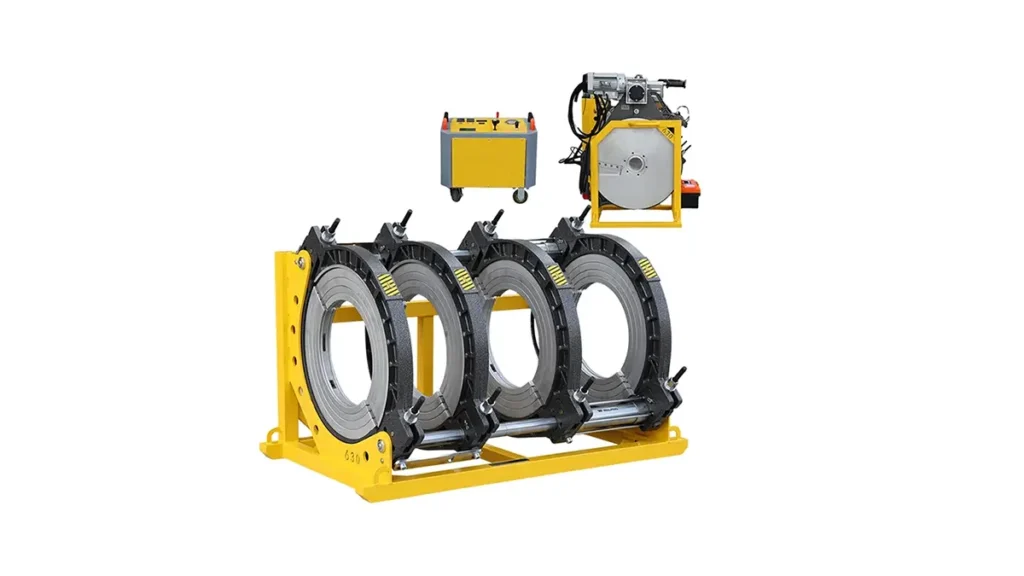
Butt fusion is the industry-standard method for joining HDPE pipes. This guide walks you through clear, practical operation steps for safe, repeatable welds — from pre-checks to final inspection — so teams on-site can achieve consistent pipeline integrity.
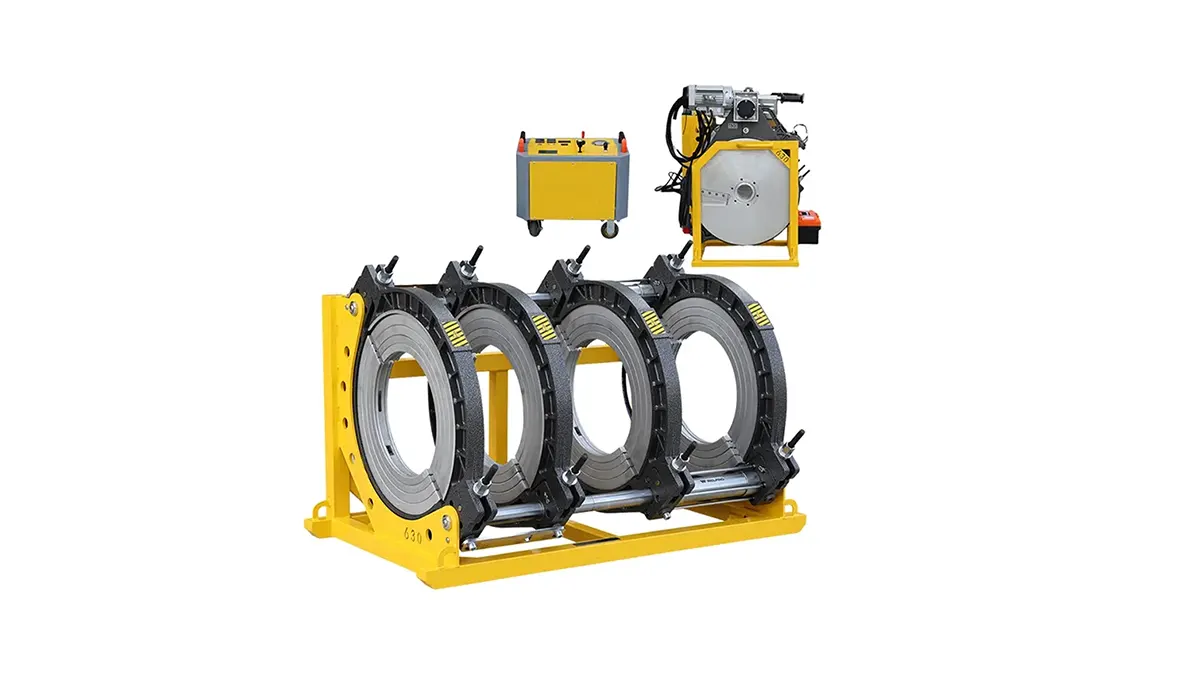
Why Proper Butt Fusion Matters
Correct procedure ensures leak-free joints, extends service life of the pipeline, and reduces costly field repairs. For water, gas, mining, and industrial systems, following the right sequence and parameters is essential to meeting regulatory and safety standards.
Pre-Operation Checklist
• Verify pipe material and SDR rating are compatible with the machine settings and fusion tables.
• Inspect machine components: clamps, hydraulic hoses, heating plate, facer cutter, and pressure gauge.
• Confirm ambient conditions: avoid direct rain, keep surfaces clean, and check for excessive wind or dust that could affect the heating plate.
• Prepare tools and consumables: clean cloths, PE primer (if required), spare heater plate, facer blades, and calibration chart.
Step-by-Step Operation
1. Set Up and Alignment
Position the machine on stable ground. Place pipe ends into clamps and use the alignment guides to ensure concentricity. Misalignment causes uneven fusion and weak joints — check visually and with feeler gauges if available.
2. Facing/Preparation
Use the facer to remove damaged or oxidized material from the pipe ends. Advance evenly until both faces are smooth, square, and free of melt flash. Keep the facer blades sharp for consistent surfaces.
3. Heating
Bring the heating plate to the specified temperature (refer to the fusion parameter table). Press the pipe ends gently against the heater with steady, even pressure until the melt bead reaches the recommended size.
4. Alignment Check and Final Fusion
Remove the heater and bring the hot pipe faces together immediately. Apply the specified fusion pressure, maintaining it for the required bond time. Avoid movement during this phase — even slight oscillations can cause defects.
5. Cooling and Handling
Keep the assembly clamped through the full cooling period. Do not disturb the joint until temperature and cooling time criteria are met; premature release risks stress cracks.
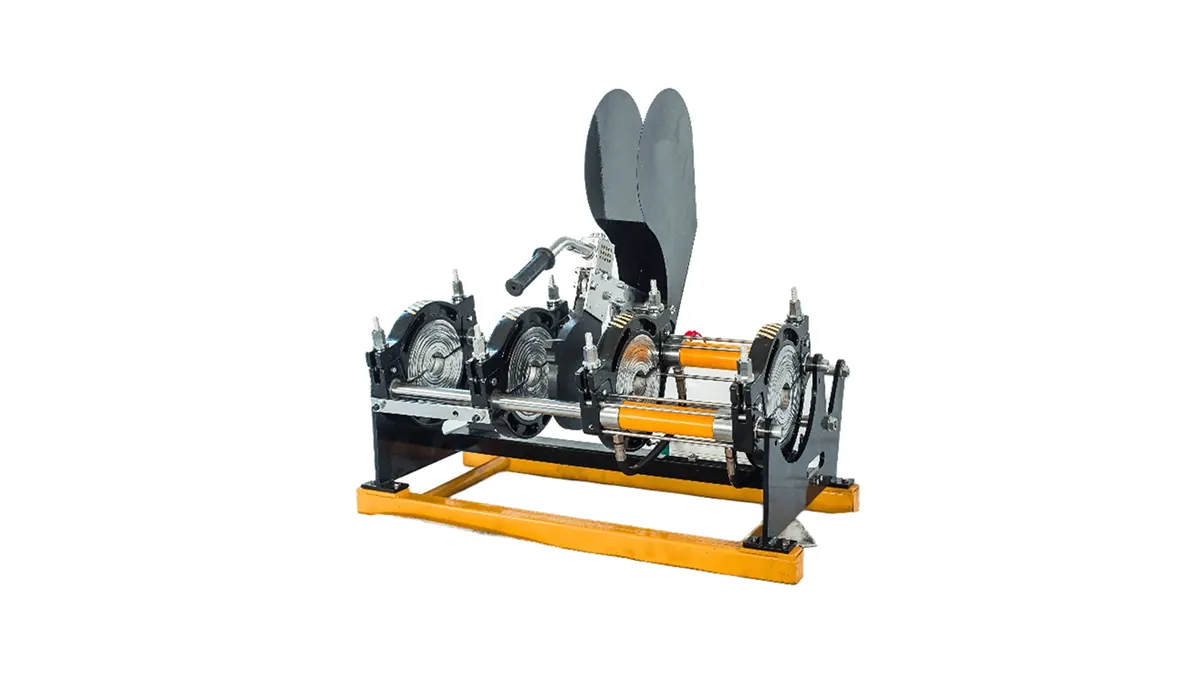
Typical Fusion Parameters
| Pipe OD (mm) | Heating Temp (°C) | Fusion Pressure (bar) | Cooling Time (min) |
|---|---|---|---|
| 20–63 | 200–220 | 4–6 | 3–6 |
| 75–160 | 200–220 | 6–8 | 6–12 |
| 180–630 | 200–220 | 8–12 | 12–30 |
Quality Control & Inspection
After cooling, trim excess bead if specified and perform visual inspection for uniform bead profile and absence of voids. Conduct a non-destructive test (pressure test or ultrasonic) as required by project specs. Record key parameters — pipe ID, temperature, pressures, and times — in the weld log.
Common Troubleshooting
• Uneven bead: Re-check alignment, facer condition, and heater temperature stability.
• Cold weld or weak bond: Confirm heater reached target temperature and pressure was maintained for the full fusion time.
• Flash inconsistencies: Replace facer blades and verify facing technique; ensure consistent feed rate during facing and heating.
Maintenance Tips
Keep the heater and facer clean and free of oxidation. Replace worn hydraulic seals and check oil levels regularly. Calibrate pressure gauges and temperature sensors on a scheduled basis to maintain welding accuracy.
Safety Reminders
Always wear appropriate PPE: heat-resistant gloves, eye protection, and protective clothing. Keep clear of the hot plate and moving hydraulic parts. Follow lockout/tagout practices when servicing the machine.
Final Notes
Field efficiency improves when teams standardize checklists and document each weld. Regular training on proper fusion sequences and machine-specific controls reduces variations and improves pipeline reliability.
About JQ-Fusion: JQ-Fusion is a professional manufacturer specializing in HDPE pipe welding machines and offers a full range of manual, hydraulic, and CNC automatic butt fusion solutions — https://jq-fusionwelding.com/



