
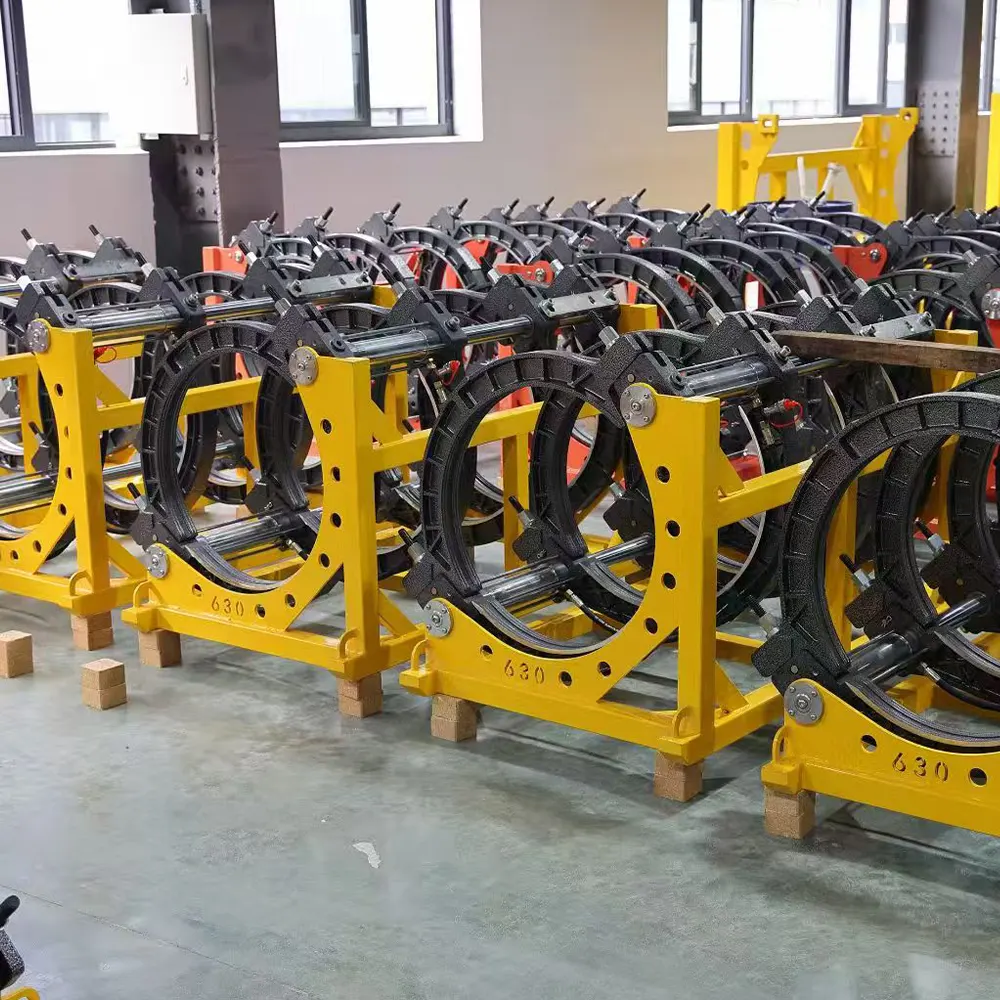
When a pipeline welding project depends on accuracy, speed, and long-term reliability, after-sales service becomes just as important as the equipment itself. A butt fusion machine is not only a capital purchase; it is a production tool that must keep performing under demanding site conditions, different pipe sizes, varying power environments, and tight project deadlines. That is why the best after-sales service for pipeline welding equipment is not a single promise, but a complete support system that helps users install, operate, maintain, troubleshoot, and optimize the machine throughout its service life.
For contractors, distributors, and engineering teams, the ideal after-sales service should reduce downtime, protect welding quality, and make every project easier to manage. In real pipeline work, even a small issue such as temperature drift, hydraulic instability, clamp misalignment, or a damaged heating plate can affect the final weld. A strong after-sales program turns these problems into manageable tasks instead of costly interruptions. This is especially important for HDPE pipeline installation in water supply systems, gas distribution networks, mining operations, and industrial pipelines, where weld reliability directly affects safety and project acceptance.
JQ-Fusion, as a professional manufacturer of butt fusion welding machines, understands that delivering equipment is only the beginning of the customer relationship. With more than 20 years of industry experience, the company supports manual, hydraulic, and CNC automatic welding machines through a service structure designed to help customers achieve stable performance in global projects. The best service model combines technical guidance, spare parts supply, training, quality assurance, and fast response, creating a dependable foundation for long-term use.
What Makes After-Sales Service Truly Valuable?
The most valuable after-sales service is not the one that sounds impressive in a brochure; it is the one that solves problems quickly and prevents them from returning. For pipeline welding equipment, customers need support that is practical, responsive, and technically accurate. A machine may look simple on the surface, but it includes heating control, hydraulic pressure systems, electric components, and alignment structures that must work together perfectly. When one part fails or becomes inconsistent, the entire welding process can be affected.
Key point: the best after-sales service should minimize downtime, protect weld quality, and help users keep production on schedule.
That means a manufacturer should not only provide replacement parts, but also clear operating instructions, troubleshooting support, maintenance suggestions, and technical training. Customers benefit most when service is proactive instead of reactive. For example, if a supplier can help a client confirm voltage compatibility before shipping, explain temperature calibration before first use, and provide quick remote support when a fault appears, the customer gains confidence and the project runs more smoothly.
Core Elements of the Best After-Sales Service
1. Fast Technical Response
Pipeline projects often operate under strict deadlines, so speed matters. A reliable after-sales team should respond quickly to questions about machine operation, parameter settings, fault diagnosis, and part replacement. Delays can lead to stalled installation work and added labor costs. The best support teams provide clear answers, practical instructions, and simple next steps rather than vague explanations.
For international customers, communication speed is especially important because time zones and language differences can slow problem solving. Manufacturers with global support capability can reduce these barriers through email, phone, video guidance, and structured technical documents. This is one reason buyers value companies with strong global service experience and export-ready support systems.
2. Installation and Commissioning Guidance
Many issues can be avoided if the machine is installed and commissioned correctly from the beginning. The best after-sales service includes guidance on setup, electrical connection, hydraulic system checks, clamp positioning, and test runs before full production use. Even experienced operators benefit from manufacturer support during the first stage because each project can involve different pipe diameters, working environments, and site rules.
Useful advice: commissioning support helps ensure the first weld is already close to ideal, which saves time and improves confidence for the whole crew.
3. Training for Operators and Maintenance Teams
A high-quality machine still depends on the skill of the operator. The best service includes training that helps users understand welding procedures, machine controls, temperature management, pressure settings, and routine maintenance tasks. This is particularly important for contractors working with multiple crews, because standardized training helps reduce errors and improves weld consistency across the job site.
Training should also cover daily inspection habits, cleaning procedures, and safety practices. When users know how to identify abnormal noise, unstable pressure, or wear on consumable parts, they can take action before a small issue becomes a serious failure. Good training also extends machine life and helps preserve the manufacturer’s reputation in the market.
4. Spare Parts Availability
One of the strongest signs of a serious after-sales system is the availability of spare parts. Heating plates, electrical components, seals, sensors, hydraulic elements, and control parts should be easy to source when needed. If replacement parts take too long to arrive, the entire project may suffer. That is why inventory planning is a major part of service quality.
Manufacturers with stable inventory and fast shipping can help customers reduce downtime and keep equipment in operation. For distributors, this also improves market trust because they can reassure end users that service support is available after purchase. In many projects, spare part readiness is just as important as the machine’s initial price.
Why Quality Control Is Part of After-Sales Service
Strong after-sales service starts before delivery. A machine that is carefully tested in the factory is less likely to create problems on site. JQ-Fusion emphasizes comprehensive testing for temperature accuracy, hydraulic pressure stability, and clamp alignment inspection. These checks help ensure that each unit delivers stable performance in real applications.
From the customer’s point of view, this matters because after-sales service is not only about fixing failures. It also includes preventing failures through design control, assembly accuracy, and shipment preparation. If a supplier consistently delivers equipment that has already passed strict testing, the customer spends less time seeking support and more time completing pipeline work.
Important: a well-tested machine lowers service burden and improves overall project reliability.
OEM and ODM Support Improves Long-Term Service
For many distributors and project companies, customization is part of after-sales value. Flexible OEM and ODM support allows the supplier to adjust machine size, voltage, color, branding, design, and project-specific configuration. This creates better compatibility with local market needs and makes future servicing more efficient because the supplier already understands the machine’s structure and purpose.
Custom solutions are especially useful in markets where voltage standards vary or where special work environments require unique design features. When the manufacturer provides technical customization and continues to support that configuration after delivery, customers receive a more complete service experience. That is one reason strong OEM and ODM ability is often associated with better long-term cooperation.
How Global Support Changes the Customer Experience
Pipeline welding equipment is used worldwide, so after-sales support must work across borders. The best service model includes fast logistics, clear documentation, export experience, and responsive technical communication. International users often need support in different time zones, and a dependable supplier makes that easier through organized service channels and project-based assistance.
JQ-Fusion supports customers in global pipeline projects with professional technical guidance and efficient logistics support. This kind of structure is especially important for urgent orders, replacement requests, and project launches that cannot afford delays. A supplier that can quickly identify a problem, provide solutions remotely, and ship the right part or accessory on time gives customers a clear operational advantage.
For many buyers, this is the real meaning of the best after-sales service: not just answering questions, but helping the customer keep the project moving without unnecessary interruption.
Practical benefit: strong global support helps contractors reduce project risk and distributors build stronger customer loyalty.
The Role of Documentation and Digital Support
Modern after-sales service should also include easy-to-understand manuals, operation videos, maintenance checklists, and remote troubleshooting resources. When customers can quickly access the right information, they are more likely to solve minor issues themselves and avoid long delays. Digital support also makes service more consistent because every user receives the same technical standards and instructions.
For equipment like butt fusion machine systems, clear documentation can explain joint preparation, heating time, cooling time, pressure adjustment, and daily inspection routines. These details matter because even a strong machine can produce poor results if the process is misunderstood. A supplier that invests in documentation shows that it cares about the customer’s final output, not only the sale.
What Buyers Should Look for Before Purchasing
Before choosing pipeline welding equipment, buyers should evaluate the supplier’s after-sales structure with the same attention they give to machine specifications. Important questions include: How fast is the response time? Are spare parts available? Is technical training included? Can the supplier support OEM or ODM customization? Do they test machines before delivery? Do they have export experience and global shipping capability?
These questions reveal whether a supplier is prepared for real-world use. A low-cost machine with poor service may become expensive if it causes frequent interruptions. In contrast, a reliable supplier with complete support can reduce lifecycle costs, improve productivity, and give the customer peace of mind. This is why experienced buyers often prefer manufacturers with proven performance, strict quality assurance, and full technical support.
Why JQ-Fusion Is a Strong Example of Good After-Sales Service
JQ-Fusion combines manufacturing capability with service commitment. Its product range includes hydraulic butt fusion welding machines, automatic butt fusion welding machines, electrofusion welding machines, and multi-angle pipe fitting welding machines. The company’s experience in global markets, combined with stable stock supply and fast shipping, helps customers receive support that is both technical and practical.
The manufacturer’s commitment to stable welding performance, customized solutions, strict quality assurance, fast delivery, and professional technical support creates a service model that fits real project demands. For contractors and distributors, this means they can rely on one partner from product selection to installation and after-sales assistance. That consistency is often the difference between a supplier relationship and a true long-term cooperation.
When a customer buys from a supplier with strong factory capability, tested products, and responsive service, they are not only purchasing equipment. They are buying confidence, continuity, and lower project risk.
Conclusion
The best after-sales service for pipeline welding equipment is comprehensive, fast, and technically reliable. It should include installation guidance, operator training, spare parts support, remote troubleshooting, quality testing, and flexible customization. More importantly, it should help customers reduce downtime, protect weld quality, and complete projects efficiently. In pipeline construction, service quality often determines whether equipment becomes a valuable asset or a recurring problem.
For buyers seeking a dependable partner, the right supplier is one that supports the machine throughout its entire life cycle. With experienced manufacturing, strict inspection, global support, and practical technical service, JQ-Fusion demonstrates how after-sales service can add real value to every welding project.
Frequently Asked Questions
Q1: What is the most important part of after-sales service for pipeline welding equipment?
Fast technical response and practical troubleshooting support are usually the most important because they reduce downtime and keep the project moving.
Q2: Why is training included in after-sales service?
Training helps operators use the machine correctly, avoid mistakes, improve weld quality, and extend the equipment’s service life.
Q3: How do spare parts affect after-sales service quality?
Readily available spare parts help customers repair equipment quickly and avoid long project delays caused by waiting for replacements.
Q4: Why should buyers care about factory testing before delivery?
Factory testing reduces the chance of early failure, improves reliability, and makes on-site support easier because the machine has already passed key performance checks.
Q5: Is OEM or ODM support part of after-sales service?
Yes. Customization support can improve compatibility with local markets and make future maintenance and technical support more effective.



