
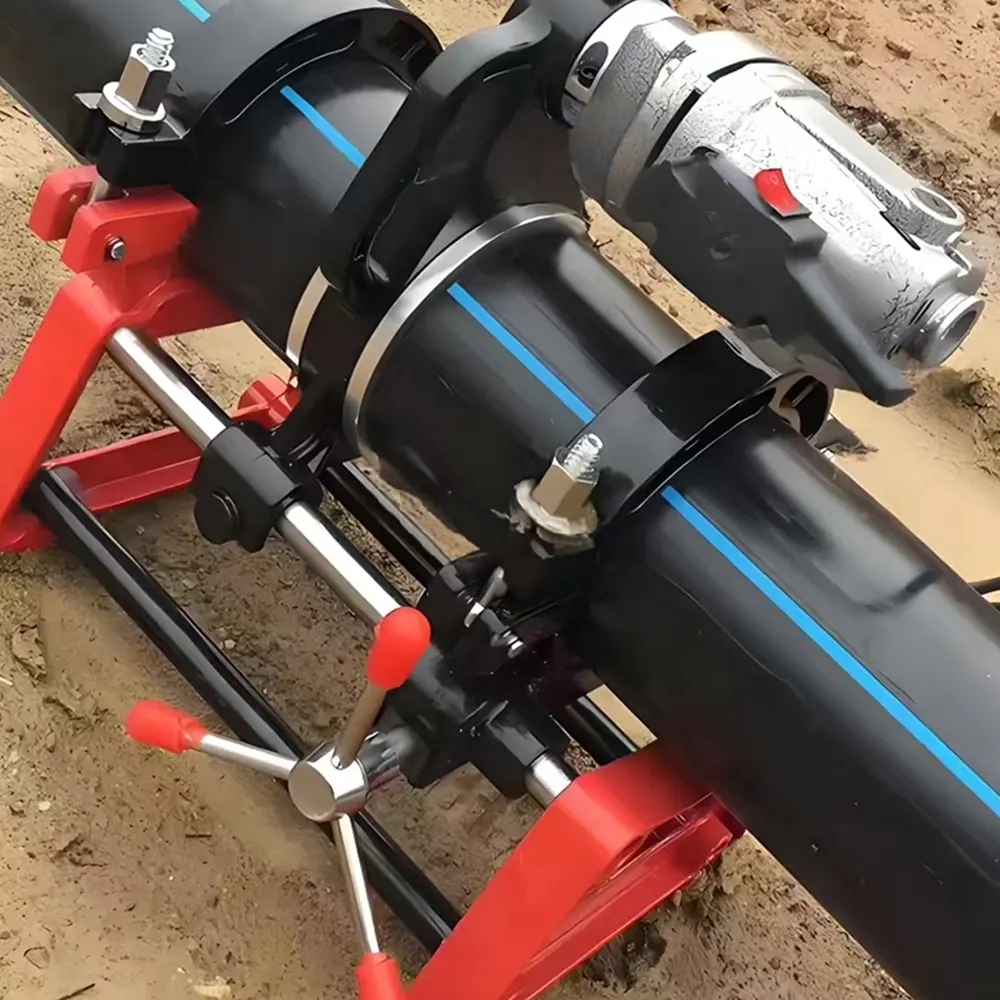
International shipping cost for welding machines is never a single fixed number. It depends on machine size, weight, destination, shipping method, packaging, customs requirements, and whether the shipment is going by sea, air, or express courier. For buyers planning to import industrial equipment, understanding these variables can help avoid unexpected expenses and delays. If you are sourcing from a professional manufacturer like butt fusion machine supplier JQ-Fusion, it is especially important to calculate total landed cost before placing an order.
Welding machines for pipeline projects are often bulky, heavy, and sensitive to handling. A hydraulic or CNC automatic butt fusion machine may require wooden crates, reinforced pallets, anti-rust protection, and careful loading. These protective measures add to the overall freight bill, but they also reduce the risk of damage during transit. In many cases, the shipping cost is not just a transportation charge; it is part of the machine’s overall import cost structure.
What Factors Influence International Shipping Cost?
Several factors determine how much you will pay to ship welding machines internationally. The first factor is gross weight. Heavy industrial welding equipment typically costs more to ship because carriers charge based on actual weight or volumetric weight, whichever is higher. The second factor is shipment dimensions. A machine with a large frame, clamp assembly, or accessories may occupy substantial container space even if the weight is manageable.
Key point: For welding machines, packaging size can be just as important as weight. A machine that looks affordable to ship by tonnage may become expensive if it needs oversized crating or special container loading.
Destination also matters. Shipping to major ports with frequent trade routes is usually cheaper than shipping to remote inland cities. In addition, customs clearance procedures, import duties, port handling fees, and local delivery charges can raise the final cost. Buyers should always ask for a detailed quote that separates freight, insurance, customs, and last-mile delivery.
Sea Freight vs. Air Freight
For industrial welding machines, sea freight is usually the most economical option. Full container load shipping is preferred for larger machines, especially when a contractor orders multiple units or one machine with several accessories. Sea freight can take longer, but it is generally the best balance between cost and safety for heavy equipment.
Air freight is much faster, but it is usually reserved for urgent spare parts, small machines, or high-value components. Because air shipping is priced by chargeable weight, the cost may be several times higher than sea freight. If the project timeline is strict, air cargo may still be worthwhile, but most buyers choose sea transportation for complete welding machines.
Practical advice: Ask the supplier whether the machine can be packed in a way that reduces container space. Better packaging planning can lower freight cost without affecting product safety.
How Product Type Affects Shipping Cost
Not all welding machines ship at the same cost. Manual butt fusion machines are usually lighter and easier to handle, so they tend to have lower logistics expenses. Hydraulic butt fusion machines require more packaging care because they include hydraulic stations, clamp systems, and operating components. Automatic CNC machines may be more expensive to transport due to larger dimensions, electronic control systems, and extra protection requirements.
Electrofusion welding machines and multi-angle pipe fitting welding machines can vary widely in size. Smaller units may be shipped in consolidated cartons, while larger professional systems may need dedicated pallets or crates. In general, the more complex the machine, the more expensive the export packing and shipping process becomes.
Typical Cost Drivers by Machine Category
Manual machines: lower weight, easier loading, lower freight cost.
Hydraulic machines: moderate to high cost because of heavier components and protective packaging.
Automatic machines: often higher shipping cost due to size, precision parts, and stronger packing.
Accessories and spare parts: may ship separately to reduce bulk and improve flexibility.
Packaging and Export Preparation
Export packaging plays a major role in shipping cost. A welding machine usually needs moisture protection, anti-collision materials, and a sturdy wooden crate or pallet. If the equipment contains hydraulic oil or electrical parts, special precautions may be necessary. These details increase handling cost, but they also protect the machine during long-distance transport.
In many international shipments, poor packaging creates hidden expenses such as repair, inspection, delay, or claims processing. A well-packed machine often saves more money than the extra cost of proper crating.
JQ-Fusion focuses on stable delivery and professional packing because pipeline contractors need equipment that arrives ready for installation. With over 20 years of manufacturing experience, the company understands how to prepare machines for global transport, whether the destination is a water supply project, gas distribution network, or mining installation.
Customs, Taxes, and Hidden Charges
One of the most common mistakes buyers make is focusing only on ocean freight or air freight while ignoring import costs. Customs duties, VAT or GST, broker fees, destination port charges, and inland trucking can all affect the final amount. Depending on the country, these fees may equal a significant portion of the transportation expense.
To reduce surprises, ask the supplier for shipping terms such as EXW, FOB, CFR, or CIF. Each term changes who is responsible for transport and where the risk transfers. If you need full control over logistics, you may prefer a quote that includes insurance and destination handling. If you have your own freight agent, you may choose to manage shipping independently.
Important: Always confirm whether the quotation includes export documents, fumigation for wooden packing, and local port fees. These “small” items can become expensive if they are not clarified in advance.
How to Reduce International Shipping Costs
There are several practical ways to lower international shipping costs for welding machines. First, choose the shipping mode carefully. If the project schedule allows, sea freight is usually the most efficient option. Second, consolidate orders when possible. Shipping one complete machine plus accessories together is often cheaper than sending separate parcels later.
Third, work with a supplier that has strong export experience. Experienced manufacturers know how to minimize package volume, prepare correct documents, and communicate clearly with freight forwarders. Fourth, select a product configuration that fits the project. If a smaller machine meets your operational needs, do not pay extra to ship a larger model than necessary.
You can also reduce costs by planning shipping around production schedules and vessel availability. Rush shipments are usually more expensive. When ordering from a company with stable stock supply and fast shipping, such as JQ-Fusion, buyers may benefit from shorter lead times and better logistics coordination.
Useful Cost-Saving Tips
Use standardized packing sizes whenever possible.
Combine machine orders with spare parts in one shipment.
Confirm container loading efficiency before dispatch.
Request a full landed-cost estimate before payment.
Compare freight quotes from multiple forwarders, not only one source.
Why Supplier Support Matters
A reliable supplier does more than manufacture equipment. It should help with export documentation, packaging planning, logistics communication, and after-sales support. JQ-Fusion provides professional guidance for global buyers, from product selection to technical support, making the purchasing process smoother and reducing shipping-related uncertainty.
The company’s factory capability, strict quality control, and OEM/ODM flexibility also help international clients receive machines that are ready for global distribution. With certified products and experience in global pipeline projects, JQ-Fusion supports buyers who need dependable equipment and predictable shipment planning.
When a supplier understands both manufacturing and shipping, the buyer benefits from fewer delays, fewer document errors, and lower risk of unexpected logistics costs.
How Much Should You Budget?
For small welding machines, international shipping may be relatively affordable, especially if shipped by consolidated sea freight. For large hydraulic or automatic systems, the budget should be much higher because of packaging, container usage, and destination handling. A realistic budget should include the shipping quote, insurance, customs clearance, import taxes, unloading charges, and inland transport.
The best approach is to ask for a complete quotation based on your target country and delivery address. This allows you to compare offers fairly and avoid hidden charges. If you are buying for a project with tight deadlines, the cheapest freight option may not always be the best value. Reliability, document accuracy, and delivery timing are equally important.
Conclusion
International shipping cost for welding machines depends on a combination of product size, weight, packaging, transport mode, destination, and customs requirements. By understanding these variables, buyers can make smarter purchasing decisions and avoid unnecessary expenses. Choosing a manufacturer with experience in global logistics, strong packing standards, and responsive support can make a major difference in both cost and delivery reliability.
For contractors, distributors, and project managers, the goal is not simply to find the lowest freight rate, but to secure safe, timely, and predictable delivery. That is why working with an experienced partner matters when sourcing industrial welding equipment for international projects.
Frequently Asked Questions
1. Is sea freight always cheaper than air freight for welding machines?
In most cases, yes. Sea freight is usually much cheaper for heavy industrial machines, while air freight is mainly used for urgent or smaller shipments.
2. What is the biggest hidden cost in international shipping?
Customs duties, local port handling, and inland delivery charges are often the most overlooked costs. Packaging and documentation can also add unexpected expenses.
3. Can I reduce shipping cost by changing the machine packaging?
Yes. Efficient crating and better load planning can reduce volumetric weight and container space usage, which may lower the freight charge.
4. Do welding machines need special export packaging?
Usually yes. Most machines need wooden crates, moisture protection, and secure fixing to prevent damage during long-distance transport.
5. How can I get a more accurate shipping quote?
Provide the supplier with the machine model, quantity, destination port or address, and required shipping terms. The more specific the information, the more accurate the quote will be.



