
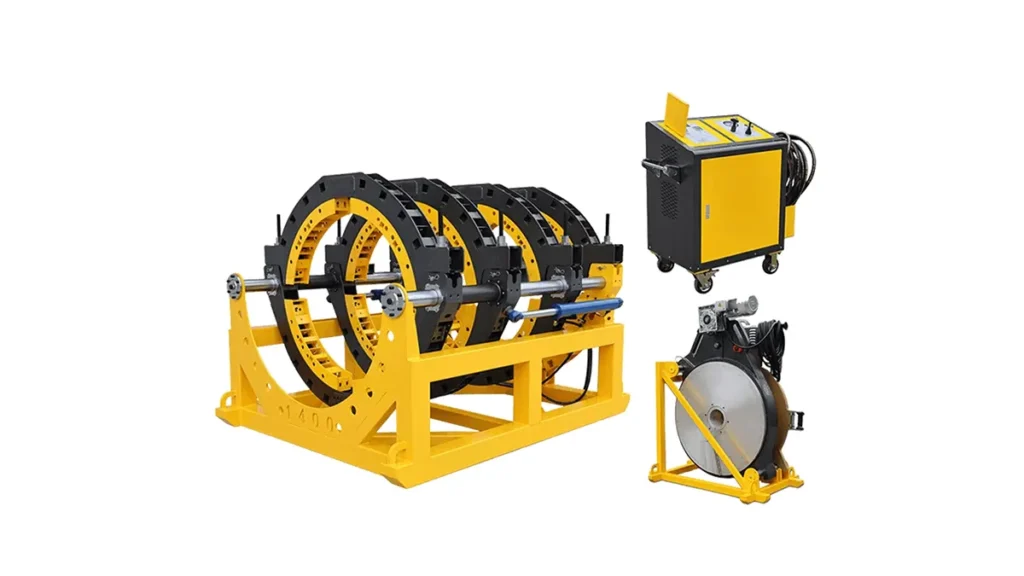
Keeping a butt fusion machine in excellent working condition is not only a matter of equipment care; it is a direct factor in weld quality, jobsite safety, and project efficiency. In pipe welding operations, even a small issue such as a misaligned clamp, unstable hydraulic pressure, or inaccurate heating plate temperature can affect the final fusion joint. That is why a practical maintenance checklist is essential for contractors, operators, distributors, and field technicians who rely on consistent performance every day.
For teams working on water supply systems, gas distribution networks, mining sites, and industrial pipeline installations, maintenance is more than routine cleaning. It is a structured process that helps extend machine life, reduce downtime, and protect the quality of every weld. A well-designed checklist also makes it easier to train new operators, standardize inspections, and prevent expensive repair delays caused by overlooked wear and tear.
In this guide, we will explain how to create a maintenance checklist that matches real-world operating conditions. Whether you use manual, hydraulic, or CNC automatic equipment, the same basic principles apply: inspect, clean, test, record, and replace when needed. A smart checklist should be simple enough to follow in the field, but detailed enough to catch problems before they become failures.
Key idea: A butt fusion machine maintenance checklist should be built around the actual work cycle of the machine, not just a generic service calendar. The best checklists combine daily visual checks, weekly functional tests, and periodic deep maintenance to ensure stable welding performance.
Why a Maintenance Checklist Matters
Butt fusion welding depends on precision. The heating plate must reach the correct temperature, the pipe ends must be aligned correctly, and the pressure must remain stable throughout the fusion cycle. If any part of the machine becomes unreliable, the weld bead may be weak, uneven, or incomplete. A maintenance checklist helps operators catch these risks early and keeps the equipment ready for demanding project schedules.
Another important benefit is consistency. On large jobs, different shifts may use the same machine. Without a checklist, one operator may clean and inspect the machine thoroughly while another may skip critical steps. A checklist creates a standard process that every user can follow. This improves accountability and helps supervisors verify that maintenance was completed properly.
For companies that work with multiple models or supply machines to different markets, checklists also make training easier. Instead of relying on memory, technicians can follow a clear sequence. This is especially useful in busy project environments where quick turnaround and accurate welding are both required.
What a Good Checklist Should Include
A practical checklist should cover the machine’s main systems, accessories, and consumable parts. It should also define when each task is done, who is responsible, and what signs indicate a problem. The checklist must be easy to use in real working conditions, including outdoor sites, workshop environments, and remote construction areas.
Checklist essentials: cleaning steps, safety inspection, heating plate condition, hydraulic system checks, clamp alignment, electrical connections, cutting tool condition, lubrication, calibration records, and replacement notes.
The best format is usually a combination of tick boxes and short observation fields. This allows the operator to quickly mark items as pass or fail and record anything unusual. If you use digital recordkeeping, the same structure can be adapted into a mobile form or maintenance app.
Daily Inspection Checklist
Daily checks are the foundation of any maintenance program. These inspections should be completed before the machine is used and again after the job is finished if the environment is dusty, wet, or heavily used. Daily maintenance does not take much time, but it can prevent major problems.
1. Clean the machine surface. Remove dust, plastic residue, oil, mud, and debris from the frame, clamps, heater, and cutting area. A clean machine is easier to inspect and safer to operate.
2. Check visible damage. Look for cracked parts, bent components, loose bolts, worn cables, or hydraulic leaks. Small signs of damage often appear before serious failure.
3. Verify clamp movement. Open and close the clamps to ensure smooth operation. Uneven movement may indicate contamination, insufficient lubrication, or mechanical wear.
4. Inspect the heating plate. Confirm that the surface is clean, undamaged, and properly heated. Scratches, burnt material, or temperature inconsistency should be addressed immediately.
5. Review electrical safety. Check power cables, plugs, connectors, and control panels for looseness or wear. Electrical issues should never be ignored because they can affect both safety and performance.
✔ Daily rule: if any component looks unsafe or performs abnormally, stop the machine and resolve the issue before fusion work begins.
Weekly Maintenance Checklist
Weekly maintenance goes a little deeper than daily inspection. It focuses on parts that wear gradually or need more careful observation. In many projects, a weekly routine is enough to keep the machine stable between heavy service intervals.
Lubrication: Apply the correct lubricant to moving parts such as slide rails, bearings, and clamp mechanisms. Use only the recommended type, because excessive or incorrect lubrication can attract dirt.
Hydraulic system check: Inspect hoses, fittings, seals, and oil levels. The hydraulic system must maintain steady pressure to support proper fusion alignment and pressure control.
Temperature verification: Compare the heating plate reading with the actual target temperature using an approved measuring method. Accurate temperature control is critical for stable fusion quality.
Alignment check: Confirm that the clamping system keeps pipe ends centered and level. Poor alignment can lead to weak joints and rework.
Tool inspection: Examine trimming tools, face cutters, and other accessories for dullness or damage. Cutting tools that are worn can reduce preparation quality and increase operator effort.
For companies that use machines in challenging conditions, weekly maintenance may also include checking dust filters, cooling fans, or protective covers. These small tasks help keep the machine stable in hot, cold, or high-traffic work zones.
Monthly and Periodic Service Tasks
Monthly or periodic maintenance is the stage where many hidden issues are discovered. This is the right time to review performance history, test accuracy, and inspect areas that are not checked every day. A more detailed schedule is especially useful for machines that support large pipe sizes or continuous production.
Periodic service should include: calibration checks, tightening of all fasteners, inspection of internal wear points, replacement of damaged seals, verification of pressure stability, and review of electrical control functions.
At this stage, it is helpful to compare current performance with previous maintenance records. If the machine requires more frequent adjustments than before, that may indicate a developing issue. Trend tracking is often more valuable than a single inspection because it helps identify patterns.
It is also wise to review whether the machine still suits the project demands. For example, if your work has shifted toward larger diameter pipes, more frequent usage, or stricter jobsite requirements, your maintenance intervals may need to be shortened.
How to Structure the Checklist for Easy Use
A checklist should be practical, not complicated. Use a layout that is easy to read on paper or on a mobile screen. Group tasks into sections such as safety, cleaning, hydraulics, heating, alignment, and records. This reduces confusion and helps technicians complete checks in the correct order.
Try to assign a clear status for each item. For example: Pass, Needs Attention, or Replace. This makes the list more actionable than simple yes/no questions. If an item fails inspection, add a short note explaining the issue and the corrective action taken.
It is also helpful to separate tasks by frequency. A color-coded or section-based format can make the checklist easier to scan quickly. For example, daily tasks can be listed at the top, weekly items in the middle, and monthly tasks at the bottom. This structure is especially effective for teams with multiple operators and supervisors.
Common Problems Your Checklist Can Prevent
A well-maintained machine can prevent many of the most common welding issues. One of the biggest is temperature inconsistency. If the heating plate does not reach the correct level, the fusion joint may not bond properly. Another common issue is clamp misalignment, which causes pipe ends to join unevenly.
Hydraulic instability is another serious concern. If pressure changes during the fusion cycle, the weld may be incomplete or distorted. Mechanical wear can also create problems over time, especially in machines used on rough terrain or in high-volume production.
By recording inspection results consistently, technicians can catch these issues early. Preventive maintenance always costs less than emergency repair, especially when a jobsite deadline is involved.
JQ-Fusion offers butt fusion solutions designed for durable field performance, and maintenance planning is one of the most effective ways to protect that performance over time.
Best Practices for Operators and Managers
Operators should be trained not only to use the machine, but also to recognize early warning signs. Strange noises, slower movement, temperature drift, leaks, or unusual resistance during clamp operation all deserve attention. A good checklist becomes much more effective when operators understand what each item means.
Managers should keep maintenance records organized and review them regularly. If the same issue appears several times, it may be caused by a usage habit, an environmental factor, or a part that needs replacement. Accurate records can improve purchasing decisions and reduce unexpected downtime.
For project-based companies, it is also useful to tie maintenance to the schedule. For example, a machine that runs continuously on a pipeline project may need a different checklist frequency than a machine used occasionally in a workshop. Matching maintenance to workload is a smart way to improve reliability without wasting time.
✨ Smart maintenance habit: treat the checklist as a living document. Update it when you discover a recurring issue, introduce a new model, or change the operating environment.
Sample Maintenance Checklist Outline
Daily: clean machine, inspect cables, check clamps, verify heating plate surface, confirm safe operation.
Weekly: lubricate moving parts, check hydraulic oil, inspect hoses, verify temperature accuracy, test alignment.
Monthly: tighten hardware, inspect wear parts, review calibration, test control system, replace damaged components.
After heavy use: perform full inspection, record any performance changes, and schedule corrective service if needed.
This outline can be adapted for manual, hydraulic, or CNC automatic machines. The exact tasks may vary, but the structure remains the same: inspect, clean, confirm, and document.
How Manufacturers Support Better Maintenance
Reliable manufacturers help users maintain equipment by providing stable machine design, clear operating guidance, and technical support. When a machine is built with durable components and precise assembly, the maintenance burden is naturally reduced. That is one reason many contractors prefer suppliers that offer not only machines, but also training and after-sales support.
JQ-Fusion focuses on professional butt fusion equipment for global pipeline projects, including manual, hydraulic, and CNC automatic models. With strong quality control, customization options, and international support, the company helps customers maintain dependable welding operations across different working environments.
When choosing equipment, it is wise to consider serviceability as well as performance. Easy access to parts, clear controls, and consistent component quality all make future maintenance simpler and more effective.
Conclusion
A butt fusion machine maintenance checklist is one of the simplest and most effective tools for protecting welding quality. It turns maintenance from an occasional reaction into a repeatable process. By dividing tasks into daily, weekly, and periodic steps, teams can improve safety, extend service life, and reduce the chance of unexpected breakdowns.
For every jobsite, the goal is the same: stable equipment, precise fusion, and reliable results. A checklist supports that goal by making maintenance visible, measurable, and easier to manage. Whether you are operating a small workshop unit or a heavy-duty machine used in large infrastructure projects, the checklist should always reflect the real working conditions of the machine.
FAQ
Q1: How often should a butt fusion machine be inspected?
Daily visual checks are recommended before use, with weekly and monthly maintenance depending on workload and operating conditions.
Q2: What is the most important item on the checklist?
Temperature accuracy, clamp alignment, and hydraulic stability are among the most important items because they directly affect weld quality.
Q3: Can one checklist work for all butt fusion machine models?
A basic structure can be used across models, but the exact tasks should be adjusted based on machine type, size, and control system.
Q4: Why is recordkeeping important in machine maintenance?
Records help identify recurring problems, support troubleshooting, and show whether maintenance tasks were completed on time.
Q5: What should I do if a machine fails inspection?
Stop using the machine, mark the issue clearly, perform corrective action, and retest it before returning it to service.



