
Pipe welding is one of the most demanding tasks in pipeline construction, and the quality of every joint depends heavily on the tools used during the process. Whether the project involves water supply lines, gas distribution networks, mining pipelines, or industrial installations, the right equipment can improve alignment, heating accuracy, joint strength, and overall efficiency. A professional welding setup is not only about creating a strong bond; it is also about ensuring safety, consistency, and long-term performance in the field.
For contractors, fabricators, and pipeline teams, understanding the essential tools for pipe welding is the first step toward achieving reliable results. Different welding methods require different equipment, but the foundation remains similar: accurate measuring tools, cutting and beveling equipment, clamping systems, heating devices, alignment accessories, and inspection tools. In modern polyethylene pipeline projects, many professionals also rely on advanced machines such as a butt fusion machine to produce durable and repeatable welds with less manual error.
One of the most important tools in any pipe welding operation is the pipe cutter or pipe saw. Clean cuts are essential because uneven edges can create misalignment, reduce bonding quality, and weaken the finished joint. For plastic pipeline systems, a specialized cutter helps achieve a smooth, square end that is ready for preparation. For metal pipe welding, a high-quality saw or cutting machine ensures precision and reduces the need for rework. This is why cutting tools are considered the starting point of every successful weld.
Key point: A perfect weld begins before the arc, flame, or heating plate is activated. If the pipe end is cut poorly, even the most advanced welding equipment will struggle to deliver a reliable result.
Another essential tool is the pipe beveler or edge preparation device. In many welding applications, especially steel pipe welding, beveling increases the surface area available for fusion and improves penetration. Proper bevel angles help create a stronger connection while reducing internal stress. In HDPE pipe fusion work, the pipe end must also be cleaned and squared carefully before the heating process begins. Preparation tools may seem simple, but they play a major role in final weld quality.
Measuring and marking tools are equally important. A welding project requires exact dimensions, accurate center lines, and proper alignment marks. Tape measures, rulers, marking pens, alignment gauges, and angle tools allow welders to position pipes correctly before joining them. In large pipeline systems, even a small measurement error can lead to costly delays and material waste. Precision at this stage improves productivity and prevents structural issues later.
Clamping and alignment tools are another critical part of the pipe welding kit. Pipes must be held firmly in place during preparation, heating, and joining. Without stable clamps, the pipe ends can shift, creating gaps or uneven fusion surfaces. Pipe alignment tools ensure that both ends are centered and level, which is especially important when welding large-diameter pipelines. In butt fusion work, hydraulic clamps and machine frames are often used to maintain correct alignment throughout the cycle.
Important: Stable alignment directly affects the strength and appearance of the joint. Misalignment can cause weak spots, uneven bead formation, and long-term service problems.
Heating tools form the core of many pipe welding operations. Depending on the pipe material and welding method, this may include torches, heating plates, hot-air tools, or electrofusion units. For polyethylene pipelines, the heating plate is especially important because it brings the pipe ends to the correct fusion temperature before joining. A reliable temperature control system is necessary to avoid overheating or underheating, both of which can reduce joint integrity.
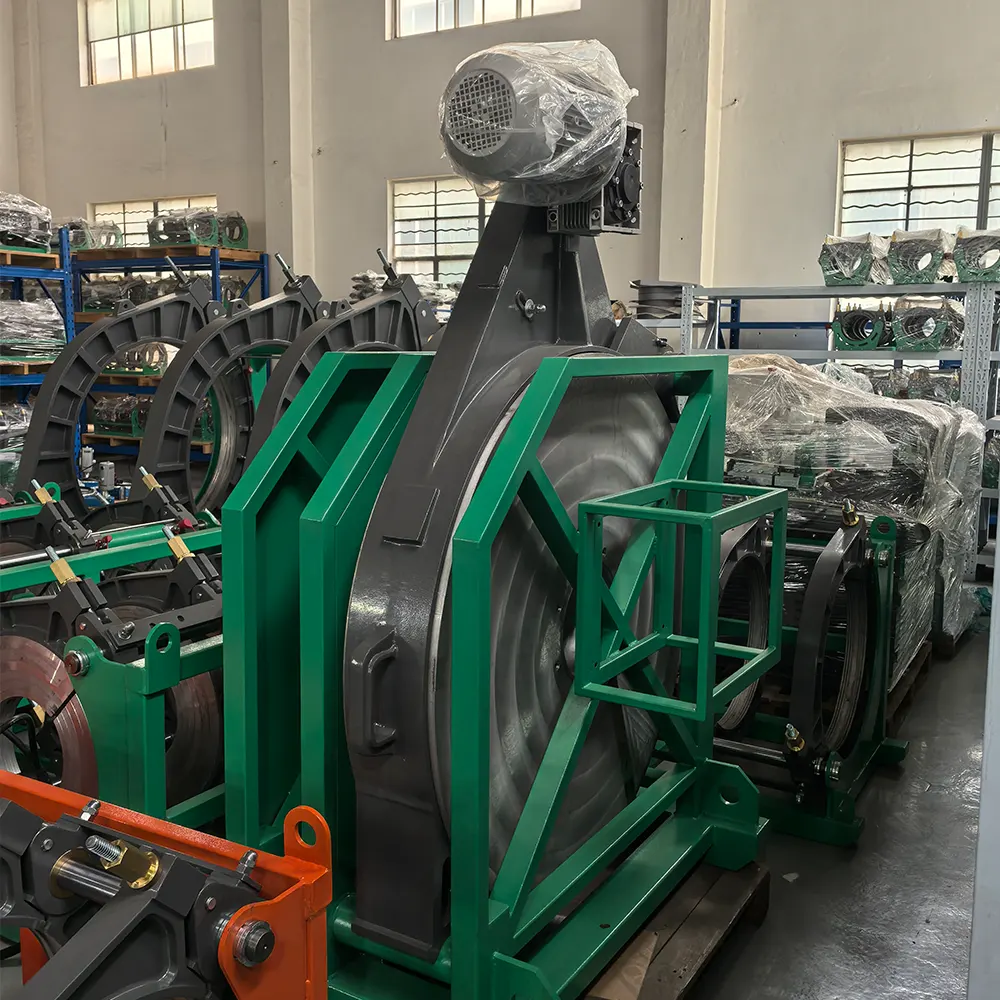
In industrial environments, advanced welding machines improve both consistency and speed. Hydraulic and CNC automatic systems can control pressure, temperature, and timing with high accuracy. These machines are widely used in large-scale water supply systems, gas pipeline projects, and municipal infrastructure. JQ-Fusion, for example, focuses on developing manual, hydraulic, and CNC automatic butt fusion solutions for a wide range of pipe diameters. This kind of equipment supports professional results across diverse project requirements.
Cleaning tools should never be overlooked. Before welding, the pipe surface must be clean, dry, and free from dust, oil, moisture, and oxidation. Common cleaning tools include lint-free cloths, scrapers, brushes, and approved cleaning agents. In fusion welding, surface contamination can lead to weak bonding or hidden defects. For this reason, many experienced welders treat cleaning as a non-negotiable step rather than a secondary task.
In pipe welding, safety tools are just as important as the welding devices themselves. Protective gloves, safety glasses, face shields, welding jackets, and heat-resistant footwear help protect workers from sparks, heat, sharp edges, and accidental contact with hot components. When working with large machines or in outdoor project environments, safety equipment becomes a key part of jobsite discipline. A professional welding team always prioritizes personal protection before production speed.
Inspection tools are essential for checking the quality of finished welds. Visual inspection is the first step, but more advanced projects may require measuring gauges, calipers, seam inspection tools, or testing equipment. For pipeline applications, weld quality is closely linked to long-term service safety. A small defect that goes unnoticed today can become a major failure later. This is why post-weld inspection is a standard practice in serious engineering projects.
Pro tip: The best welding results come from a complete workflow: measure carefully, cut cleanly, align precisely, heat consistently, and inspect thoroughly. Skipping any step reduces reliability.
For HDPE pipeline work, butt fusion equipment is one of the most valuable tools in the field. A butt fusion machine is designed to join thermoplastic pipes and fittings by heating the ends and pressing them together under controlled conditions. This method creates a strong, leak-resistant joint that is widely used in water, gas, and industrial systems. Compared with many manual joining methods, butt fusion provides better repeatability and stronger performance when operated correctly.
JQ-Fusion is a professional manufacturer specializing in HDPE pipe welding machines, with more than 20 years of industry experience. Their product range includes manual, hydraulic, and CNC automatic butt fusion welding machines, as well as electrofusion welding machines and multi-angle pipe fitting welding machines. These solutions are built to support real-world construction needs, from small-diameter installations to large pipeline projects. For contractors seeking reliable equipment, having the right machine can simplify operations and improve productivity.
When selecting tools for pipe welding, project scale should always be considered. Small maintenance jobs may only require basic measuring, cutting, and hand-held welding tools. Larger infrastructure projects, however, often demand high-capacity machines, stronger clamps, and more advanced control systems. Choosing the right setup saves time, reduces labor strain, and improves joint performance. A well-matched tool set also helps prevent overuse of equipment and lowers maintenance costs.
Environmental conditions also affect the tools needed for pipe welding. Outdoor projects may require wind protection, portable power solutions, and weather-resistant equipment. Underground or remote pipeline sites may need compact, transportable machines that can be moved easily between work areas. In harsh conditions, durable tools with stable performance become especially important. Reliable equipment gives welders confidence that their work will remain consistent despite site challenges.
Customization is another reason why many professionals prefer specialized manufacturers. JQ-Fusion offers OEM and ODM customization services, including machine size, voltage, color, design, branding, and project-specific configurations. This flexibility helps contractors and distributors build solutions that fit their market or engineering requirements. In practical terms, a customized welding setup can improve workflow and create a better user experience on site.
Quality control is also a major factor when evaluating pipe welding tools. Machines used in critical pipeline projects should undergo thorough testing before delivery. Temperature accuracy, hydraulic pressure stability, and clamp alignment all affect final weld quality. A manufacturer with strict quality assurance processes can reduce the risk of tool failure and improve confidence in field operations. In professional pipeline work, dependable tools are not a luxury; they are a requirement.
JQ-Fusion supports global contractors with fast response, technical guidance, and logistics assistance. Their equipment is used in water supply systems, gas distribution networks, mining projects, and industrial installations worldwide. They maintain a large inventory of key models to support urgent timelines and reduce project delays. This level of supply reliability matters when a project schedule depends on timely delivery and immediate deployment.
For businesses comparing welding suppliers, certifications and compliance are important indicators of product reliability. JQ-Fusion manufactures products in compliance with international standards and holds SGS certification, helping ensure safety, consistency, and performance in demanding pipeline applications. Certified equipment provides added confidence for contractors working in regulated environments or cross-border projects.
The best pipe welding tools combine precision, durability, safety, and ease of use. From cutting and beveling to heating, alignment, cleaning, and inspection, every tool has a direct influence on the final result. A strong welding system is not built from one machine alone; it is built from a complete and carefully selected toolkit that supports the full process from preparation to final testing.
As pipeline construction continues to expand globally, the need for reliable welding tools will only grow. Professionals who invest in the right equipment can improve productivity, reduce defects, and deliver stronger joints with greater confidence. Whether the job involves a small repair or a large infrastructure network, essential pipe welding tools remain the backbone of safe and efficient pipeline installation.
FAQ 1: What is the most important tool for pipe welding?
The most important tool depends on the welding method, but in most cases it is the machine or heating system that creates the joint. For HDPE pipelines, a butt fusion machine is often the core equipment.
FAQ 2: Why is pipe cleaning so important before welding?
Cleaning removes dust, oil, moisture, and oxidation that can weaken the bond. A clean surface helps ensure stronger fusion and fewer defects.
FAQ 3: Do all pipe welding jobs require the same tools?
No. The required tools vary depending on pipe material, diameter, project scale, and welding method. Small jobs may need only basic tools, while large pipeline projects often require advanced machines and alignment systems.
FAQ 4: How do I choose the right welding machine for a pipeline project?
You should consider pipe size, material, project environment, budget, and required automation level. Working with an experienced manufacturer can help you select the most suitable solution.
FAQ 5: Can advanced welding machines improve joint quality?
Yes. Advanced machines can improve control over temperature, pressure, and timing, which helps produce more consistent and reliable welds, especially in demanding pipeline applications.



