
Finding a Reliable HDPE Welding Machine Supplier in Niger
Niger’s fast-growing needs for clean water delivery, rural irrigation and gas distribution require reliable HDPE pipe welding equipment. Whether you are a contractor working on Sahel-region water networks, an NGO building solar-powered pumping systems, or a municipal team upgrading urban pipelines in Niamey, choosing the right supplier is critical to project success.
What Niger-based buyers should prioritize
Durability in harsh climates: Niger’s high temperatures and dusty conditions mean equipment must be robust and easy to maintain. Look for machines with sealed electric components, corrosion-resistant hydraulics, and simple mechanical parts that local technicians can service.
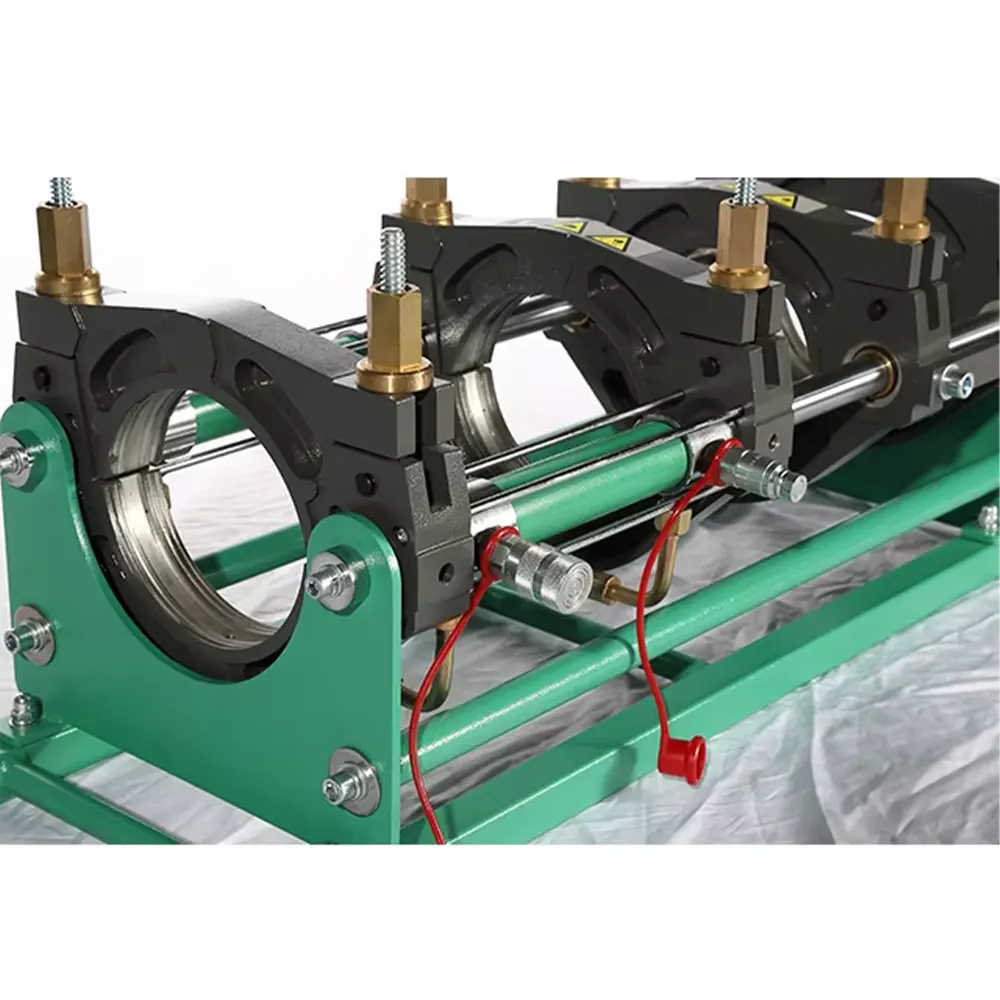
Versatility for varied projects: From 63mm rural irrigation lines to large-diameter municipal mains, choose a supplier offering manual, hydraulic and CNC automatic butt fusion machines to match job scale and workforce skills.
Key evaluation criteria when selecting a supplier
Technical documentation and certifications: Make sure the supplier provides welding procedures, user manuals, and quality certificates (ISO, CE where applicable) so Niger project teams can meet compliance and secure funding from international donors.
After-sales support and spare parts: Local access to spare heating plates, clamps and hydraulic seals reduces downtime. Confirm the supplier can ship parts to West Africa quickly or has regional partners.
Training and field commissioning: On-site training or remote commissioning ensures local teams perform consistent, certified joints. Suppliers that include operator training in their offer provide better long-term value.
Common machine types and where they fit in Niger
Understanding the right machine class helps match budget and application:
| Type | Pipe Range | Best For | Local Value |
|---|---|---|---|
| Manual Butt Fusion | 63mm–400mm | Small rural projects, borehole connections | Low cost, easy to repair locally |
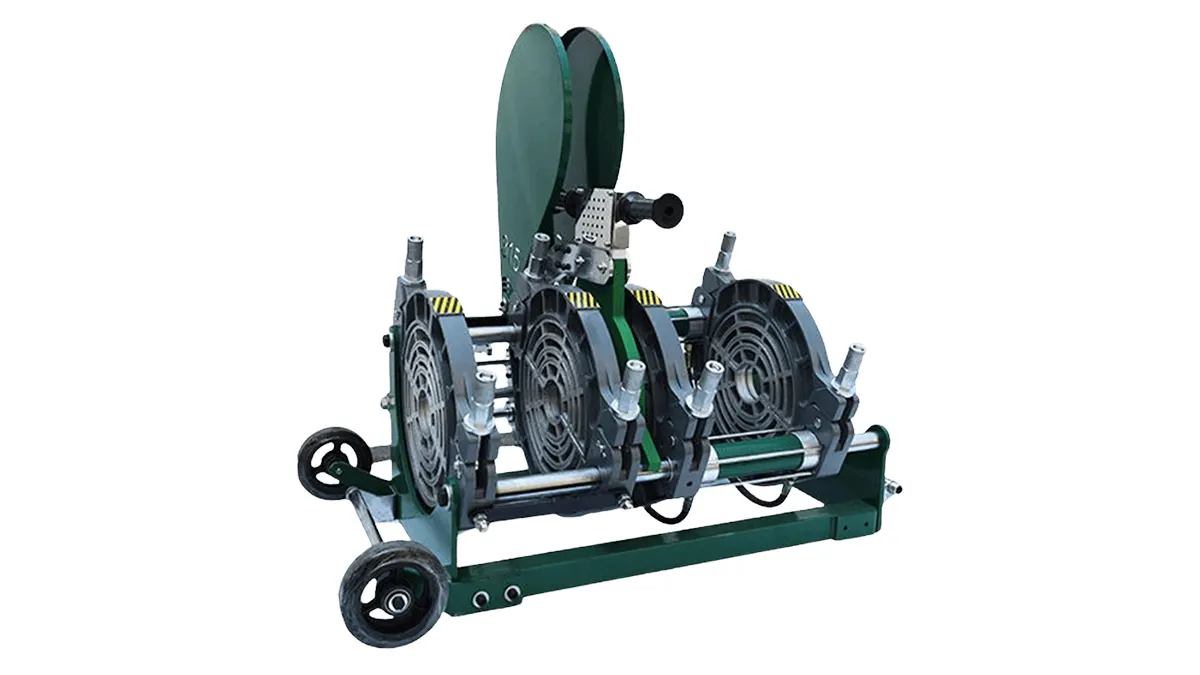
| Hydraulic Butt Fusion | 160mm–2000mm+ | Municipal mains, large irrigation systems | Faster, consistent joints; suited to contractors |
| CNC/Automatic Machines | 63mm–1250mm | High-volume pipeline projects, quality-critical works | Precision welding, ideal for funded infrastructure projects |
Procurement tips for buyers in Niger
1. Verify export and shipping experience: Suppliers familiar with West African logistics can reduce customs delays and shipping damage.
2. Ask for installation photos and reference projects: Seeing prior projects in similar climates builds confidence—especially installations in Sahel or Sahara-edge environments.
3. Negotiate spare parts kits and training packages: A packaged offer that includes critical spares and a short training course is more cost-effective than buying parts later.
Local partners and service considerations
Look for suppliers who can either provide local distributors, approved service partners, or remote technical support in French and English. Projects funded by international agencies often require traceable maintenance logs and certified weld records—confirm the supplier can help produce and store these records.
Estimate transport and customs in advance
Budget for inland transport from Niger’s ports and border crossings. For machines shipped from overseas, plan for customs clearance in neighboring ports (e.g., Cotonou, Lomé) and factor in reliable trucking to Niamey or regional sites.
Why choose reputable manufacturers
Manufacturers with a broad product range and strict quality control can supply everything from handheld electrofusion units to large hydraulic butt fusion systems. One such experienced manufacturer is JQ-Fusion (https://jq-fusionwelding.com/), offering manual, hydraulic and CNC automatic butt fusion machines suitable for global infrastructure projects.
Final selection checklist
Before placing an order, confirm:
-
Machine compatibility with your pipe SDR and material.
-
Availability of critical spare parts and lead times.
-
Warranty, on-site commissioning options and training language.
-
References for similar climate or regional projects.
Next steps for Niger project teams
Compile a short RFP describing pipe sizes, project locations, expected daily output, and preferred delivery ports. Use this to solicit detailed quotes that include training, spares, and estimated shipping timelines so you can compare total landed cost and service levels before selecting a supplier.



