
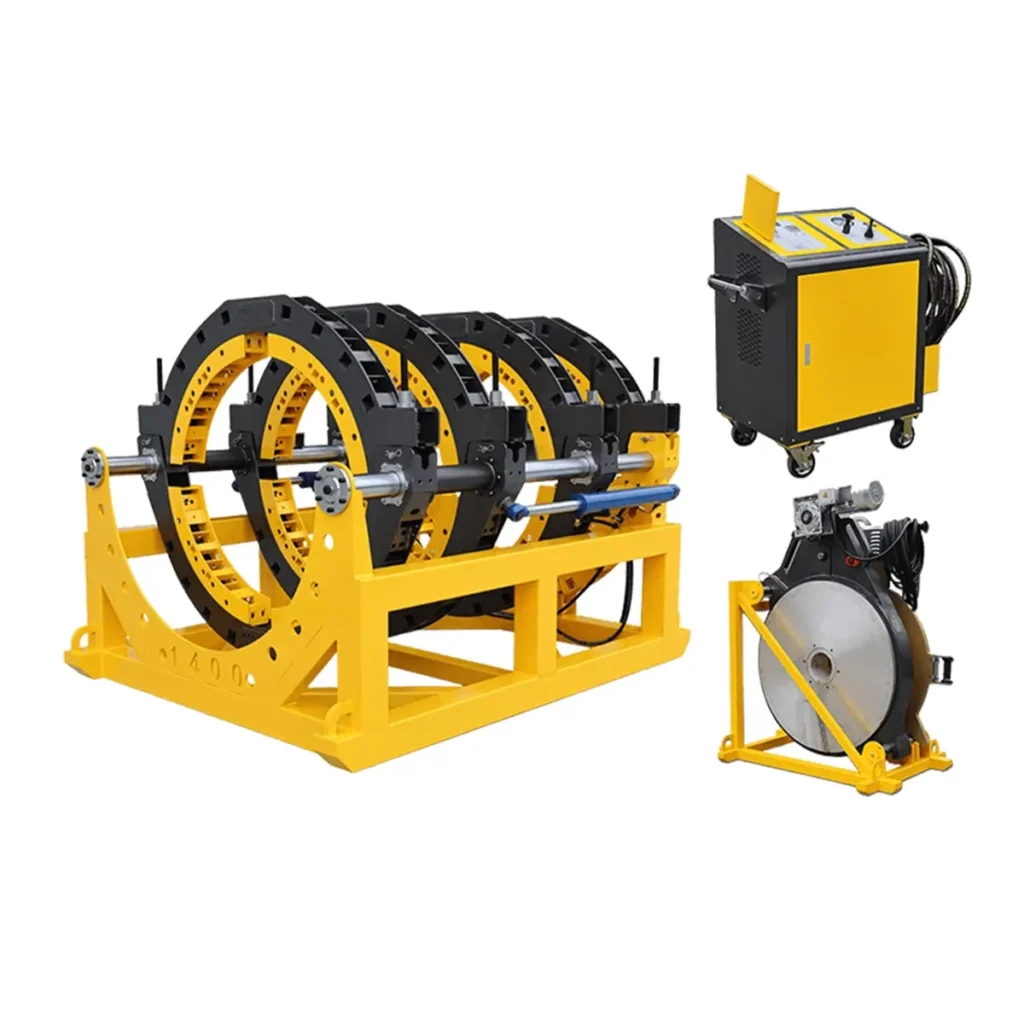
For construction, municipal utilities, and industrial projects across Turkmenistan, selecting the right pipe welding machine is a critical decision. From expanding water networks in Ashgabat to long-distance gas and oilfield pipelines in the west, reliable HDPE butt fusion machines deliver leak-free joints, fast installation, and long-term durability in the region’s hot, arid climate.
Why Butt Fusion HDPE Welding Suits Turkmenistan Projects
Butt fusion welding creates homogenous, strong joints ideal for HDPE pipes used in potable water, irrigation for cotton and agriculture, and gas distribution lines. In Turkmenistan, where wide temperature swings, high UV exposure, and dusty site conditions are common, butt fusion provides:
- High joint integrity — seamless welds resist leaks and corrosion.
- Rapid field installation — machines from manual to fully automated speed up pipeline rollout across remote areas.
- Wide diameter coverage — options for small distribution lines to large trunk pipelines used in utilities and oil/gas projects.
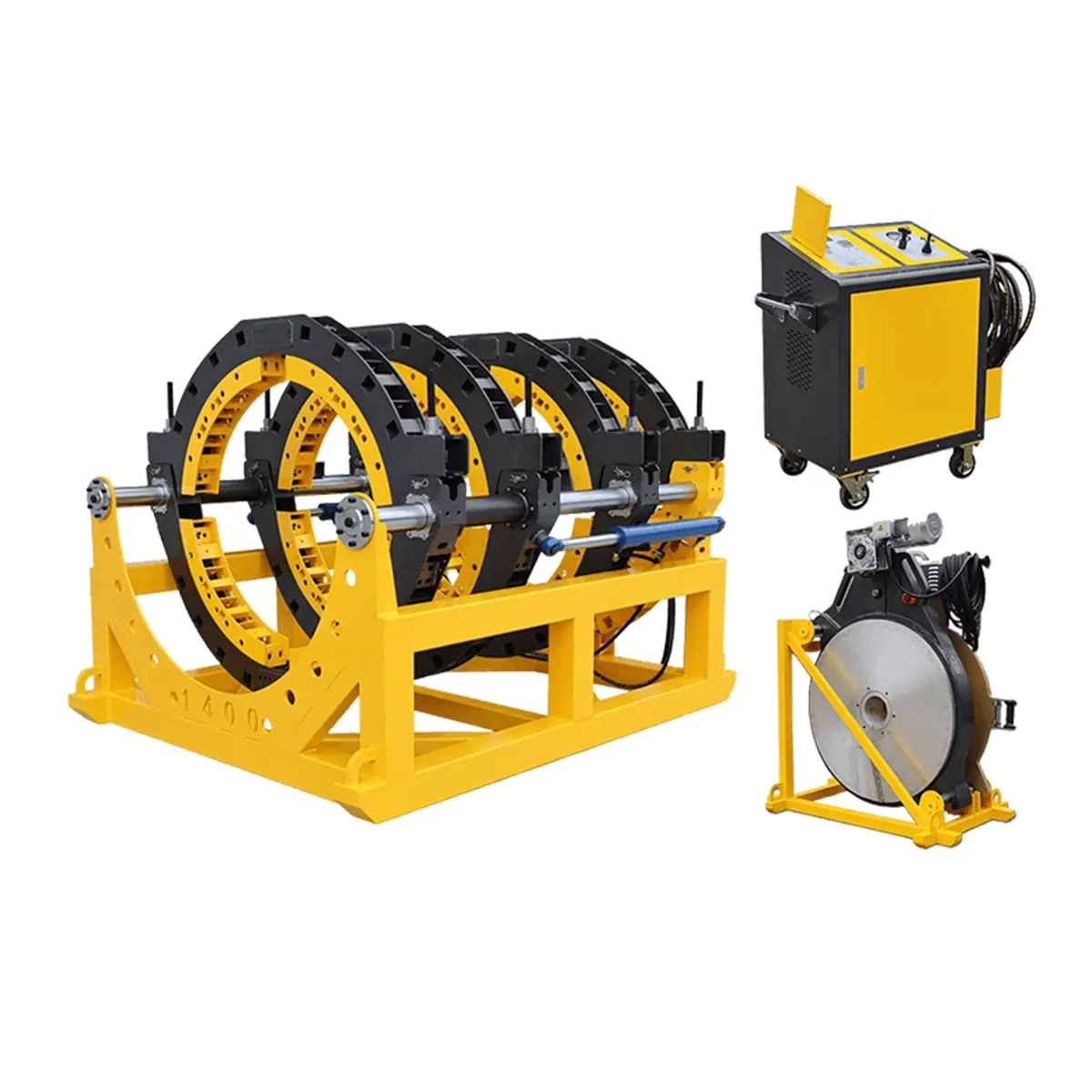
Top Machine Types for Construction & Industrial Use
Choice depends on pipe diameter, production speed, and site conditions. The most used categories in Turkmenistan include:
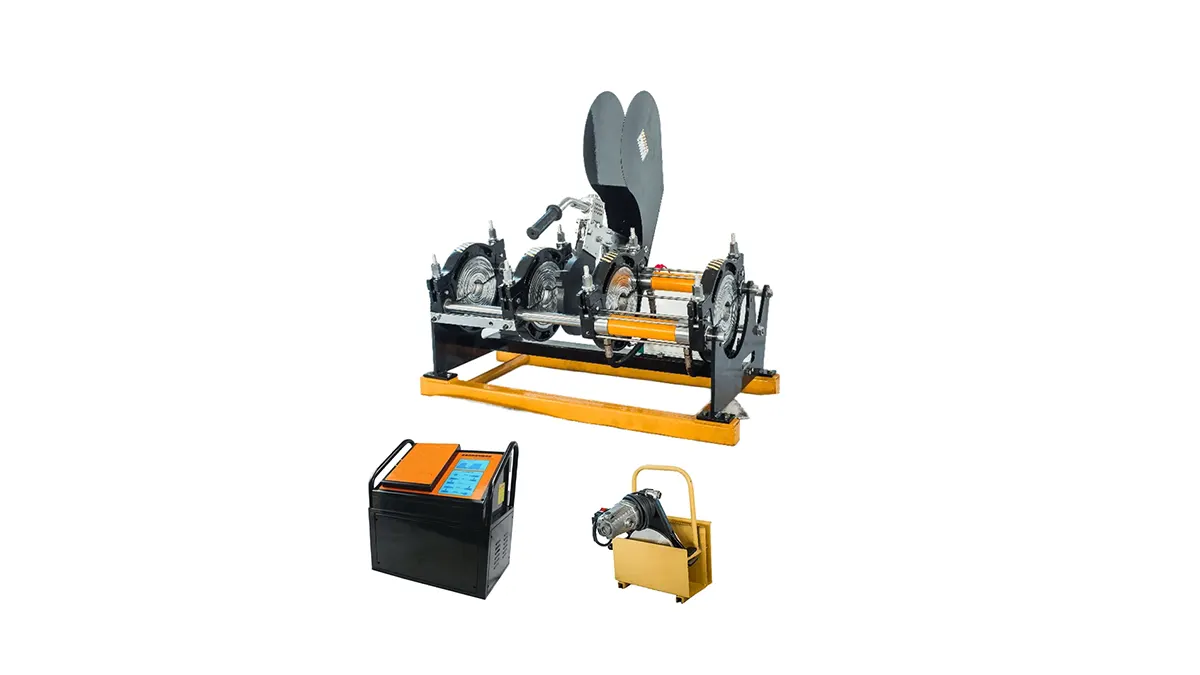
- Manual butt fusion — economical for small-diameter water and irrigation lines; portable for rural areas.
- Hydraulic butt fusion — robust for medium to large diameters in municipal and industrial pipelines.
- CNC Automatic butt fusion — precision and repeatability for high-volume, critical infrastructure like gas trunk lines.
- Multi-angle fitting machines — ideal for prefabricated fittings used in complex network junctions.
Quick Comparison Table: Best Options
| Machine Type | Pipe Range | Ideal Projects | Key Benefit |
|---|---|---|---|
| Manual Butt Fusion | 20–315 mm | Rural water, irrigation | Low cost, portable |
| Hydraulic Butt Fusion | 160–2250 mm | Urban water, industrial pipelines | Powerful clamping, durability |
| CNC Automatic Butt Fusion | 63–1250 mm | High-volume gas & utility lines | Accuracy, consistent weld records |
Selecting the Right Size for Turkmenistan Applications
Match pipe diameter to the application:
- 20–110 mm — domestic water, small distribution networks.
- 110–500 mm — municipal water mains and irrigation collectors often used in agricultural zones.
- 500–2250 mm — large-diameter industrial and trunk pipelines for utilities and oil/gas export facilities on the Caspian corridor.
Operation & Maintenance: Practical Tips for Harsh Environments
Turkmenistan’s climate and site conditions demand simple, rugged workflows:
- Store heating plates and control units in shaded, dust-free areas and use protective covers when not in use.
- Follow standard heating, alignment, and cooling cycles — consistent cycle control is essential for high-strength joints.
- Keep a local inventory of wear parts (heating plates, hydraulic hoses, clamps) to reduce downtime on remote sites.
- Provide operator training focused on safety, joint inspection, and record-keeping — automated machines deliver digital weld logs useful for compliance.
Compliance, Shipping & Local Support Considerations
For Turkmenistan projects, choose machines with clear technical documentation, calibration options, and spare-part accessibility. Plan logistics for border transit and customs, and verify that the supplier can provide training and after-sales support in the region.
For tailored butt fusion solutions and reliable machine supply, visit JQ-Fusion for model specifications, certification details, and export arrangements.
Ready to equip your next project? Specify the pipe diameters, expected daily weld count, and site conditions to get a recommended machine range and a fast quote. Investing in the correct pipe welding machine now saves time and reduces lifecycle costs for Turkmenistan’s infrastructure and industrial pipelines.



