
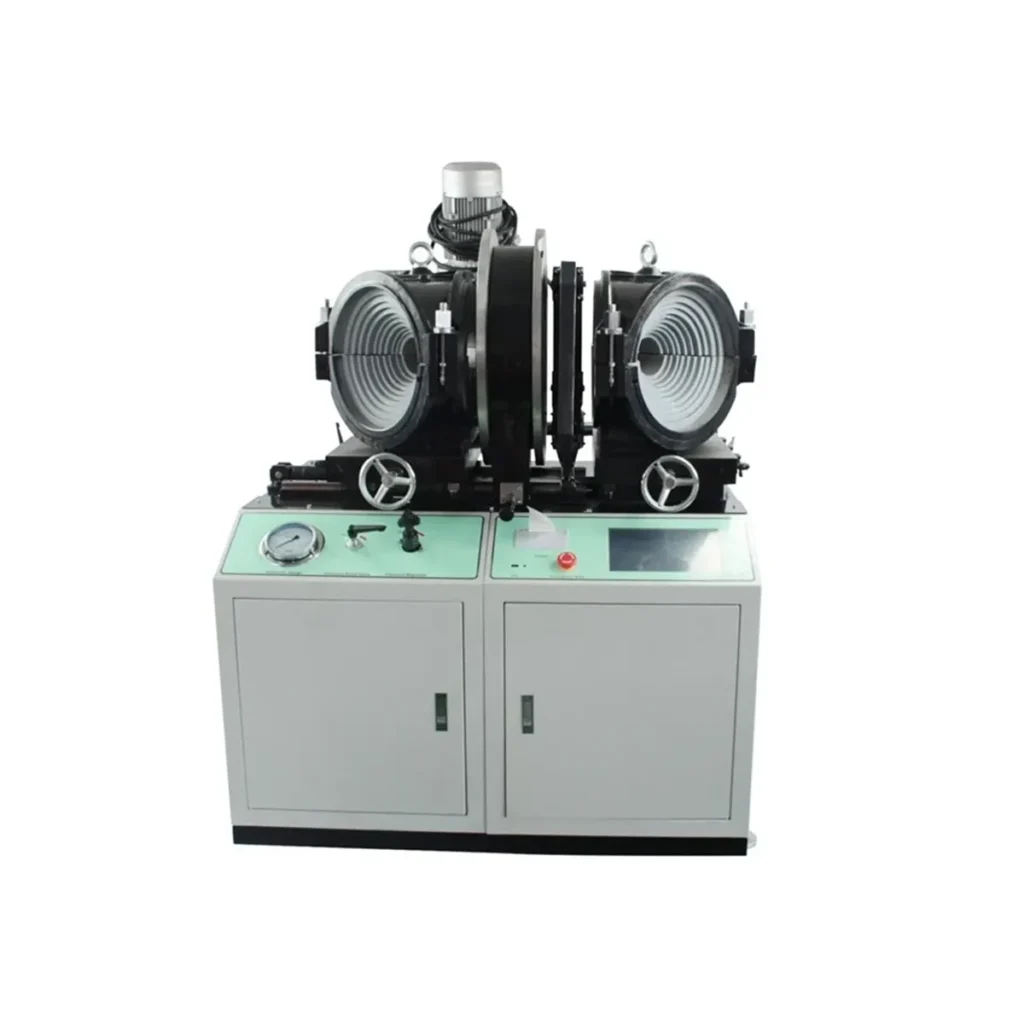
HDPE jointing machines are transforming pipeline installation and maintenance across Armenia — from Yerevan’s urban water networks to remote irrigation systems in the Ararat plain and highland gas distribution lines. Reliable butt fusion equipment delivers leak-free, long-lasting connections that withstand seismic conditions, large temperature swings and the rugged terrain common in Armenian infrastructure projects.
Why HDPE Jointing Machines Matter in Armenia
HDPE pipe welding using butt fusion is preferred for Armenia because it offers corrosion resistance, flexibility in mountainous routes and simplified installation for remote villages. Municipal engineers, contractors and agricultural project managers benefit from faster on-site jointing, reduced maintenance costs and joints that perform well under freeze-thaw cycles and seismic stress.
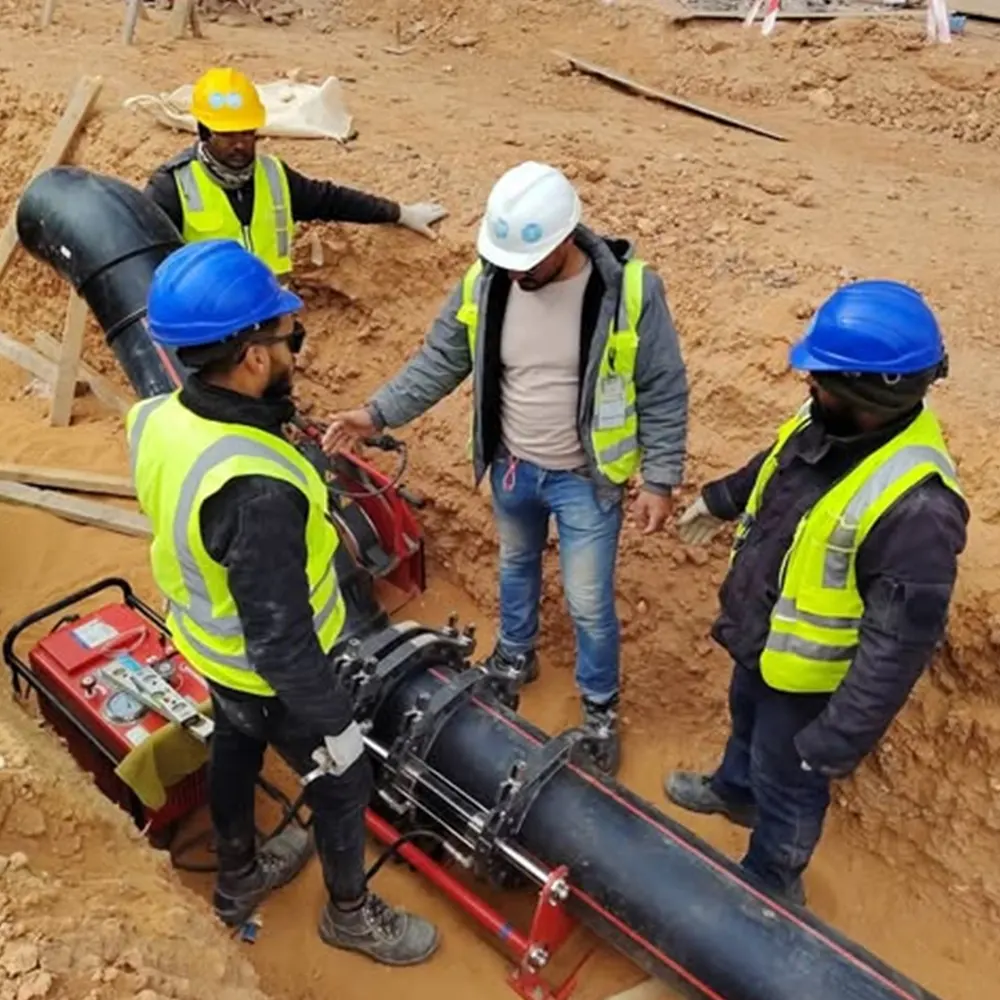
Local projects such as drinking water rehabilitation, irrigation modernization and regional gas distribution require equipment that is portable, robust and easy to operate. Teams working in steep gorges or unpaved access roads need machines that can be quickly set up and reliably produce quality welds.
Types of HDPE Jointing Machines for Armenian Conditions
Manual butt fusion machines are ideal for small-diameter repairs and rural projects. They are lightweight, simple to maintain and suited to contractors who require mobility across multiple sites.
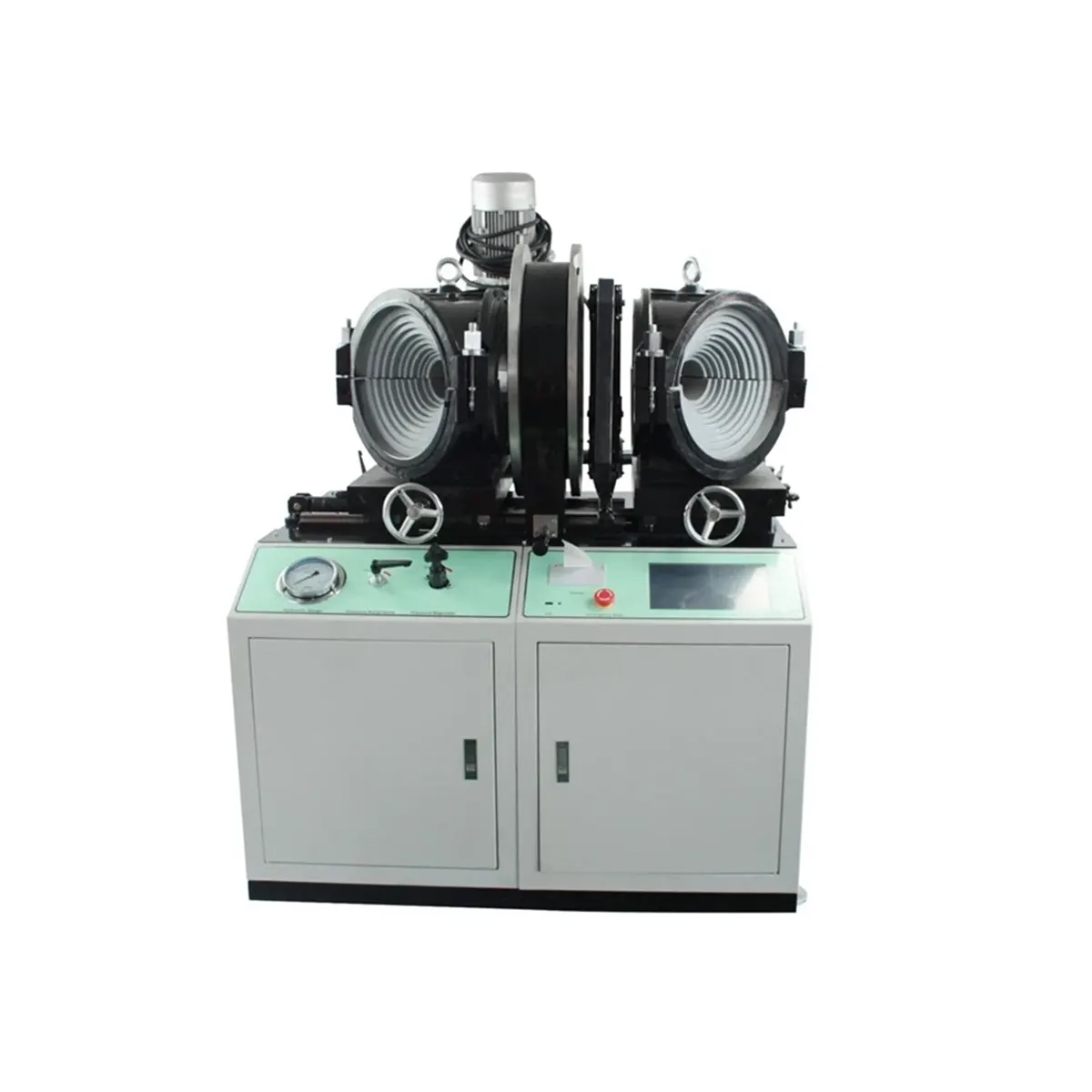
Hydraulic butt fusion machines provide stronger clamping force and are suitable for medium to large diameter pipes used in municipal water mains and industrial lines. These machines are well-suited for longer continuous runs where efficiency and consistent pressure are essential.
Automatic/CNC butt fusion machines deliver precise control over heating, fusion time and pressure — critical for high-volume or regulated installations such as gas distribution and major urban infrastructure works in Armenia. Automation reduces operator variability and ensures repeatable weld quality.
Selecting the Right Machine: Practical Guidance
When choosing equipment for Armenian projects, evaluate the following:
Pipe diameter and SDR — match the machine capacity to the pipe size used in the project.
Site accessibility — prioritize portable manual or smaller hydraulic units for mountainous villages; use larger hydraulic or automatic machines for urban and industrial installations.
Operator skills — automatic machines shorten the learning curve, while manual units require trained welders but offer lower initial cost.
Quick Comparison: Recommended Models
| Model | Pipe Range (mm) | Type | Best For |
|---|---|---|---|
| JQLX (Manual) | 20–400 | Manual | Rural repairs, mobile crews |
| JQH355 (Hydraulic) | 63–355 | Hydraulic | Municipal mains & industrial lines |
| JQA160 (Automatic) | 20–160 | Automatic | High-volume, quality-controlled projects |
| JQMA315 (Multi-angle) | Fittings up to 315 | Multi-angle fitting machine | Complex junctions & prefabrication |
Quality assurance and operator training are essential. Armenian contractors should adopt standardized welding procedures, perform destructive and non-destructive tests where required, and schedule routine maintenance to keep hydraulic and heating systems calibrated. For regional projects, consider spare part kits and portable testing tools to minimize downtime.
Logistics, Support and Local Adoption
Project planners in Armenia often face long transport routes and variable site conditions. Choose suppliers who offer clear export documentation, compact packaging for air or road freight, and remote technical support. Local teams appreciate equipment that arrives with intuitive manuals and can be supported remotely for firmware or procedure updates.
For procurement, technical specifications and after-sales support, contact JQ-Fusion: https://jq-fusionwelding.com/
Investing in the right HDPE jointing machine reduces leaks, extends pipeline service life and speeds project delivery across Armenia’s diverse landscapes. Whether building new water mains, expanding gas networks, or upgrading irrigation infrastructure, matching machine type to application and site conditions ensures reliable, cost-effective outcomes.



