
Looking for a reliable HDPE fusion machine wholesaler in Norway means balancing local availability, cold-climate performance, compliance with Norwegian standards, and dependable after-sales support. This guide helps contractors, municipal engineers, and suppliers in Norway identify trustworthy sources, evaluate machines for Scandinavian conditions, and navigate purchasing and import considerations.
Where Norwegian Buyers Usually Source HDPE Fusion Machines
Local distributors and equipment dealers in Oslo, Bergen, and Trondheim often stock proven butt fusion and electrofusion machines suited for water and gas networks. For larger projects, many civil contractors prefer direct imports from manufacturers with export experience, ensuring clear lead times and spares supply. Online B2B marketplaces and manufacturer websites are also common starting points for price comparison and technical specs.
Key Considerations for Norway’s Climate and Regulations
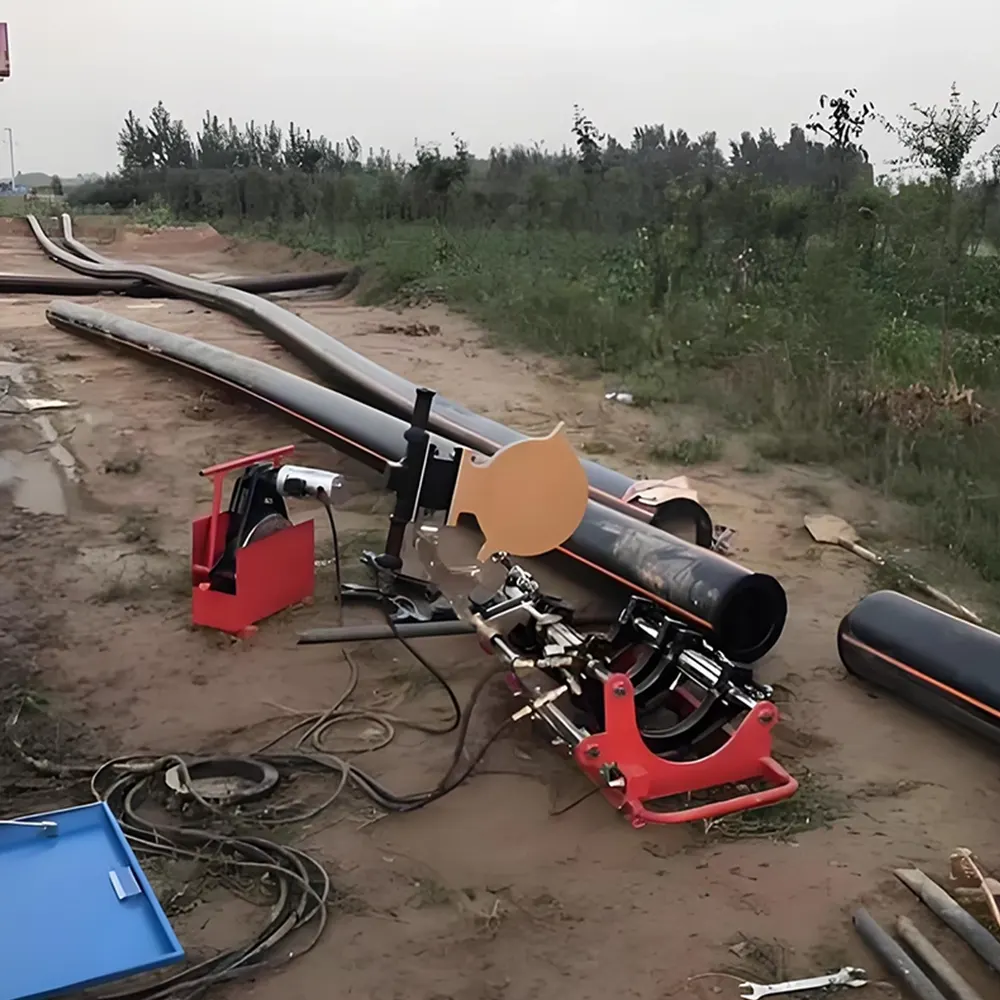
Norway’s cold winters and stringent utility regulations mean buyers should prioritize machines with accurate temperature control, robust hydraulic systems, and documentation for compliance (e.g., CE marking and welding procedure records). Portability for remote fjord or mountain sites and corrosion-resistant finishes for coastal environments are practical must-haves.
Who Should Buy Which Type
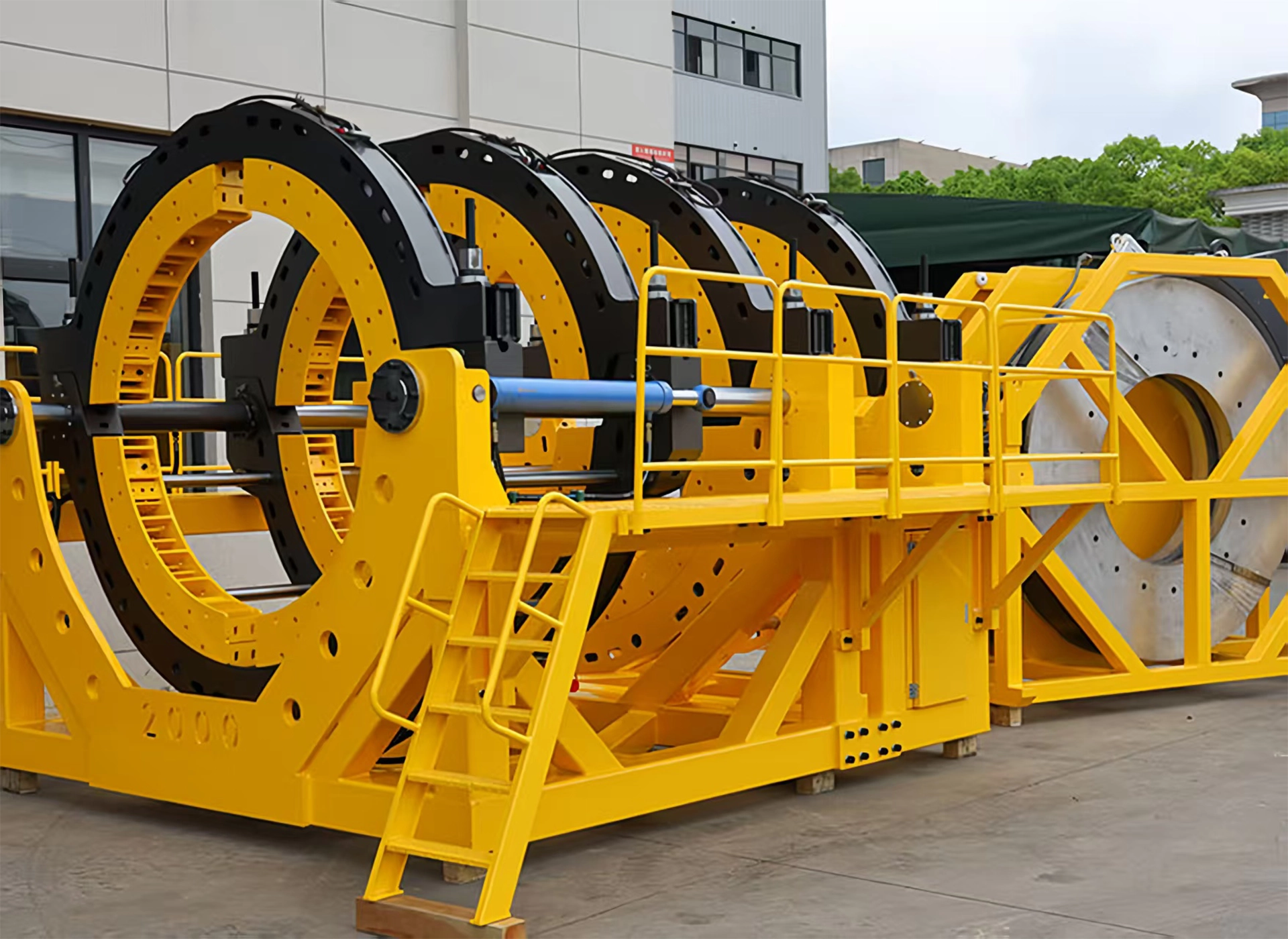
Small rural contractors and municipal maintenance crews typically choose manual or compact hydraulic butt fusion units for pipes up to DN315. Large pipeline contractors and utility companies aiming for long production runs invest in CNC automatic or large-diameter hydraulic machines for higher consistency and throughput.
How to Vet a Wholesaler: Checklist for Norwegian Purchasers
Before placing an order, confirm these aspects with the wholesaler or manufacturer:
- Stock availability & lead times for the specific model and spare parts.
- Shipping options to Norwegian ports and estimated customs/VAT handling.
- Local service network or clear remote-support procedures.
- Verified technical documentation, warranty, and training offerings.
Quick Comparison Table: Typical Machines for Norway Projects
| Machine Type | Typical Pipe Range | Best For |
|---|---|---|
| Manual Butt Fusion | 20–160 mm | Repair crews, small installations |
| Hydraulic Butt Fusion | 160–1200 mm | Utility and municipal projects |
| CNC Automatic Butt Fusion | 200–2000+ mm | Large-diameter pipelines, industrial jobs |
After-Sales and Training — What Matters Locally
Norwegian field teams value local or regional training on welding procedure specification (WPS), routine maintenance, and quick access to replacement heating plates and hydraulic seals. A wholesaler that partners with local service companies or provides thorough remote diagnostics reduces downtime on critical projects such as municipal water upgrades or offshore support lines.
Practical Buying Tips for Norway
If you are sourcing equipment from outside the EU/EEA, check import duties and VAT. Prefer suppliers who can handle CIF/CPT shipping to a Norwegian port and who offer clear HS codes for customs. Also ask for a sample welding report or performance log from similar climate projects to validate machine consistency.
Where to Start Today
Reach out to manufacturers or authorized wholesalers with a clear scope: pipe sizes, expected daily joint counts, project locations (remote or urban), and any certification requirements. For direct manufacturer support and a broad product selection covering manual, hydraulic, and CNC automatic butt fusion machines, consider contacting JQ-Fusion at https://jq-fusionwelding.com/ for detailed specs and export-ready solutions.
Final Note for Norwegian Buyers
Selecting a reliable wholesaler combines technical fit, logistical clarity, and dependable support. Focus on proven machine performance in cold climates, transparent shipping and warranty terms, and accessible training to ensure efficient HDPE joining across Norway’s diverse terrain.



