
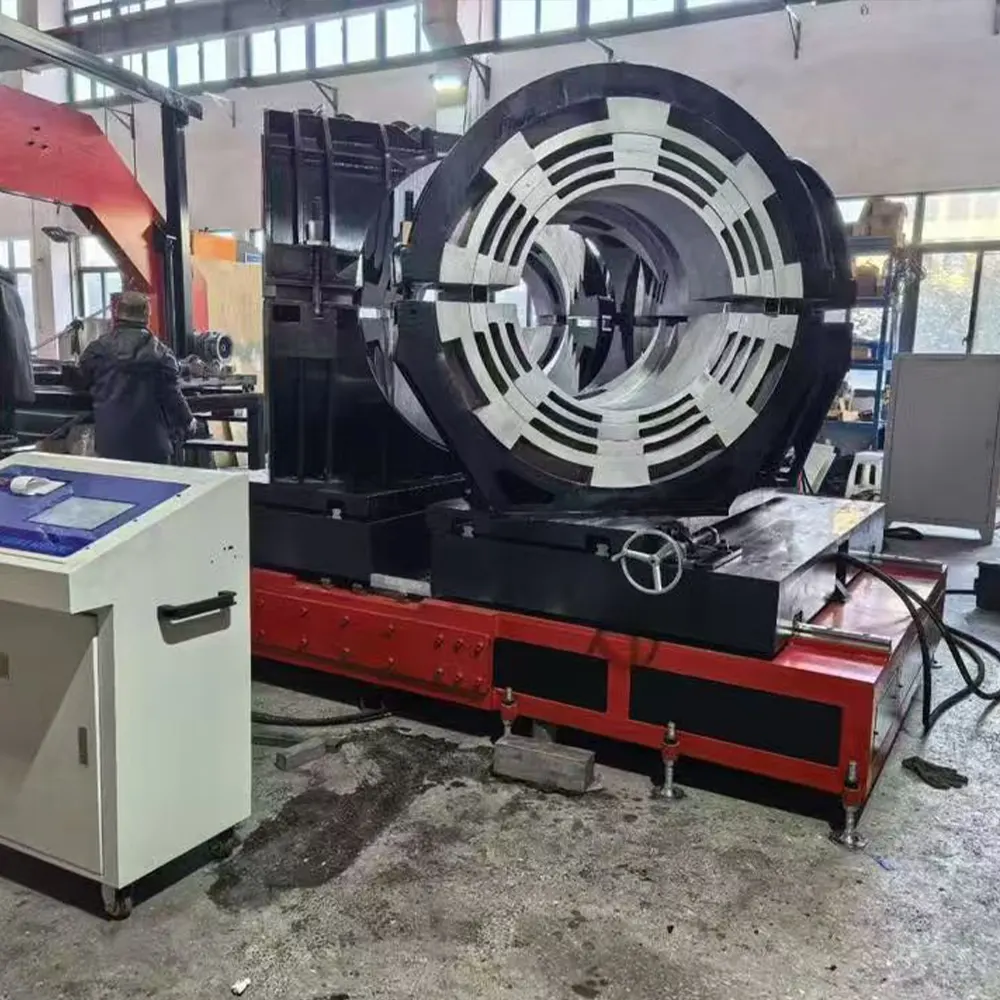
When a pipeline project depends on clean joints, reliable pressure performance, and long service life, welding equipment maintenance becomes more than a routine task—it becomes a safety standard. For contractors, workshop managers, and maintenance teams, knowing how to service pipe welding equipment correctly can reduce downtime, improve weld consistency, and protect both operators and the final installation. This guide explains the most important servicing practices for modern pipe welding systems, with a focus on safe operation, efficient upkeep, and long-term performance.
✔ Key principle: servicing should never be treated as a last-minute fix. A well-maintained machine delivers stable heat, accurate alignment, and dependable pressure control, which are essential for HDPE and other thermoplastic pipe fusion work.
Why Pipe Welding Equipment Servicing Matters
Pipe welding equipment works under heat, pressure, and repeated mechanical movement. Over time, even high-quality machines can show signs of wear in heating plates, hydraulic systems, clamp assemblies, and electrical controls. If these components are not checked regularly, the machine may produce uneven welds, cause excessive material stress, or fail during an active project. In industries such as water supply, gas distribution, mining, and industrial pipeline installation, these problems can lead to costly rework and operational delays.
A proper servicing routine helps maintain machine accuracy and also supports operator safety. Loose electrical connections, unstable temperature control, or poor clamp alignment can create hazards that are avoidable with disciplined inspection. That is why the best servicing guide is not just about cleaning or lubrication—it is about building a maintenance process that supports both productivity and compliance.
Understanding the Main Components That Need Attention
Before servicing begins, it is useful to understand which parts usually require the most care. Butt fusion systems, hydraulic units, and automatic welding machines all share several critical elements:
1. Heating plate: responsible for reaching and holding the correct temperature for fusion. Any surface damage, uneven heating, or calibration drift can affect weld quality.
2. Hydraulic system: provides the pressure needed during alignment and fusion. Leaks, unstable pressure, or contaminated oil can reduce performance.
3. Clamp and frame assembly: keeps pipe sections centered and secure. Misalignment here often leads to poor weld geometry.
4. Electrical controls and sensors: manage temperature, timing, and operational accuracy, especially in CNC automatic equipment.
5. Cutting and facing tools: used to prepare pipe ends. Dull blades or worn cutting tools can compromise the joint surface.
Each of these parts influences weld quality in a different way. Servicing should always be done with a full-system view rather than focusing only on the visible surface of the machine.
Daily Servicing Checklist for Safe Operation
Daily checks are the foundation of efficient maintenance. They take little time, but they help catch small issues before they become serious problems. A good daily checklist should include the following:
● Inspect the power supply: verify cables, plugs, and connectors are secure and free from visible damage.
● Check heating plate condition: look for scratches, residue buildup, or discoloration on the heating surface.
● Confirm temperature readings: compare the machine display against a trusted external thermometer when needed.
● Observe hydraulic pressure: ensure the system reaches and maintains the required working pressure without unusual fluctuation.
● Clean clamps and guides: remove dust, plastic residue, and moisture after each use.
● Test moving parts: make sure frame movement, alignment, and locking functions operate smoothly.
These checks are especially valuable for teams working on large pipeline projects where machines may run continuously. A small issue detected in the morning can prevent a full shutdown later in the day.
Weekly and Monthly Maintenance Practices
While daily checks focus on immediate risks, weekly and monthly servicing goes deeper. This stage usually includes more detailed cleaning, lubrication, calibration, and component inspection. For example, hydraulic oil levels should be checked weekly, and the condition of seals and hoses should be reviewed for leaks or cracks. If any oil contamination is visible, the system should be serviced immediately rather than waiting for the scheduled interval.
Temperature calibration is another critical task. Heating plates must reach stable and accurate temperatures to create strong fusion joints. Inconsistent heat can cause weak seams, burning, or incomplete fusion. Monthly calibration with proper testing tools helps keep the machine within acceptable working limits. For automatic systems, sensor verification is equally important because digital controls rely on precise feedback to operate correctly.
Lubrication should also be applied to moving parts according to the manufacturer’s guidance. Over-lubrication can attract dust and debris, while insufficient lubrication can increase wear. The goal is smooth, controlled movement without contamination.
Tip: maintenance logs should always record the date, task performed, parts replaced, and any abnormal findings. This makes troubleshooting faster and helps track repeated issues before they affect production.
How to Service a Butt Fusion Machine Correctly
A butt fusion machine is only as dependable as its setup and upkeep. Whether it is manual, hydraulic, or fully automatic, the servicing approach should include inspection of alignment, face quality, temperature uniformity, and pressure response. You can learn more about a butt fusion machine and its application in pipeline projects to better understand why precision matters during maintenance.
First, the machine should be cleaned after every job. Plastic shavings, dirt, and moisture can collect around the clamps and tools, creating friction or contamination. Second, the facing tool should be checked for sharpness and stability. If pipe ends are not prepared with a smooth and even surface, the weld becomes less reliable. Third, the heating plate should be tested for surface uniformity. Even a small hot spot or cold zone can alter the final joint.
Hydraulic butt fusion machines require extra attention to pressure stability. Inspect the oil level, seals, and fittings regularly. Any delay in pressure response may indicate internal wear or air in the system. In automated equipment, software settings and control interfaces should be reviewed to ensure timing, pressure, and temperature sequences remain correct.
Important: never service the machine while it is hot, pressurized, or connected to power unless the procedure specifically requires testing under controlled conditions. Safety first prevents injuries and reduces equipment damage.
Choosing the Right Service Environment
Maintenance quality is strongly affected by the environment in which service work is performed. A clean, dry, well-lit area is ideal. Dust, humidity, and unstable power supplies can all interfere with accurate inspection and repair. If servicing is done on-site, portable work areas should be set up to keep tools organized and prevent contamination of sensitive surfaces.
Temperature also matters. Extreme cold can affect hydraulic oil viscosity, while excessive heat may create discomfort for technicians and complicate temperature checks. If possible, allow machines to stabilize before inspection so readings are reliable. This is especially important for projects in remote or industrial locations where environmental conditions can vary widely.
Safety Rules Every Technician Should Follow
Safe servicing is built on discipline. Technicians should always disconnect power before opening panels or touching internal components. Protective gloves, safety glasses, and proper footwear should be worn during maintenance. When working near heated surfaces, use tools designed for high-temperature handling rather than bare hands.
Another important rule is to follow the machine manual and the manufacturer’s recommended procedures. Different models may use different pressure ranges, heating settings, or service intervals. For example, equipment designed for larger pipe diameters may have heavier frames, stronger hydraulic units, and more complex alignment systems than smaller machines. Ignoring these differences can lead to improper servicing.
Safety reminder: if a machine shows repeated faults, unusual noise, or unstable operation, stop using it until a qualified technician completes the inspection. Continuing to run damaged equipment increases both repair cost and job-site risk.
How Proper Maintenance Improves Efficiency
Efficient maintenance is not only about avoiding breakdowns. It also improves workflow, reduces energy waste, and increases the consistency of every weld. A well-maintained heating plate reaches target temperature faster and holds it more accurately. A serviced hydraulic system responds more smoothly, allowing operators to work with confidence. Clean clamps and sharp cutting tools reduce preparation time and make the entire fusion cycle more efficient.
In large-scale projects, this efficiency has real financial value. Less downtime means more pipe sections completed per shift, fewer rejected welds, and lower overall labor cost. For distributors and contractors alike, machine reliability supports reputation, customer satisfaction, and long-term project success.
This is one reason why manufacturers with strong quality control, such as JQ-Fusion, emphasize stable performance, technical support, and durable construction. Modern pipe welding equipment is built to serve demanding international projects, but it still requires proper care to maintain those advantages over time.
The Role of Customization and Technical Support
Not every project uses the same pipe sizes, voltage standards, or working conditions. That is why customization matters. Machines configured for specific job requirements are easier to maintain because they are designed around the actual application, whether that means manual operation, hydraulic control, or CNC automation. OEM and ODM customization can also make servicing more practical by matching the equipment to regional standards and operator preferences.
Reliable technical support is equally important. When a team has access to product guidance, spare parts information, and troubleshooting assistance, maintenance becomes faster and more accurate. Good support shortens downtime and helps operators solve problems before they escalate.
Recommended Long-Term Service Strategy
A strong long-term strategy combines prevention, documentation, and training. Prevention means performing inspection before failure occurs. Documentation means keeping a record of service work, calibration results, and component replacements. Training means ensuring operators understand the machine, recognize warning signs, and know when to stop and request help.
A practical strategy might include daily visual checks, weekly system cleaning, monthly calibration, and a more detailed quarterly inspection by a technician. For machines working in heavy-duty environments, more frequent checks may be necessary. The exact schedule should always reflect usage intensity, pipe diameter range, and site conditions.
Common Mistakes to Avoid
Many service problems come from avoidable mistakes. One common issue is delaying maintenance until the machine visibly fails. Another is using improper tools, which can damage surfaces or distort components. Some teams also ignore small oil leaks, assuming they are harmless, even though they may indicate larger hydraulic problems. Others skip calibration because the machine seems to work “well enough,” which can lead to inconsistent welds over time.
The best approach is simple: treat every warning sign seriously, use correct procedures, and never assume that a machine can keep performing at peak level without routine service. Preventive maintenance is always less expensive than emergency repair.
Conclusion
The best pipe welding equipment servicing guide is one that helps teams stay safe, efficient, and consistent. By checking key components daily, maintaining hydraulic and electrical systems regularly, calibrating heating and pressure controls, and following proper safety procedures, operators can extend machine life and protect weld quality. Whether the equipment is used for water pipelines, gas networks, mining projects, or industrial installation, disciplined maintenance supports every stage of the welding process.
If your operation depends on strong fusion performance, make maintenance a planned part of production rather than an afterthought. A well-serviced machine reduces risk, improves output, and gives your team the confidence to deliver reliable pipeline connections under demanding conditions.
FAQs
Q1: How often should pipe welding equipment be serviced?
It should be checked daily for visible issues, maintained weekly for cleaning and fluid inspection, and calibrated monthly or according to the manufacturer’s schedule.
Q2: What is the most important part to inspect on a butt fusion machine?
The heating plate, hydraulic system, and clamp alignment are among the most critical parts because they directly affect weld quality and safety.
Q3: Can minor temperature errors affect the weld?
Yes. Even small temperature deviations can weaken the fusion joint, cause uneven melting, or reduce long-term pipe performance.
Q4: Why should maintenance logs be kept?
Logs help track recurring issues, support troubleshooting, and ensure that servicing is completed on time and in the correct order.
Q5: Is professional technical support necessary for routine servicing?
Yes, especially for hydraulic or CNC automatic systems, because expert support can prevent costly errors and keep equipment operating safely.



