
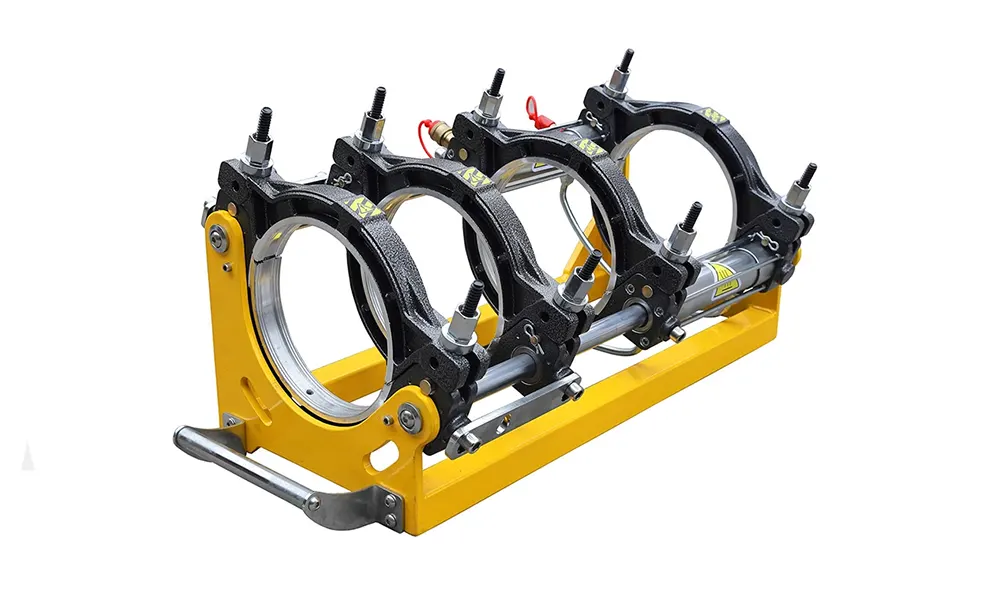
Pipeline welding is one of those jobs where the right equipment can make the difference between a smooth, profitable project and a costly, delayed one. For contractors, the question is not simply which machine works, but which machine delivers the best combination of reliability, portability, weld quality, productivity, and long-term value. In today’s pipeline market, choosing the best pipeline welding equipment means matching the machine to the pipe material, diameter range, jobsite conditions, and required output. When the equipment is built for consistency and supported by solid technical service, the contractor can weld with more confidence and less rework.
For HDPE and thermoplastic pipeline work, many contractors prefer butt fusion systems because they create strong, uniform joints without extra connectors. A well-built butt fusion machine can streamline installation in water supply systems, gas distribution projects, mining sites, and industrial pipelines. The best equipment should help the operator control heating, pressure, alignment, and cooling precisely, while still being rugged enough for field use.
Key idea: the best pipeline welding equipment for contractors is not always the most expensive model. It is the one that consistently produces approved welds, reduces downtime, supports different project sizes, and matches the crew’s skill level.
What Contractors Should Look for First
Before comparing brands or prices, contractors should evaluate the actual demands of the job. A small municipal water line has very different needs from a large industrial transfer line. Pipe diameter, material thickness, site access, power supply, and crew experience all influence the ideal welding setup. In practice, the best system is the one that fits the project without unnecessary complexity.
Important selection factors include:
• Pipe diameter range and compatibility
• Fusion control accuracy
• Hydraulic stability and clamp alignment
• Field durability and maintenance needs
• Availability of training, parts, and technical support
Contractors often underestimate how much time is lost when a machine is difficult to calibrate or inconsistent under pressure. If the equipment is precise and user-friendly, crews can maintain better production rates and avoid weld failures. That is especially important on jobs with tight deadlines and strict inspection requirements.
Why Butt Fusion Machines Are a Strong Choice
For HDPE pipeline installations, butt fusion remains one of the most trusted joining methods. It creates a continuous pipe system with excellent leak resistance and high structural integrity. Compared with mechanical joining methods, it often reduces long-term maintenance and improves overall system performance.
A quality machine should deliver stable heating plate temperature, even pressure application, and proper clamp alignment. These factors directly influence weld strength. Contractors who work on large-scale infrastructure usually prefer equipment that can handle repeated cycles without losing accuracy. That is why many project teams choose reliable models from experienced manufacturers with proven field performance.
Advantages of a well-designed butt fusion system:
✔ Strong and repeatable weld quality
✔ Suitable for a wide range of HDPE pipe projects
✔ Lower long-term maintenance in pipeline systems
✔ Better performance in harsh jobsite conditions
Manual, Hydraulic, or CNC Automatic?
The best equipment type depends on project scale and precision requirements. Manual machines are often practical for smaller crews or simpler installations where the operator needs flexibility and lower investment costs. Hydraulic machines are widely used by contractors because they provide more controlled pressure and improved consistency, especially on medium to larger diameter pipes. CNC automatic systems offer the highest level of process control, which can be valuable when repeatability and speed are critical.
For many contractors, hydraulic systems strike the best balance between cost and performance. They are powerful enough for demanding jobs while still remaining relatively easy to transport and operate. CNC systems, on the other hand, can reduce human error and support more standardized workflow management. The decision should be based on whether the contractor prioritizes portability, production speed, or maximum automation.
Performance Features That Matter Most
When comparing equipment, look beyond the basic product description. Contractors should focus on the features that directly influence weld quality and jobsite efficiency. Stable temperature control is essential because improper heat can weaken the fusion interface. Accurate hydraulic pressure helps ensure the pipe ends are joined under the correct force. Strong clamp alignment prevents distortion and improves the final result.
Top performance features to prioritize:
• Precise heating plate temperature
• Reliable hydraulic pressure stability
• Durable clamps with accurate alignment
• Easy operation and clear controls
• Long service life with minimal downtime
Note: even advanced equipment can fail to deliver results if it is difficult for the crew to use. Simplicity, readability, and maintenance access are just as important as technical specifications.
Why Manufacturer Support Is a Big Part of the Answer
Contractors often focus on the machine itself and forget the value of the manufacturer behind it. Strong support can reduce project risk, especially for international jobs or urgent schedules. A dependable manufacturer should offer technical guidance, spare parts, customization options, and responsive after-sales support. This is particularly important when crews must adapt to different standards, voltages, or project specifications.
JQ-Fusion is known for producing HDPE pipe welding equipment with more than 20 years of industry experience. Their product range includes manual, hydraulic, and CNC automatic butt fusion welding machines, plus electrofusion and multi-angle pipe fitting welding equipment. For contractors, this breadth matters because it allows them to choose a solution aligned with project size and application requirements. Learn more about pipeline welding solutions from a manufacturer focused on global construction needs.
Why support matters on real projects:
★ Faster troubleshooting on site
★ Better training for new operators
★ Reduced downtime during critical work
★ Easier customization for unique project needs
How Quality Control Protects the Contractor
A welding machine is only as dependable as the quality behind its manufacture. Strong quality control helps ensure that each unit performs consistently in the field. Testing temperature accuracy, hydraulic pressure stability, and clamp alignment inspection are all essential steps. Without these checks, even a visually solid machine may create expensive weld defects later.
This is one reason contractors value suppliers with strict inspection systems and international certifications. For example, products certified by SGS and manufactured to meet global standards offer added confidence in safety and reliability. That confidence becomes a real business advantage when a contractor is responsible for meeting strict delivery dates and performance expectations.
Customization Can Be the Best Investment
Not every project is standard. Some require special voltage, branded equipment, specific color schemes, or upgraded functional configurations. OEM and ODM services allow contractors and distributors to adapt machines to their business model or project environment. This flexibility is useful for companies building a long-term market position, especially in regions with unique operating requirements.
Customization also improves productivity. A machine configured for a specific pipe range or site condition can reduce handling steps and simplify training. For contractors, that means less waste, fewer mistakes, and better overall project control.
Inventory, Delivery, and Project Timing
In contracting, timing often matters as much as performance. A machine that arrives late can slow down an entire project. That is why large inventory and efficient logistics are important selection criteria. Suppliers with ready stock and organized production systems can help reduce delays and keep crews working.
For urgent jobs, the ideal vendor is one that can respond quickly, ship reliably, and provide installation guidance without delay. Fast delivery is not just a convenience; it is a direct contributor to profitability.
Best Use Cases for Contractors
The best pipeline welding equipment depends on the application. In water supply systems, contractors often need dependable, consistent fusion across long runs of HDPE pipe. In gas distribution, weld quality and compliance become even more critical. Mining projects may demand robust machines that can withstand dust, vibration, and remote-site conditions. Industrial pipeline installations often require flexibility for multiple pipe sizes and configurations.
A contractor serving multiple sectors may benefit most from a flexible system lineup: a hydraulic butt fusion machine for general field work, an automatic machine for high-volume standardized tasks, and electrofusion equipment for situations where fittings and space constraints require a different method.
Practical Buying Advice
Ask three questions before buying: Can this machine support the diameter range I work with most often? Will my crew be able to operate it efficiently? Does the manufacturer provide the support I need after purchase? If the answer is yes to all three, the equipment is likely a strong candidate. Contractors should also compare maintenance needs, part availability, and total cost of ownership rather than only the initial purchase price.
Quick contractor checklist:
• Choose the right machine type for the job
• Confirm compatibility with pipe sizes and standards
• Verify quality control and certifications
• Check support, training, and spare parts availability
• Review delivery time and customization options
When these factors are evaluated together, the “best” pipeline welding equipment becomes much easier to identify. It is the machine that delivers dependable welds, keeps labor efficient, and supports the business beyond the first project.
Conclusion
For contractors, the best pipeline welding equipment is the one that aligns with real-world project demands. In most HDPE pipeline applications, a high-quality butt fusion machine remains one of the most practical and profitable choices. Hydraulic and CNC automatic systems can further improve control, consistency, and productivity, especially when supported by strong manufacturing quality and responsive service. By focusing on performance, durability, customization, and supplier support, contractors can invest in equipment that improves weld quality and strengthens their competitive position.
FAQ 1: What type of welding equipment is best for HDPE pipelines?
For most HDPE pipeline projects, butt fusion equipment is the preferred choice because it provides strong, durable, and leak-resistant joints with excellent long-term performance.
FAQ 2: Is hydraulic equipment better than manual equipment?
Hydraulic machines usually offer better pressure control, consistency, and efficiency, which makes them a better option for many contractors working on medium to large projects.
FAQ 3: Why is manufacturer support important?
Support matters because it helps with training, troubleshooting, spare parts, customization, and after-sales service, all of which reduce downtime and project risk.
FAQ 4: What should contractors check before buying a machine?
They should check pipe size compatibility, weld accuracy, quality control, delivery time, technical support, and whether the machine matches the specific project environment.
FAQ 5: Can one machine handle different project types?
Some machines are versatile enough for multiple applications, but contractors often achieve better results by selecting equipment based on the specific pipe material, diameter range, and site conditions.



