
HDPE pipeline installation is one of the most important stages in building a durable, leak-resistant, and long-lasting pipe network. Whether the project is for water supply, gas distribution, mining, or industrial transport, the quality of installation directly affects the performance and safety of the entire system. A well-installed HDPE line can deliver decades of reliable service, while poor workmanship can lead to joint failure, pressure loss, and costly repairs. That is why contractors, engineers, and site supervisors should follow proven best practices at every stage of the process.
Before any welding or laying begins, the project team should review the pipe specifications, site conditions, and installation standards in detail. HDPE pipe is valued for its flexibility, corrosion resistance, and excellent impact strength, but it also requires proper handling and joining methods to perform as expected. The most reliable joints are usually produced by thermal fusion, especially butt fusion, which creates a continuous connection between pipe ends. For projects that demand stable, repeatable fusion quality, many contractors choose a butt fusion machine that matches the pipe diameter and project requirements.
Key point: successful HDPE installation starts long before the first weld. It begins with proper planning, accurate material preparation, and a disciplined work process that minimizes risk and ensures consistency on site.
1. Plan the Project Before Installation Starts
A detailed installation plan should cover route alignment, trench design, pipe sizing, joining method, testing schedule, and safety controls. HDPE pipe is often selected for projects that involve difficult terrain or high movement, so the design must account for soil conditions, thermal expansion, groundwater, and expected operating pressure. When these factors are identified early, the installation team can avoid unnecessary rework and prevent field problems later.
It is also essential to confirm that all equipment, fittings, and consumables are available before work starts. This includes pipe supports, fusion tools, cleaning materials, clamps, and inspection instruments. A project that begins without full preparation often suffers from delays, inconsistent weld quality, and avoidable downtime.
Practical advice: match the fusion equipment to the pipe size range, wall thickness, and site environment. For large-scale systems, hydraulic or CNC machines can improve repeatability and reduce operator error.
2. Inspect and Handle HDPE Pipe Correctly
HDPE pipe should be inspected on arrival to ensure it is free from cracks, deep scratches, deformation, or shipping damage. Even though HDPE is tough and flexible, damaged pipe sections should not be installed, especially in pressurized systems. The inspection process should also verify pipe markings, dimensions, pressure class, and certification information.
Handling is equally important. Pipes should be stored on level supports and protected from direct contamination. During lifting and moving, use proper equipment and avoid dragging the pipe across rough surfaces. Dirt, dust, moisture, and oil on the pipe ends can compromise fusion quality, so the installation area must remain clean and controlled.
Remember: a perfect weld cannot compensate for poorly handled pipe. Clean surfaces and undamaged pipe ends are essential for reliable joint performance.
3. Prepare the Site and Trench Properly
Trench preparation has a direct impact on the long-term behavior of the pipeline. The trench should be wide enough to allow safe pipe placement, joining, inspection, and backfilling. The bottom of the trench must be smooth and free from sharp rocks, construction debris, or hard protrusions that could damage the pipe wall.
When the soil is unstable or rocky, a bedding layer of suitable material is often required. This helps distribute load, reduces abrasion, and protects the pipe from point stress. In some installations, special attention is needed for changes in direction, slope transitions, and areas with heavy traffic loads. A thoughtful trench design improves both installation efficiency and system reliability.
Essential trench goals
- Provide stable pipe support along the full line
- Prevent damage from rocks and debris
- Allow safe access for fusion and inspection
- Support proper backfilling and compaction
4. Use the Correct Joining Method
One of the strongest advantages of HDPE pipeline systems is the ability to create leak-free joints through fusion. Butt fusion is widely used for straight pipe-to-pipe connections, because it forms a homogeneous joint with performance close to that of the pipe itself. Electrofusion is often used for repairs, branch connections, or locations where butt fusion access is limited.
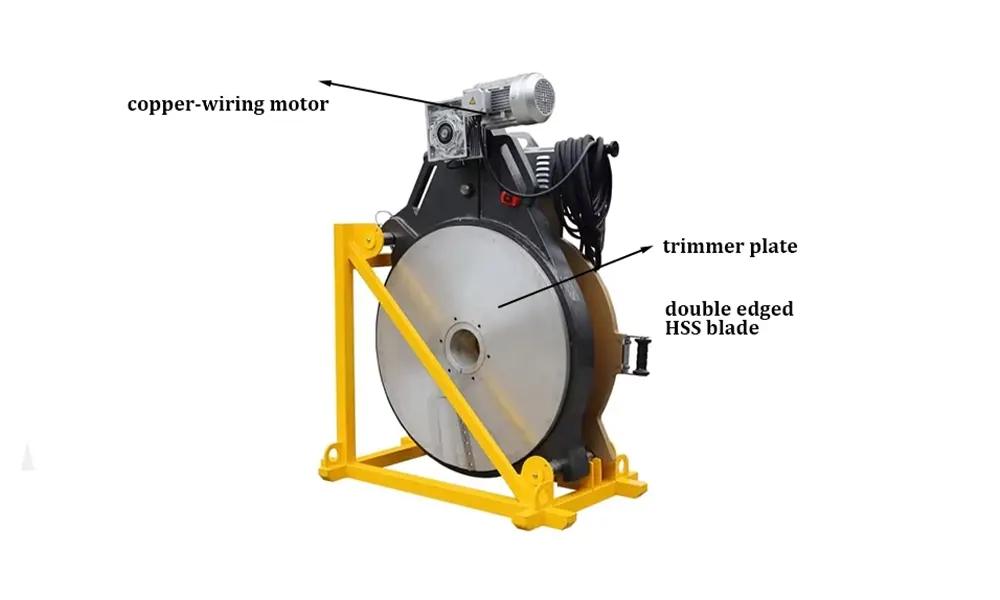
For butt fusion, the pipe ends must be aligned, trimmed, heated, and joined under controlled pressure and temperature. Each step matters. If the ends are not square, if the heating plate is contaminated, or if the cooling time is ignored, the finished weld may not meet quality standards. That is why trained operators and dependable equipment are critical for any serious installation.
Best practice: use fusion equipment with accurate temperature control, stable hydraulic pressure, and reliable alignment. For global projects, manufacturers such as JQ-Fusion provide manual, hydraulic, and CNC automatic solutions designed for different jobsite requirements.
5. Maintain Cleanliness During Fusion
Cleanliness is a critical factor in achieving strong HDPE fusion joints. Before welding, the pipe ends should be scraped or faced to remove the oxidized surface layer. The heating plate must also be clean, dry, and at the correct working temperature. Even small amounts of dust, grease, or moisture can reduce weld integrity and lead to weak bonds.
Operators should use clean gloves, protected tools, and controlled work procedures to avoid contaminating the surfaces. If a prepared pipe end is left exposed for too long, it may need to be re-cleaned before fusion. Good cleanliness habits save time in the long run because they reduce the need for rework and failed welds.
Common contamination risks
- Dust from wind or nearby excavation
- Oil or grease from tools and machinery
- Moisture on pipe ends or heating surfaces
- Improper handling after facing or cleaning
6. Control Fusion Parameters Precisely
Every HDPE fusion process requires controlled parameters. Heating time, changeover time, pressure, temperature, and cooling duration must be followed according to the pipe manufacturer’s recommendations and the applicable project standard. These settings should not be estimated by eye or adjusted casually in the field.
Accurate control is especially important for larger diameter pipes, where the thermal mass is greater and the fusion window is narrower. A machine that maintains pressure stability and alignment can greatly improve the quality of the finished joint. For contractors who need dependable performance across different job sites, modern equipment with data recording and automated control can provide significant value.
Important: the most successful fusion joints come from disciplined process control, not from speed. Take the time to follow the full heating, joining, and cooling cycle correctly.
7. Train the Installation Team Well
Even the best equipment cannot guarantee good results if the team is not properly trained. Operators should understand surface preparation, machine setup, parameter control, safety rules, and inspection requirements. They should also know how to identify signs of poor alignment, contaminated surfaces, and unsuitable fusion conditions.
Training becomes even more important when a project uses multiple crews or works across several shifts. Consistent procedures help maintain quality from the first joint to the last. Many contractors also rely on technical support from their equipment supplier to improve operator confidence and resolve field issues quickly.
Training should cover
- Machine operation and parameter setup
- Pipe cleaning and facing techniques
- Safety procedures on the worksite
- Quality inspection and defect recognition
8. Inspect Joints and Test the System
Inspection should take place throughout the installation, not only at the end. Visual checks can identify obvious defects such as misalignment, incomplete fusion beads, contamination, or abnormal joint shape. In some projects, additional testing methods may be used to confirm quality before the line is placed into service.
Pressure testing is one of the final steps in verifying system integrity. The line should be tested according to project specifications and relevant standards, with careful observation for leaks, pressure drops, or movement at joints. Any problem found during testing should be corrected before backfilling or commissioning.
Note: document the inspection and testing results for future maintenance reference. Clear records help demonstrate compliance and simplify troubleshooting later.
9. Backfill and Protect the Pipeline Carefully
Once the pipeline has passed inspection and testing, backfilling should be performed carefully to protect the pipe from mechanical damage. The initial cover layer should be placed gently and compacted evenly. Large rocks, sharp debris, and heavy impact should be avoided, especially around joints and fittings.
In areas with traffic loads, unstable soil, or special environmental conditions, additional protection measures may be necessary. These can include warning tape, sand bedding, protective slabs, or deeper burial depth. The goal is to preserve pipe integrity throughout the service life of the system.
10. Work With Reliable Equipment and Support
Reliable installation depends not only on the crew but also on the quality of the equipment used. A well-built fusion machine improves alignment, temperature stability, and pressure control. It also reduces the chance of downtime during critical project stages. For contractors working on international projects, supplier support, spare parts availability, and delivery speed are just as important as machine performance.
Manufacturers with strong engineering capability and strict quality control can help project teams stay on schedule. JQ-Fusion, for example, focuses on durable fusion solutions for water supply, gas distribution, mining, and industrial pipeline installations, with options for manual, hydraulic, and CNC automatic systems. Their production approach emphasizes stable welding performance, customization, and global technical support, which is valuable for both contractors and distributors.
Selection tip: choose equipment based on pipe diameter, site conditions, automation level, and service support. The right machine can improve efficiency and lower lifecycle costs.
Best Practices Summary
To install HDPE pipelines successfully, the project team must combine planning, cleanliness, technical accuracy, and strong quality control. Every stage matters: site preparation, pipe handling, fusion, inspection, testing, and backfilling. When these steps are done correctly, HDPE systems can provide excellent service life, low maintenance, and dependable performance across demanding applications.
The best installations are built on consistency. Teams that follow standards, use suitable equipment, and maintain good training habits are far more likely to achieve safe, long-lasting results. In a competitive market, that level of reliability is not just a technical advantage; it is a business advantage as well.
Frequently Asked Questions
What is the most reliable joining method for HDPE pipelines?
Butt fusion is one of the most reliable methods because it creates a strong, continuous joint when the procedure is performed correctly. It is widely used for long-distance pipeline systems and pressurized applications.
Why is pipe cleaning so important before fusion?
Cleaning removes oxidation, dust, moisture, and contamination from the pipe ends. If the surfaces are not properly prepared, the weld strength may be reduced and joint failure becomes more likely.
How do I choose the right fusion machine?
Choose a machine based on pipe diameter, wall thickness, automation needs, and project environment. For larger or more demanding projects, hydraulic or CNC equipment can improve accuracy and consistency.
Can HDPE pipelines be installed in difficult terrain?
Yes. HDPE is flexible and suitable for many challenging conditions, but the trench design, bedding, and backfilling must be adapted to site conditions to protect the pipeline and maintain performance.
What should be checked after installation?
After installation, inspect the joints, verify pressure testing results, confirm backfilling quality, and review the project documentation. These steps help ensure the pipeline is safe, compliant, and ready for service.



