
When searching for a butt fusion machine, the first question most buyers ask is not simply “Which model is cheapest?” but “Which machine will deliver stable welds, fit my pipe size range, and support my project for years?” In HDPE pipe construction, the welding machine is the heart of the process. If the equipment is not precise, durable, and easy to operate, even skilled technicians can face weak joints, rework, and costly downtime.
The best butt fusion welding machine for sale is not the one with the most features on paper. It is the one that matches your application, your pipe diameters, your production volume, and your working environment. For water supply systems, gas distribution, mining pipelines, and industrial installations, the right selection can improve efficiency, reduce labor costs, and help ensure a long service life for the pipeline system.
Key idea: the best machine is not always the biggest or most expensive one. It is the machine that delivers stable temperature control, accurate hydraulic pressure, and reliable clamp alignment for your actual project needs.
1. Understand Your Pipe Welding Requirements First
Before comparing brands or prices, define the technical requirements of your project. This includes pipe diameter range, material type, wall thickness, installation site, and expected welding frequency. A machine designed for small-diameter municipal work may not be suitable for large-diameter industrial pipelines. Likewise, a heavy-duty hydraulic model may be unnecessary for light maintenance jobs.
One of the biggest mistakes buyers make is choosing a machine only by price. In real projects, the cost of a poor weld is much higher than the savings from buying a cheap machine. If your work involves repeated installations, long pipeline routes, or demanding environments, you need a machine with strong structure, stable performance, and consistent heating control.
2. Choose the Right Type of Butt Fusion Welding Machine
There are several common categories of butt fusion welding machines, and each serves a different purpose. Manual machines are often suitable for smaller jobs or users who need a simple and budget-friendly solution. Hydraulic machines are more appropriate for medium to large pipe projects because they offer better pressure control and higher welding consistency. CNC automatic models are ideal for contractors who want improved efficiency, standardized operation, and reduced dependence on operator experience.
Tip: If your team handles multiple projects and different pipe sizes, a hydraulic or CNC automatic machine usually provides better long-term value than a basic manual unit.
When evaluating the machine type, also consider how easy it is to train operators. A complicated machine may slow your team down if technical support is limited. A balanced choice should combine performance, usability, and service support.
3. Check the Welding Accuracy and Core Components
The quality of a butt fusion welding machine depends heavily on its core components. The heater plate must provide uniform temperature distribution. The hydraulic system should maintain stable pressure without fluctuation. The clamp system must align pipe ends accurately to avoid joint defects. These details directly affect weld strength and overall pipeline safety.
It is also important to ask whether the machine has undergone strict inspection before shipment. A reliable manufacturer will test temperature accuracy, hydraulic pressure stability, and clamp alignment to ensure performance in real applications. These checks are not optional extras; they are essential for professional pipeline work.
Look for: heater plate consistency, precise pressure control, strong frame construction, and smooth movement of the clamps. These are the basics of dependable welding performance.
4. Consider Pipe Diameter Range and Application Scenarios
Not every butt fusion machine covers the same pipe size range. Some are built for small and medium diameters, while others are designed for large municipal and industrial systems. The correct choice depends on the pipes you work with most often and whether your projects may expand in the future.
For example, water supply projects often need flexibility across multiple sizes, while gas distribution systems may require stricter quality and repeatability. Mining projects and industrial installations may demand stronger machines with higher durability because of harsh site conditions and heavy workloads.
If your business handles varied jobs, a machine with broader compatibility can reduce the need to purchase multiple systems. This improves return on investment and gives your team more flexibility on site.
5. Evaluate Manufacturer Experience and Production Strength
A machine is only as good as the company behind it. When buying a butt fusion welding machine, investigate the manufacturer’s experience, production capability, quality control process, and after-sales support. A supplier with decades of industry experience usually understands what contractors, distributors, and project teams need in real life.
JQ-Fusion, for example, focuses on HDPE pipe welding machines and has over 20 years of experience in this field. The company offers manual, hydraulic, and CNC automatic butt fusion solutions for different pipe diameters and project types. This kind of product depth matters because it shows the manufacturer can support both standard and customized needs.
To learn more about a supplier’s capability, you can review their product pages and service details, such as butt fusion machine solutions, technical support, and project customization options. A transparent company usually makes it easier to compare models and select the right equipment.
6. Ask About OEM, ODM, and Customization Options
For many buyers, customization is not a luxury—it is a business advantage. Different markets have different voltage standards, color preferences, branding needs, and operating requirements. OEM and ODM services allow distributors and contractors to build a stronger identity while also adapting the machine to project-specific conditions.
Customization can include: machine size, voltage, branding, color, functional upgrades, and special configurations for specific pipeline projects.
If you plan to resell equipment or build your own market brand, customization can significantly increase your competitiveness. It also helps ensure the machine fits local regulations and user preferences without compromise.
7. Look for Strong Quality Assurance and Certifications
Quality assurance is one of the most important parts of the buying decision. A good manufacturer should not only produce equipment, but also verify that each unit meets performance requirements before delivery. Certification adds an extra layer of trust, especially when the equipment will be used in international pipeline projects.
According to the reference information, JQ-Fusion products are manufactured in compliance with international standards and certified by SGS. This kind of third-party recognition helps buyers feel more confident about safety, reliability, and consistent performance.
When comparing suppliers, ask whether they provide testing reports, inspection procedures, and documentation. These details can save you from hidden problems later and improve your ability to handle project audits or customer expectations.
8. Compare Delivery Speed, Inventory, and Global Support
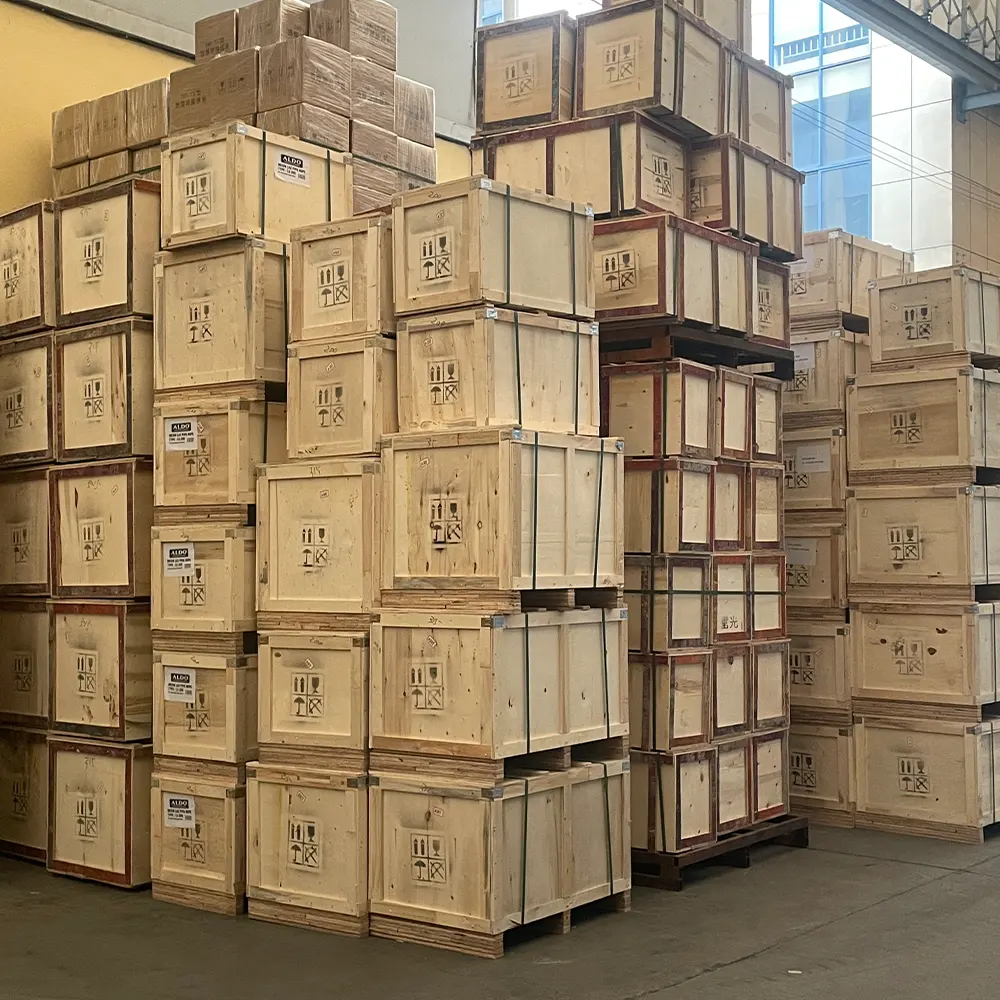
Even the best machine can become a problem if it arrives late. Construction schedules are often tight, and project delays can quickly increase labor and logistics costs. That is why inventory strength and delivery speed matter just as much as technical specifications.
Manufacturers with large stock levels can often respond faster to urgent orders. Fast shipping, organized logistics, and responsive support can be decisive, especially for distributors and contractors managing multiple project sites. Reliable global support also helps with installation, troubleshooting, and operational training after the machine arrives.
A smart purchase decision includes: product quality, spare parts availability, shipping speed, and technical support. Do not separate these factors from the machine itself.
9. Balance Budget with Long-Term Value
Price matters, but value matters more. A low-cost welding machine may seem attractive at first, but if it creates inconsistent welds, frequent maintenance, or operator frustration, the total cost will rise quickly. On the other hand, a well-built machine with durable components and strong support can provide much lower operating costs over time.
The best buying approach is to compare the machine’s expected service life, maintenance requirements, welding quality, and supplier reliability. Ask yourself whether the machine will still perform well after repeated use in the field. For many companies, spending a little more upfront is far cheaper than replacing equipment early or repairing faulty pipeline joints.
10. Why JQ-Fusion Is a Strong Option for Buyers
JQ-Fusion stands out because it combines manufacturing capability, product variety, customization, and global support. Its product range includes hydraulic butt fusion welding machines, automatic butt fusion welding machines, electrofusion welding machines, and multi-angle pipe fitting welding machines. This broad portfolio makes it easier for buyers to source equipment for different pipeline tasks from one supplier.
More importantly, the company emphasizes stable welding performance, strict quality assurance, fast delivery, and professional technical support. For contractors and distributors, these are practical advantages that help reduce project risk and improve customer satisfaction.
If you are looking for a partner rather than just a one-time seller, choosing a manufacturer with proven experience and flexible service can make a meaningful difference in your business success.
Best choice formula: select a machine that matches your pipe sizes, offers stable welding quality, comes from a trustworthy manufacturer, and includes dependable support after purchase.
Conclusion
Choosing the best butt fusion welding machine for sale requires more than comparing catalog specifications. You need to understand your pipeline application, define the correct pipe range, check the machine’s core performance, and evaluate the supplier’s experience and service capability. For professional projects, the right decision improves weld quality, reduces downtime, and helps your team work with greater confidence.
If your goal is long-term value, choose a manufacturer that offers stable performance, quality inspection, customization, and global support. That way, the machine becomes a reliable production tool rather than a short-term purchase.
Frequently Asked Questions
Q1: What is the most important factor when choosing a butt fusion welding machine?
Accuracy and stability are the most important factors. A machine must provide consistent heating, pressure control, and clamp alignment to produce strong welds.
Q2: Should I buy a manual, hydraulic, or CNC automatic machine?
It depends on your project scale. Manual machines suit smaller jobs, hydraulic machines fit medium to large applications, and CNC automatic machines are ideal for higher efficiency and standardized operation.
Q3: Why are certifications important?
Certifications help confirm that the equipment meets quality and safety expectations, especially for international pipeline projects.
Q4: Can I request customization for my market or project?
Yes. Many manufacturers offer OEM and ODM services, including voltage changes, branding, color options, and project-specific configurations.
Q5: How can I check whether a supplier is reliable?
Review their experience, production capability, quality testing, inventory level, delivery speed, and after-sales support before making a purchase.



