
The global demand for reliable HDPE pipe welding solutions continues to grow as municipalities, utilities, and industrial contractors prioritize durability, leak-free joints, and fast installation. Modern butt fusion machines deliver consistent, high-strength welds across a wide range of pipe diameters, making them essential equipment for water supply, gas distribution, mining, and industrial pipeline projects.
Why HDPE Butt Fusion Matters for Infrastructure
Butt fusion welding creates homogenous joints that match the mechanical properties of the pipe itself. This results in seamless, corrosion-free connections that stand up to pressure cycling, ground movement, and harsh environmental conditions. Contractors choose butt fusion over mechanical fittings and adhesives when long-term reliability and lower maintenance costs are priorities.
Machine Types and When to Use Them
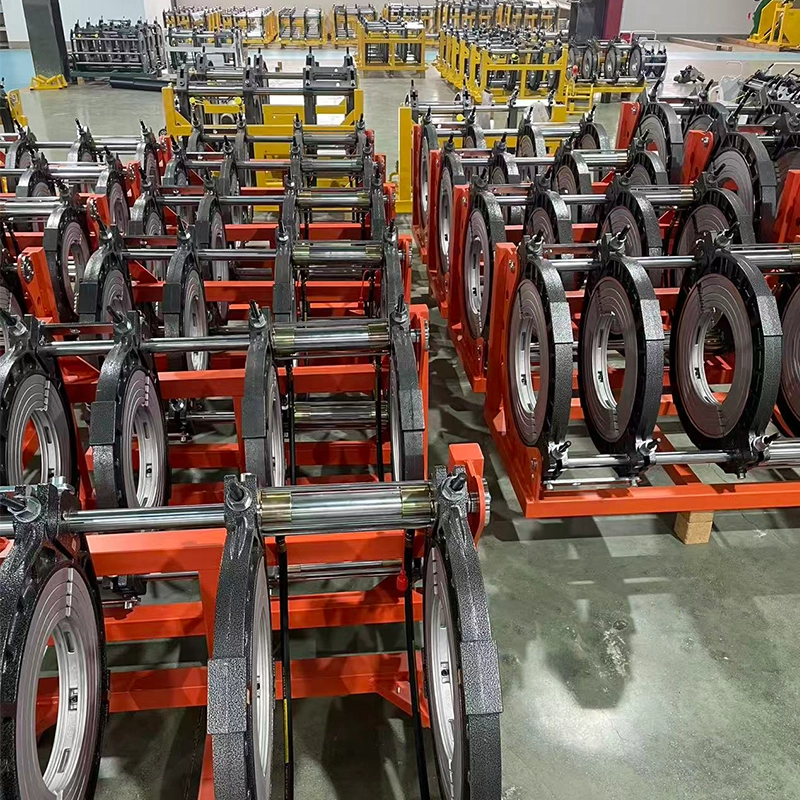
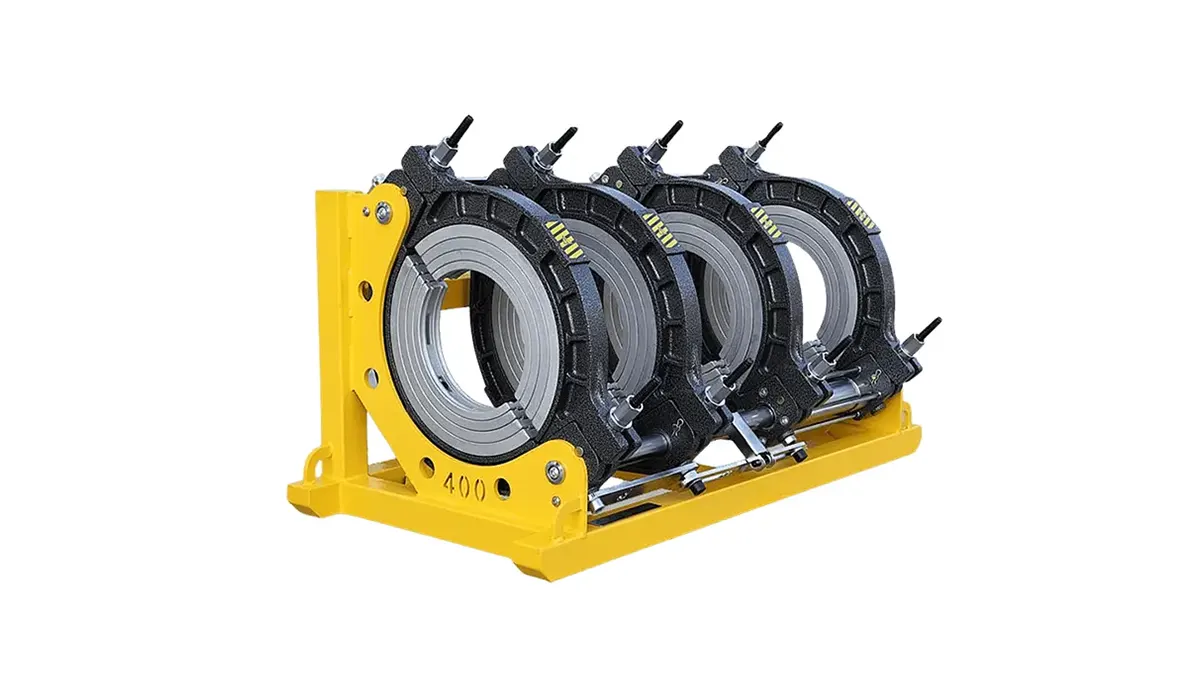
Manual machines are compact and ideal for small-diameter work and remote sites. Hydraulic units offer higher clamping force and ease of operation for medium to large pipes. For high-volume production or complex on-site requirements, automatic/CNC butt fusion machines provide programmable cycles, traceable weld logs, and reduced operator variability.
Common Applications
HDPE fusion machines are widely used in:
-
Municipal water and sewer systems
-
Natural gas distribution and transmission
-
Mining water and slurry pipelines
-
Industrial process lines and chemical handling
Key Performance Metrics to Compare
| Feature | Manual | Hydraulic | Automatic/CNC |
|---|---|---|---|
| Pipe Range | Small to medium | Medium to large | Small to very large |
| Operator Skill | High | Medium | Low to Medium |
| Cycle Control | Manual timing | Pressure-controlled | Programmable & logged |
| Typical Use Case | Field repairs, remote jobs | Medium/large pipelines | Long runs, factory, or critical projects |
Design and Quality Considerations
Look for machines built with robust frames, precision heaters, and accurate facing/trimming tools. Consistent heater plate temperature and secure clamping alignment are essential to avoid cold or over-fusion defects. Durable hydraulics, corrosion-resistant components, and easy-to-service parts minimize downtime on long projects.
Support, Training, and Spare Parts
Reliable after-sales support reduces project risk. Prioritize suppliers that offer operator training, clear operating manuals, on-site commissioning, and rapid access to spare parts and consumables (heater plates, cutting tools, seals). Traceable weld documentation and calibration services are valuable for projects with regulatory or quality assurance requirements.
How to Select the Right HDPE Fusion Machine
Assess pipe diameters, installation environment, production volume, and operator experience. For contractors performing occasional repairs, a portable manual or small hydraulic unit may be sufficient. For repeated large-diameter installs or industrial production lines, an automatic/CNC system provides better repeatability and data logging.
Logistics, Delivery, and Certification
Consider lead times, packaging for export, and available certifications (ISO, CE, or other regional approvals). Machines shipped with pre-calibrated controls and clear export documentation simplify customs clearance and reduce time-to-field deployment.
Company Snapshot
JQ-Fusion — https://jq-fusionwelding.com/ — is a professional manufacturer focusing on HDPE pipe welding machines, offering manual, hydraulic, and CNC automatic butt fusion solutions for a wide range of pipe sizes and infrastructure applications.
Frequently Asked Questions
Q: What maintenance is required for butt fusion machines?
A: Regular inspection of heater plates, hydraulic fluid checks, calibration of controllers, and replacement of worn seals and cutting blades keeps performance consistent.
Q: Can the same machine handle different pipe materials?
A: Butt fusion is optimized for HDPE and compatible polyethylene materials; adapters and specific settings may be needed for other thermoplastics.
Next Steps
Evaluate your project scope, required pipe diameters, and production targets. Request machine specifications, weld cycle data, and training offerings to ensure chosen equipment meets your schedule and quality standards.



