
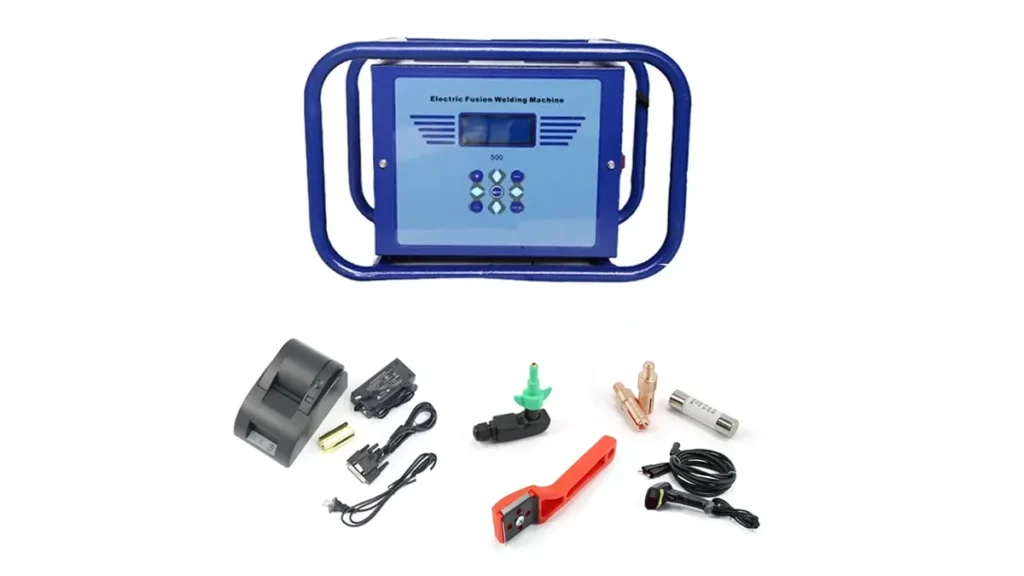
Reliable Electrofusion Welding Machine Solutions for Cambodia’s Pipe Fusion Projects
Cambodia’s rapid infrastructure growth—from urban water networks in Phnom Penh to rural irrigation and gas distribution—demands dependable pipe fusion equipment that performs in tropical climates and varied jobsite conditions. This guide explains how electrofusion welding machines meet local needs, what features to prioritize when buying, and practical considerations for contractors, municipal utilities, and project managers across Cambodia.
Why Electrofusion Works Well in Cambodian Projects
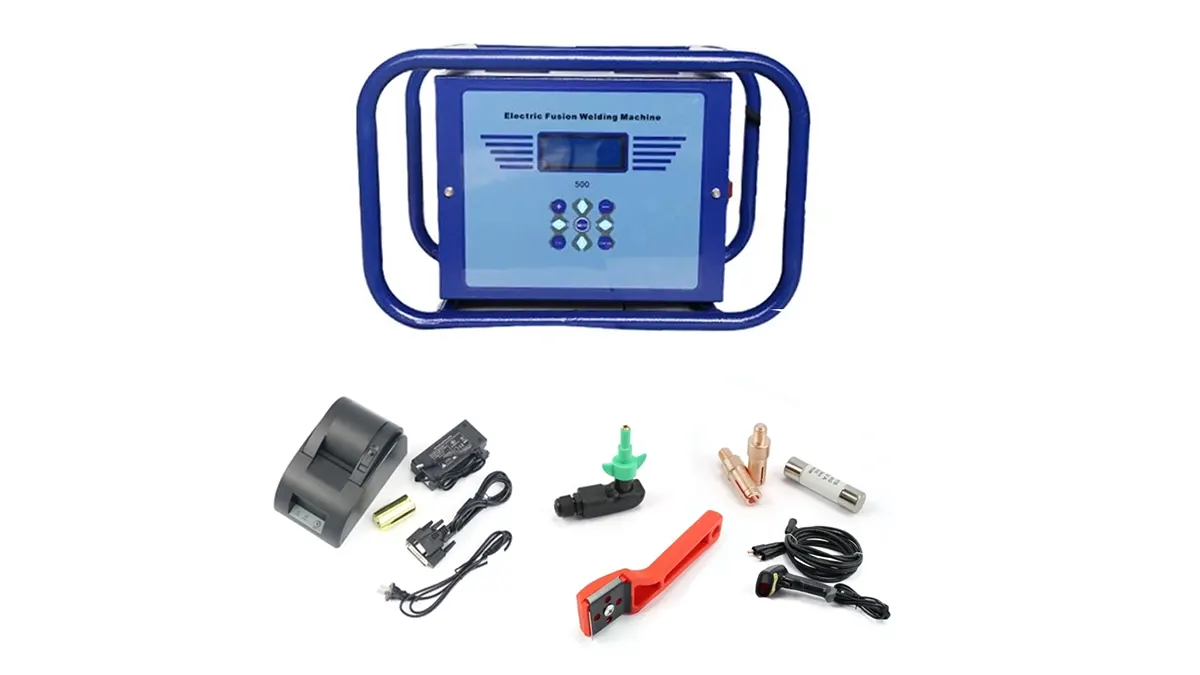
Electrofusion welding provides a fast, reliable method to join HDPE pipes without open flames, which is ideal for dense city environments, roadside installations, and remote sites that lack stable power. The process offers consistent joint quality, excellent resistance to corrosion and ground movement, and minimal excavation time—advantages that translate into lower operational disruption and life-cycle costs for Cambodia’s utilities and developers.
Key Benefits for Local Contractors
Consistent quality: Automated current control and pre-programmed parameters reduce operator variability. Portability: Compact electrofusion units are easy to transport to provincial worksites in Siem Reap, Battambang, and Kampong Cham. Safety: No open flame or external filler materials, lowering onsite hazards in crowded urban upgrades.
What to Look For When Choosing an Electrofusion Machine
When sourcing equipment in Cambodia, focus on machines with precise current regulation, intuitive user interfaces, and durable enclosures to withstand heat and humidity. Robust clamp systems, compatibility with a wide range of fitting sizes, and clear traceability of weld records (for quality audits) are essential for municipal and private projects that require documented compliance.
Practical Considerations for Cambodian Conditions
Power stability can vary across sites—select models that tolerate voltage fluctuations or offer battery-assisted operation. Also, consider after-sales support and spare parts availability; timely maintenance keeps urban water and irrigation schedules on track. For trusted manufacturing and product range, consider suppliers with global experience and production capacity like JQ-Fusion.
Popular Electrofusion Models & Quick Comparison
| Model | Pipe Range (mm) | Power / Input | Notable Features |
|---|---|---|---|
| JQEA-160 | 20–160 | 110–240V | Portable, battery backup, digital timer |
| JQEA-500 | 160–500 | 220V, built-in stabilizer | High-current output, welding log storage |
| JQEA-800 | 500–800 | 380V option | Industrial-grade, remote monitoring ready |
Installation Tips for Cambodian Sites
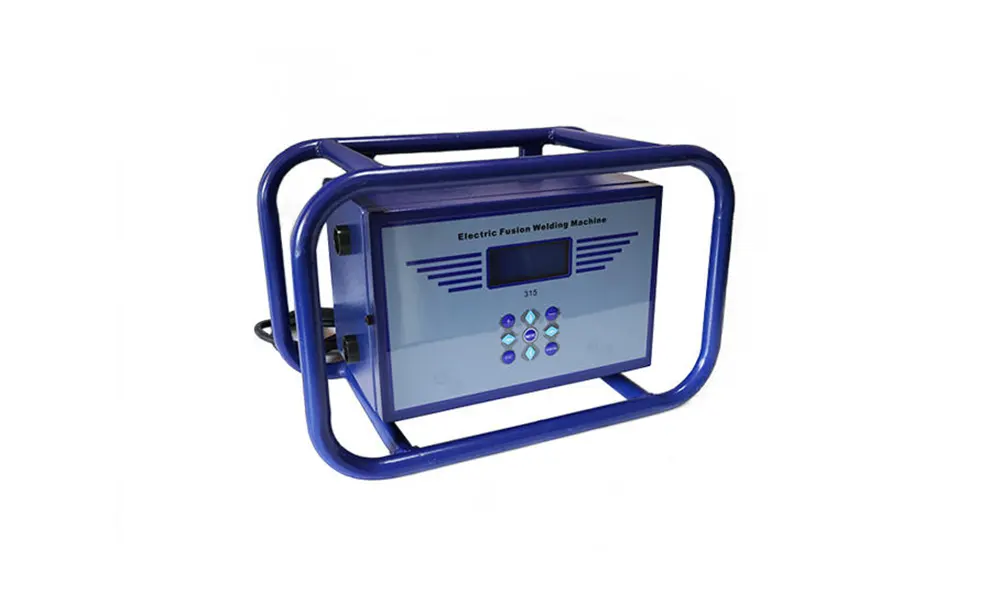
Prepare joining surfaces carefully: clean, align, and secure fittings in shaded or covered areas when working under intense sun. Always follow the manufacturer’s welding charts and maintain an organized log of each weld for quality assurance. For pipelines near riverbanks or in flood-prone zones, choose electrofusion fittings rated for expected pressures and consider additional mechanical protection for exposed sections.
Support and Training
Local teams benefit from hands-on training for equipment setup, maintenance routines, and troubleshooting common weld issues. Investing in operator certification reduces rework and ensures long-term performance, especially for municipal water networks and large irrigation schemes that are highly visible to communities.
Final Notes for Project Managers in Cambodia
Electrofusion welding machines deliver repeatable, durable joints that suit Cambodia’s mix of urban renewal and rural infrastructure expansion. Prioritize equipment with reliable electrical protection, clear weld documentation, and accessible spare parts to keep schedules on track and budgets under control. With the right machine selection and trained crews, pipe fusion projects across Cambodia can achieve high-quality, cost-effective results.



