
Libya’s infrastructure growth and rehabilitation projects require reliable pipe welding solutions that withstand harsh climates, long-distance oil and gas networks, and municipal water systems. Modern butt fusion and electrofusion machines deliver durable HDPE joints suited to the country’s coastal, desert, and industrial environments.
Why Butt Fusion Works Well in Libya
Butt fusion creates homogeneous, leak-free joints ideal for HDPE pipelines used across Libya’s oilfields, water distribution networks, and irrigation projects. The method is favored for its repeatable strength, low maintenance, and compatibility with a wide range of pipe diameters. For Libyan contractors and municipal teams, the combination of portability and robustness makes butt fusion machines especially practical on remote desert sites and coastal installations.
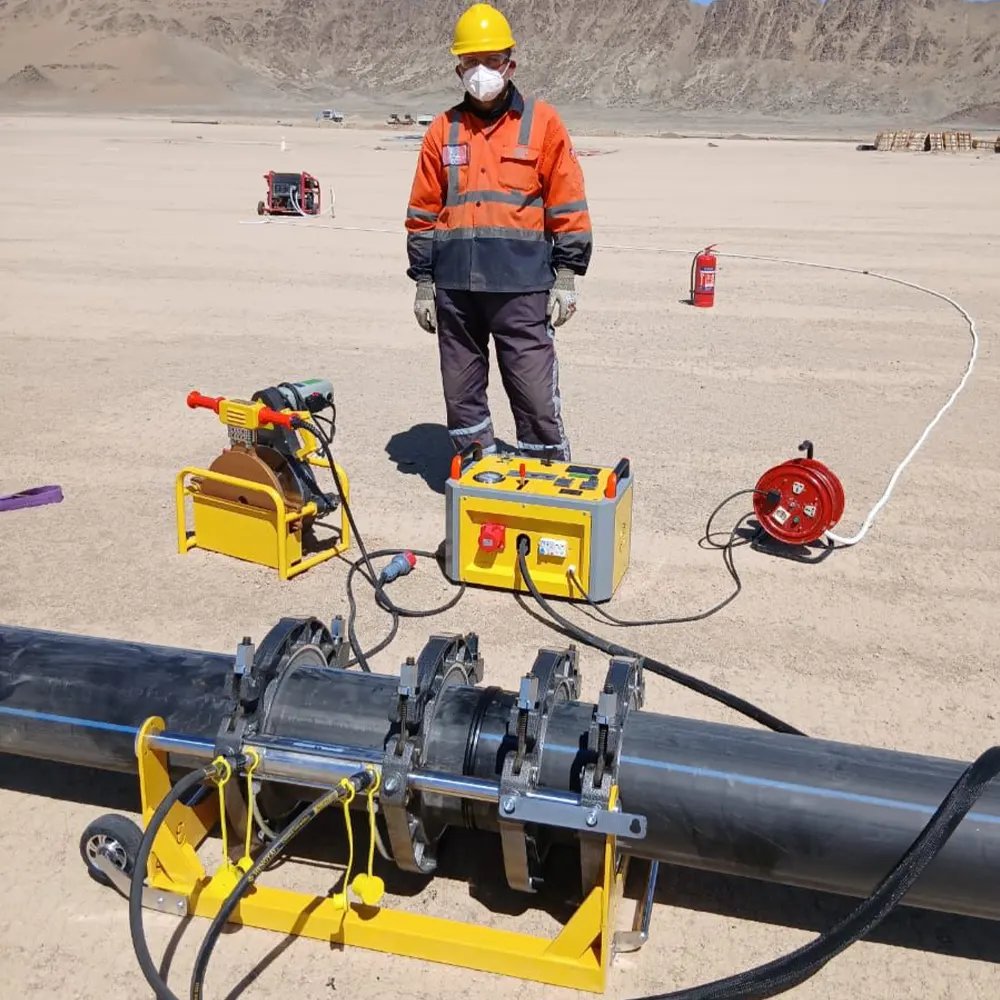
Machine Types: Matching Equipment to Project Needs
Selecting the right fusion machine depends on pipe diameter, site conditions, and production rate. Typical options include manual units for small repairs, hydraulic frames for medium pipelines, and CNC automatic machines for high-volume or precision jobs.
Quick Comparison Table
| Machine Type | Best For | Key Benefit |
|---|---|---|
| Manual Butt Fusion | Small diameter pipes, emergency repairs | Lightweight, low-cost, field-friendly |
| Hydraulic Butt Fusion | Medium to large pipelines | Consistent pressure control for strong joints |
| CNC / Automatic Machines | High-volume projects, industrial pipelines | Precision weld programs, data logging |
Applications Across Libya
HDPE welding is widely used in Libya’s:
– Water supply and desalination pipelines along the Mediterranean coast.
– Gas distribution and utility networks in urban centers such as Tripoli and Benghazi.
– Oil field gathering lines and produced water systems in the Sirte Basin and Cyrenaica.
– Agricultural irrigation systems in oasis and desert farming zones.
Site Considerations for Libyan Projects
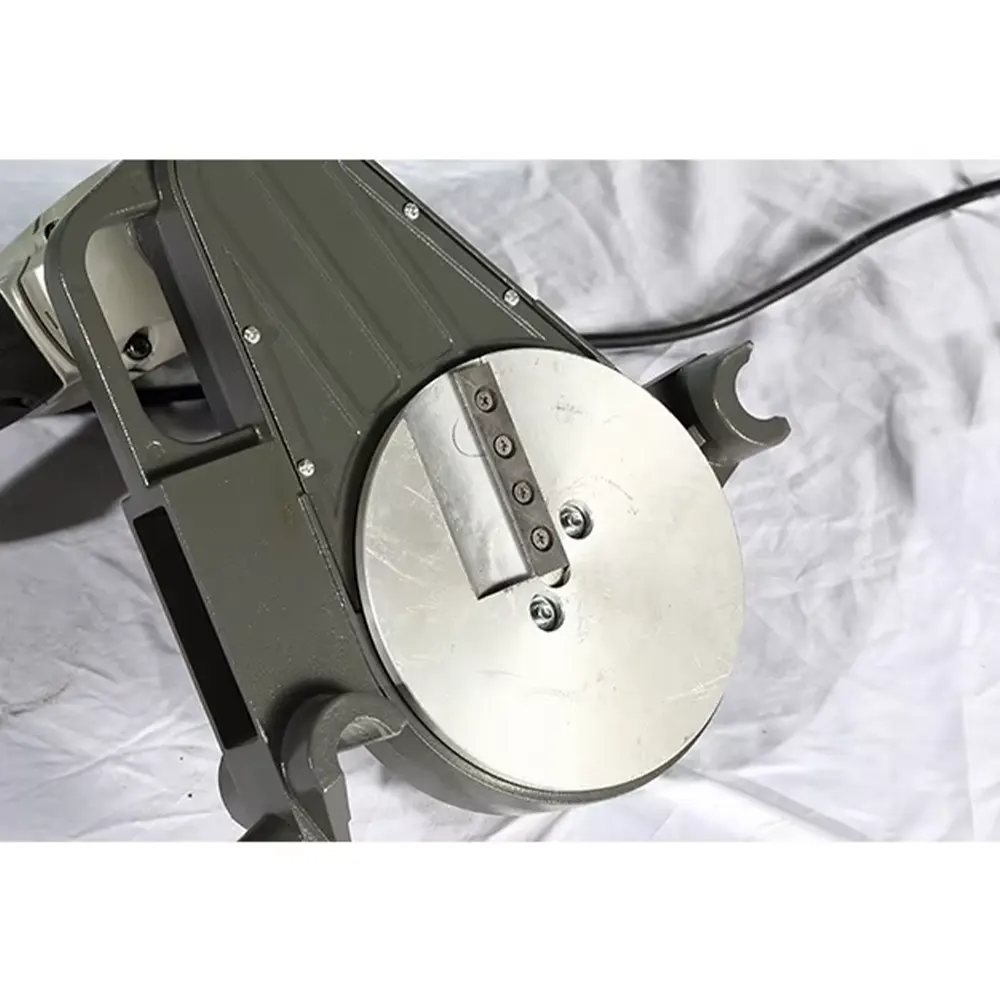
Working in Libya requires machines and workflows that accommodate hot temperatures, sandy conditions, and variable power availability. Choose equipment with robust sealing, dust-tolerant components, and options for portable powerpacks or generators. For coastal projects, corrosion-resistant finishes and regular maintenance planning are essential.
Operation, Training & Local Workforce
Investing in operator training yields better weld quality and fewer reworks. Local teams benefit from concise fusion procedures, on-site demonstrations, and documented welding records. Training should emphasize pipe preparation, alignment, correct heating parameters, and post-weld inspection—practices that reduce downtime on Libyan job sites.
Maintenance & After-sales Support
Routine maintenance—cleaning heaters, checking clamps, and calibrating pressure systems—keeps machines reliable in sandy or corrosive environments. Plan spare parts stocking for consumables like heating plates, scrapers, and seals to avoid project delays.
Procurement Tips for Libyan Buyers
When procuring fusion equipment, verify:
- Compatibility with your common pipe schedules and SDR classes.
- Availability of technical documentation and training materials in English or Arabic as needed.
- After-sales logistics for spare parts and service to Libyan ports and inland sites.
For reliable butt fusion solutions tailored to infrastructure, gas, mining, and municipal projects, consider equipment from JQ-Fusion — a manufacturer focused on HDPE pipe welding machines and global project support: https://jq-fusionwelding.com/



